
Persian cats are renowned for their luxurious, flowing coats and gentle dispositions. However, that iconic fur demands consistent care. Without proper grooming, their long hair can quickly mat, trap debris, and even lead to skin infections. Mastering the art of Persian cat grooming isn’t just about aesthetics—it’s a vital component of their overall health and comfort. A well-groomed Persian is not only more comfortable but also less prone to digestive issues from ingested fur and enjoys a stronger emotional bond with their caregiver.
The Importance of Daily Grooming
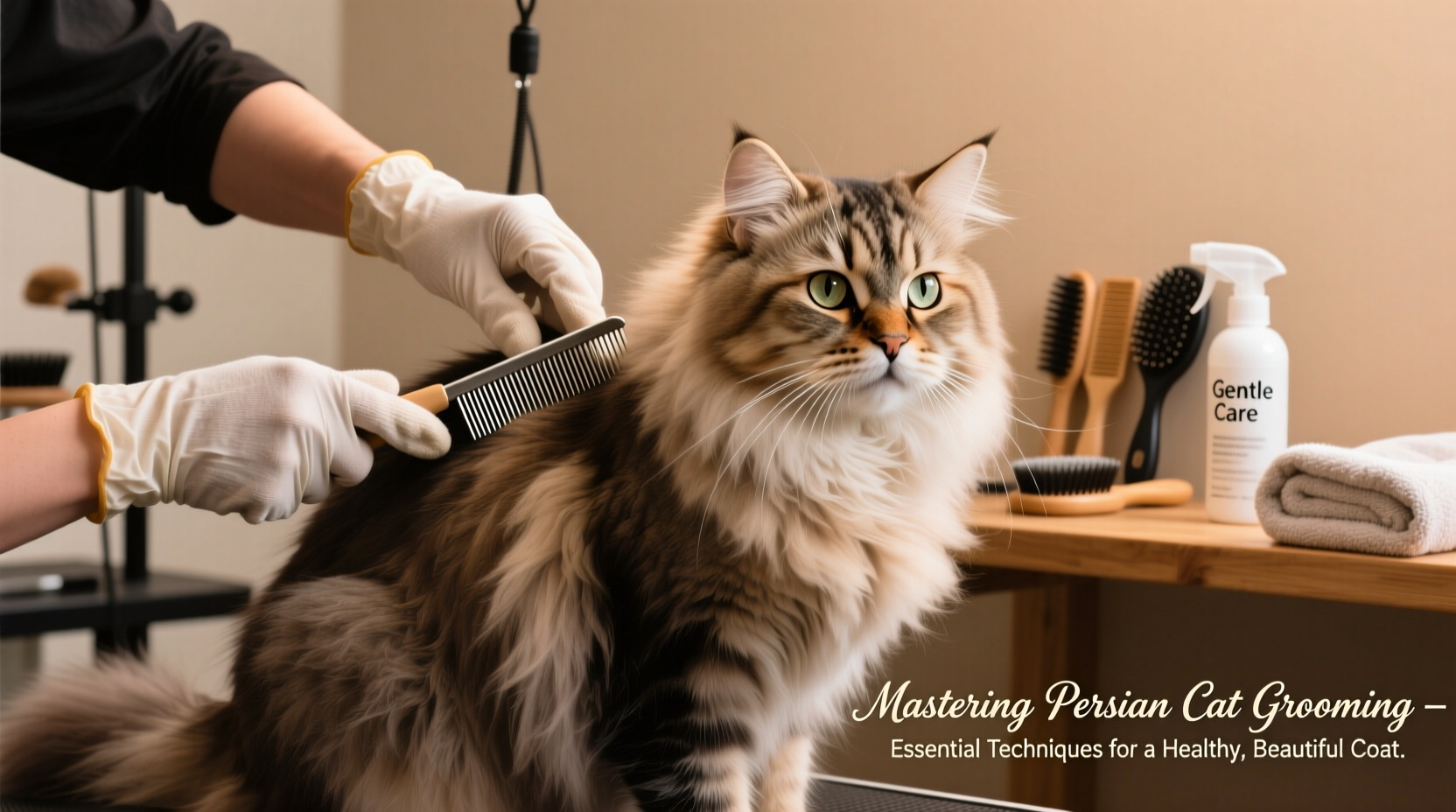
Persians have a double coat—dense undercoat and long outer guard hairs—that easily traps moisture, dirt, and loose fur. This makes them highly susceptible to matting, especially behind the ears, under the legs, and around the hindquarters. Mats pull on the skin, cause discomfort, and can harbor bacteria or parasites.
Daily brushing prevents these complications. It distributes natural skin oils along the coat, enhancing shine and reducing static. More importantly, it allows you to monitor skin condition, detect fleas early, and identify any lumps or irritations before they escalate.
Essential Tools for Effective Grooming
Using the right tools ensures efficiency and minimizes stress for both cat and owner. Invest in high-quality grooming instruments designed specifically for long-haired breeds.
- Slicker brush: Removes tangles and loose undercoat. Choose one with fine, bent wires to avoid scratching sensitive skin.
- Wide-tooth comb: Ideal for detangling thick areas like the ruff and tail. Start at the ends and work upward.
- Dematting tool: Use sparingly and carefully—only on small, superficial mats. Never cut through mats close to the skin.
- Stainless steel comb: Checks for remaining tangles after brushing and smooths the coat.
- Nail clippers: Regular trimming prevents overgrowth and accidental scratches during handling.
“Daily grooming is non-negotiable for Persian cats. It’s not vanity—it’s veterinary hygiene.” — Dr. Lena Patel, Feline Dermatology Specialist
Step-by-Step Grooming Routine
A structured routine ensures thoroughness and helps your cat adapt over time. Follow this sequence for optimal results:
- Begin with inspection: Check ears, eyes, paws, and skin for redness, discharge, or irritation.
- Brush the body: Use the slicker brush in the direction of hair growth, focusing on pressure-sensitive areas like the belly and armpits.
- Comb through: After brushing, go section by section with the wide-tooth comb, starting from the tail and moving forward.
- Tackle problem zones: Pay special attention to the back of the thighs, under the collar, and behind the ears where mats form most often.
- Trim if necessary: Use blunt-tipped scissors to carefully trim severe mats or soiled fur, especially near the rear end (“sanitary trim”).
- Check nails: Trim every 10–14 days, avoiding the pink quick inside the nail.
Grooming Do’s and Don’ts: A Quick Reference Table
| Do’s | Don’ts |
|---|---|
| Brush daily using appropriate tools | Wait until mats are large and tight |
| Use detangling sprays formulated for cats | Use human conditioners or shampoos |
| Trim nails regularly | Force a stressed cat to continue grooming |
| Bathe every 4–6 weeks with cat-safe shampoo | Over-bathe, which strips natural oils |
| Keep the anal area clean and trimmed | Shave the entire coat unless medically necessary |
Bathing Your Persian: When and How
Bathing is an important part of Persian grooming, particularly because their long fur can collect dust and oil. Most Persians benefit from a bath every 4–6 weeks. Use a mild, pH-balanced cat shampoo and lukewarm water. Ensure the room is warm to prevent chills.
Before bathing, thoroughly brush out all tangles—wet mats tighten and become impossible to remove. Wet the coat completely, lather gently, then rinse until water runs clear. Towel-dry thoroughly, then use a low-heat dryer (on cool setting) while brushing simultaneously to prevent tangles as the fur dries.
Never leave a Persian damp. Moisture trapped in the undercoat encourages fungal growth and mat formation. If your cat dislikes blow dryers, consider a chamois cloth for additional drying.
Real-Life Scenario: From Matted Mess to Show-Ready Shine
Sophia adopted a 3-year-old Persian named Luna from a shelter. Initially, Luna’s coat was severely matted, especially along her flanks and underbelly. The shelter staff had been unable to groom her due to resistance. Sophia started slowly—just five minutes of brushing each evening with a soft slicker brush and high-value treats. She used a detangling spray recommended by her vet.
After two weeks, she noticed fewer knots forming. By week six, Luna began to purr during sessions. Sophia introduced combing and eventually full-body brushing. Within three months, Luna’s coat was silky and tangle-free. Her vet noted improved skin health and reduced shedding around the house. What began as a chore became a cherished bonding ritual.
Common Challenges and Solutions
Even experienced owners face obstacles. Here’s how to handle frequent issues:
- Resistance to grooming: Desensitize gradually. Pair each session with affection and rewards.
- Excessive shedding: Increase brushing frequency and consider omega-3 supplements (after vet approval).
- Fur staining around eyes: Wipe daily with a soft, damp cloth. Persistent tear stains may require dietary changes or veterinary evaluation.
- Refusal to bathe: Use a sink or shallow tub with non-slip mat. Speak softly and move slowly. Some cats tolerate being wrapped in a towel during rinsing.
FAQ: Persian Cat Grooming Questions Answered
How often should I groom my Persian cat?
Daily brushing is essential. Full combing should be done every other day, and bathing every 4–6 weeks. Nail trims are needed every 10–14 days.
Can I shave my Persian to reduce grooming time?
Shaving is generally not recommended unless advised for medical reasons. The coat provides insulation and protection. Shaving improperly can damage hair follicles and alter regrowth texture.
Why does my Persian get so many mats despite brushing?
Mats often start in hidden areas like underarms or behind legs. Ensure you’re parting the fur and brushing down to the skin. Also, check if your tools are effective—dull combs or worn brushes won’t penetrate the undercoat.
Essential Grooming Checklist
Stay organized with this weekly grooming checklist:
- ✅ Brush entire coat daily (10–15 minutes)
- ✅ Inspect skin and coat for irritations or parasites
- ✅ Clean eyes with damp cloth (daily)
- ✅ Check ears and wipe gently if needed
- ✅ Comb through with stainless steel comb (every other day)
- ✅ Trim nails every 10–14 days
- ✅ Bathe and fully dry every 4–6 weeks
- ✅ Perform sanitary trim as needed
- ✅ Reward with treats and affection post-session
Conclusion: Grooming as an Act of Care
Grooming a Persian cat is not merely maintenance—it’s an ongoing act of love and responsibility. With patience, consistency, and the right techniques, you can keep your cat’s coat radiant, their skin healthy, and their spirit content. The time spent brushing is also time spent bonding, observing, and understanding your cat on a deeper level.




 浙公网安备
33010002000092号
浙公网安备
33010002000092号 浙B2-20120091-4
Comments
No comments yet. Why don't you start the discussion?