
Pillowcases are more than just bedroom accessories—they’re intimate textiles that touch your skin every night. When they’re made from plush, patterned fabrics, their role expands beyond function to include aesthetic pleasure and sensory comfort. However, maintaining the luxurious softness and vivid designs of these delicate materials requires more than routine laundering. Many people unknowingly damage their pillowcases through improper washing, drying, or storage, leading to faded prints, pilling, and reduced lifespan. Understanding the science and art of textile care ensures your plush pillowcases remain as vibrant and silky as the day you bought them.
The Unique Challenges of Plush Patterned Pillowcases
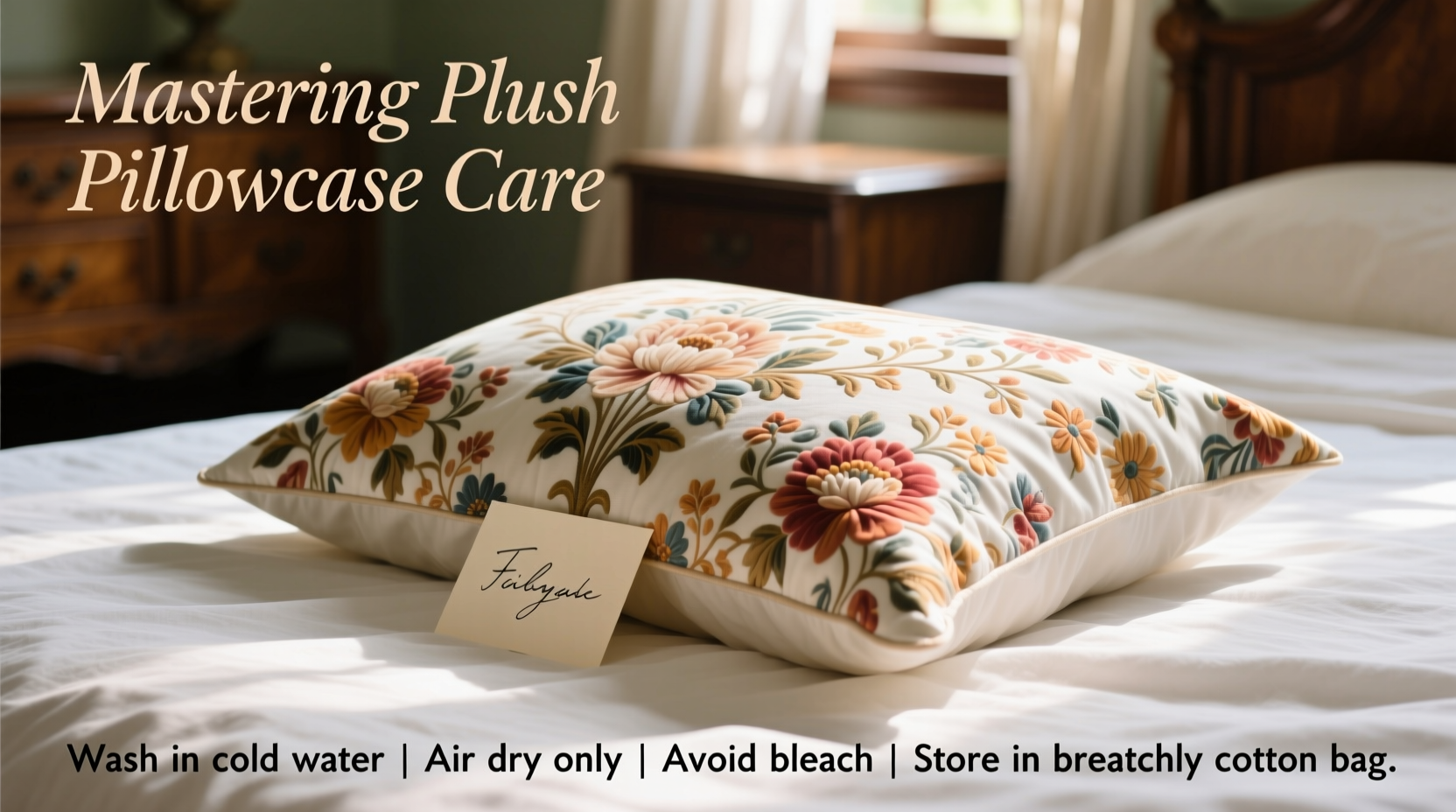
Plush pillowcases—typically crafted from microfiber, silk-blend knits, or high-thread-count cotton sateen—are designed for supreme softness and visual appeal. Their textured surfaces trap moisture and oils more readily than flat weaves, while intricate patterns often rely on dye-sublimation or reactive printing techniques that can degrade under harsh conditions. Exposure to UV light, friction from tossing and turning, and chemical interactions with detergents all contribute to premature wear.
Unlike solid-colored linens, patterned plush cases reveal fading and inconsistencies more visibly. A slight shift in hue or a small area of fiber breakdown disrupts the design’s continuity, making imperfections glaring. This makes tailored care not just about longevity but also about preserving beauty and cohesion in your bedding ensemble.
“Patterned plush fabrics combine aesthetics and tactile experience. To keep both intact, you need a regimen that respects the chemistry of dyes and the physics of fiber structure.” — Dr. Lena Torres, Textile Scientist at the Institute for Home Fabric Innovation
Washing Techniques That Preserve Softness and Color
How you wash your pillowcases determines 70% of their long-term condition. Aggressive cycles, incorrect water temperatures, and unsuitable detergents strip natural oils, break down fibers, and leach color pigments. The goal is gentle yet effective cleaning that removes sweat, oils, and bacteria without compromising fabric integrity.
Step-by-Step Washing Guide
- Sort by color and material: Separate darks, lights, and delicates. Never mix plush cases with towels or jeans.
- Use cold water (below 30°C / 86°F): Heat accelerates dye degradation and causes synthetic fibers to stiffen.
- Select a mild, pH-neutral detergent: Avoid bleach, optical brighteners, and enzymes that attack dyes and weaken fibers.
- Choose the delicate cycle: Reduces agitation and prevents pilling and fraying.
- Add a cup of white vinegar (optional): Helps set colors and remove residue without damaging softness.
- Wash with like items only: Use mesh laundry bags for extra protection if washing multiple pieces.
Drying and Ironing Without Damage
Air-drying is the gold standard for plush pillowcases. Tumble drying—even on low heat—can cause shrinkage, melt synthetic fibers, and distort patterns. If you must use a dryer, follow strict protocols to minimize harm.
| Action | Recommended Method | What to Avoid |
|---|---|---|
| Drying | Lay flat on a clean towel away from direct sunlight | Tumble drying, hanging vertically (stretches fabric) |
| Ironing | Low heat with pressing cloth; steam only if fabric allows | Direct high heat, dry ironing on printed areas |
| Folding | Neatly fold along seams; store in breathable cotton bag | Storing damp, folding tightly causing crease lines |
When ironing, always test on an inconspicuous seam first. Silk-blend and microfiber materials can scorch instantly under high heat. For stubborn wrinkles, hang the pillowcase in a steamy bathroom after showering—the indirect moisture relaxes fibers safely.
Storage Strategies for Long-Term Vibrancy
Even when not in use, pillowcases degrade if stored improperly. Light exposure fades dyes over time, while plastic bins trap moisture and encourage mildew. Mothballs and scented sachets may seem helpful but often contain chemicals that react with fabric coatings.
Best Practices for Storage
- Store in a cool, dark drawer or linen closet lined with acid-free paper.
- Use cotton storage bags instead of plastic to allow airflow.
- Place tissue paper between folds to prevent color transfer and creasing.
- Keep away from perfumes, lotions, or essential oil diffusers—volatile compounds can stain or dull finishes.
Real Example: How One Household Extended Pillowcase Life by 3 Years
The Rivera family purchased a set of premium embroidered sateen pillowcases for their master bedroom. After one year, two cases showed significant fading and surface pilling. They consulted a local textile conservator who reviewed their laundry habits. The issue? They were using a “color-safe” detergent with citrus extracts and drying the cases on medium heat.
After switching to a fragrance-free detergent, washing in cold water on delicate mode, and air-drying flat, the remaining pillowcases retained their luster. By adding vinegar rinses monthly and storing them folded in muslin wraps, they extended the set’s usable life to nearly four years—well beyond the manufacturer’s estimated lifespan. The conservator noted that consistent, informed care had prevented further deterioration despite nightly use.
Expert Checklist: Monthly Pillowcase Care Routine
To maintain peak condition, integrate this checklist into your home maintenance schedule:
- Inspect each pillowcase for stains, thinning, or loose threads.
- Pre-treat any spots with a drop of diluted enzyme-free cleaner.
- Wash using cold water, gentle cycle, and mild detergent.
- Rinse with distilled white vinegar (½ cup) to restore pH balance.
- Air-dry flat, reshaping corners gently.
- Once dry, lightly press with a cool iron if needed.
- Fold neatly and return to breathable storage.
Frequently Asked Questions
Can I use fabric softener on plush pillowcases?
No. Fabric softeners coat fibers with silicone residues that reduce absorbency, trap odors, and dull printed patterns over time. Instead, use a vinegar rinse to naturally soften the fabric.
How often should I replace my pillowcases?
With proper care, high-quality plush pillowcases last 2–4 years. Replace them if you notice persistent discoloration, thinning fabric, or an inability to remove body oil stains—even after deep cleaning.
Are patterned pillowcases safe to bleach?
Never use chlorine or oxygen bleach on patterned plush fabrics. Bleach breaks down dyes and weakens fibers, leading to holes and color loss. Stick to non-alkaline stain removers and avoid spot treatments with undiluted products.
Final Thoughts: Elevate Your Bedding Care Like a Pro
Caring for plush, patterned pillowcases isn’t about perfection—it’s about consistency and awareness. Every choice, from detergent selection to how you fold the fabric, contributes to its lifespan and sensory quality. These textiles enhance sleep, support skin health, and reflect personal style. Treating them with intention honors both craftsmanship and comfort.
Start today by reviewing your current laundry practices. Make one change—perhaps switching to cold water or ditching fabric softener—and build from there. Small adjustments compound into remarkable results over time. Your pillowcases will stay softer, brighter, and more luxurious, night after night.




 浙公网安备
33010002000092号
浙公网安备
33010002000092号 浙B2-20120091-4
Comments
No comments yet. Why don't you start the discussion?