
Pocket watches are more than timekeeping tools—they are symbols of elegance, precision, and personal style. Once a staple of gentlemen’s attire, they’ve experienced a renaissance among modern fashion enthusiasts who appreciate craftsmanship and tradition. Yet owning a pocket watch is only half the story. Wearing it correctly—and confidently—elevates your presence and honors the heritage behind this timeless accessory.
Whether you’ve inherited a vintage heirloom or invested in a contemporary model, knowing how to integrate it seamlessly into your wardrobe is essential. From selecting the right chain to mastering the mechanics of retrieval, every detail contributes to the overall impression. This guide walks you through the nuances of wearing a pocket watch with poise, offering actionable advice for both beginners and seasoned collectors.
Selecting the Right Pocket Watch and Chain
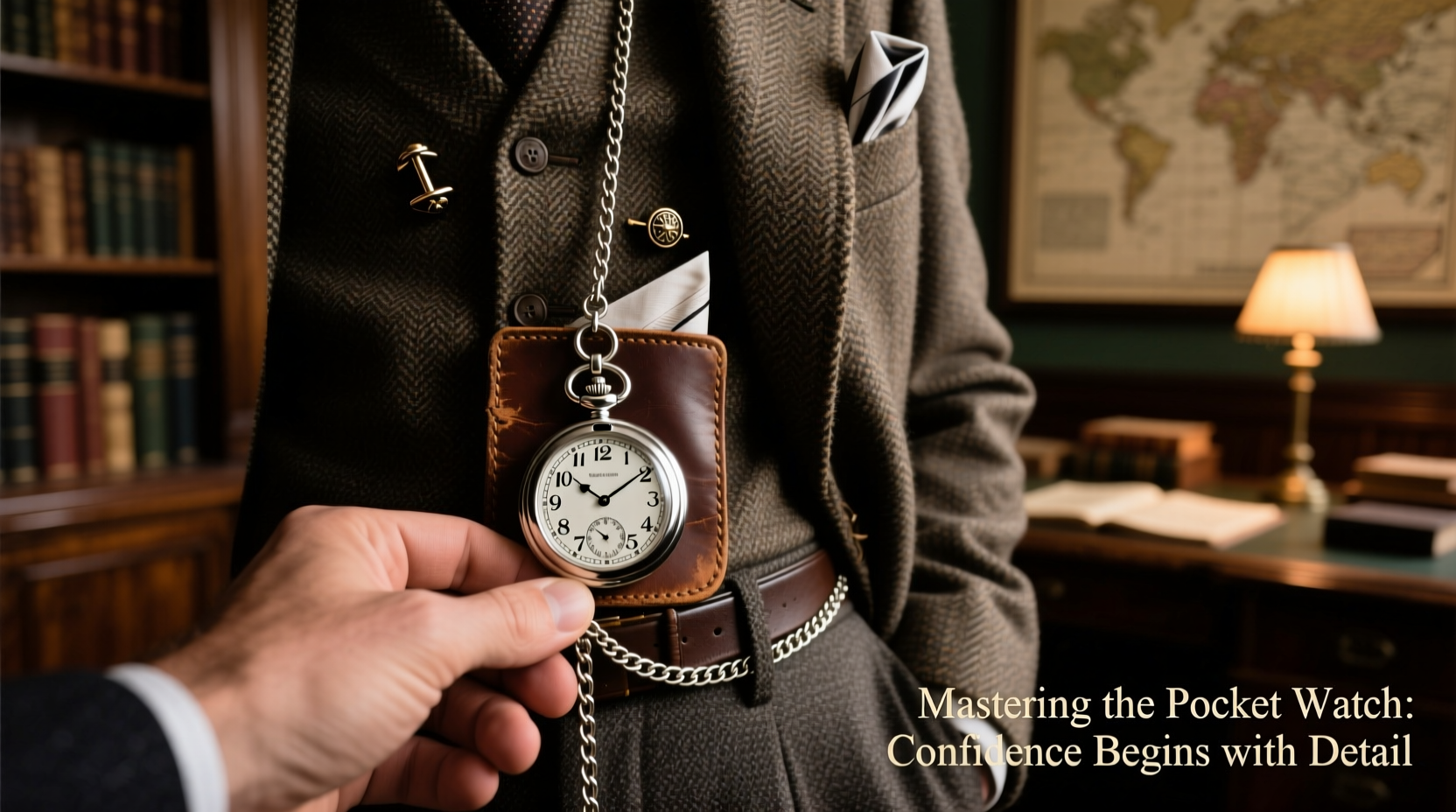
The foundation of a well-worn pocket watch lies in thoughtful selection. A mismatched chain or an ill-suited case can undermine even the most refined outfit. Begin by considering the watch’s purpose: Is it primarily decorative, or do you intend to use it daily? Mechanical models require winding and offer a tactile experience, while quartz versions prioritize accuracy with minimal upkeep.
The chain plays a dual role—it secures the watch and enhances visual balance. Common types include:
- Albert Chain: Features a T-bar that fastens through a buttonhole, with a secondary fob often used for keys or seals.
- Barnacle Chain: Clips directly onto a waistcoat button, ideal for those who prefer not to alter their garments.
- Double Albert: Symmetrical design with drop chains on both ends, one for the watch and another for a secondary charm or fob.
- Swivel Chain: Allows smooth rotation, reducing kinks and making retrieval easier.
How to Wear a Pocket Watch: Step-by-Step Guide
Wearing a pocket watch isn’t just about placing it in your pocket—it’s a deliberate process that reflects attention to detail. Follow these steps to ensure proper placement and ease of access.
- Choose the correct pocket: The primary location is the inner breast pocket of a waistcoat or suit jacket. For side carry, use the left-hand trouser pocket with a vest-style chain looped over the belt.
- Thread the chain: Pass the T-bar or spring ring through the designated buttonhole or loop. Ensure it’s secure but not overly tight.
- Position the watch: Let the watch rest vertically in the pocket, face inward toward your body to protect the crystal.
- Attach the fob (if applicable): Keep it short and functional—long dangling fobs can snag or appear ostentatious.
- Test accessibility: Gently pull the chain to bring the watch halfway out. It should emerge smoothly without resistance.
Avoid overloading the pocket with additional items, as this can distort the fabric and damage the mechanism. The goal is effortless elegance—retrieving your watch should feel natural, not cumbersome.
Styling Tips for Different Occasions
A pocket watch adapts beautifully across settings when styled appropriately. Consider these guidelines based on context:
| Occasion | Recommended Style | Chain Type | Watch Finish |
|---|---|---|---|
| Formal Events | Waistcoat with single-button closure | Albert or Double Albert | Polished silver or gold |
| Business Attire | Suit with vest or jacket inner pocket | Swivel or Barnacle | Brushed stainless steel |
| Casual Wear | Fob-only setup with jeans and blazer | Leather strap or simple chain | Vintage brass or oxidized finish |
| Weddings & Ceremonies | Three-piece suit with engraved fob | Double Albert with monogrammed charm | Antique gold with floral engraving |
“Wearing a pocket watch is an act of intentionality. It signals that you value tradition, precision, and the passage of time.” — Julian Hartwell, Horology Historian and Curator at The British Watch Museum
Maintenance and Etiquette
Preserving your pocket watch ensures longevity and maintains its aesthetic appeal. Regular care prevents tarnishing, mechanical wear, and accidental loss.
After handling, wipe the case and chain lightly with a microfiber cloth to remove oils and moisture. Store the watch in a soft pouch away from magnets and extreme temperatures. If not worn regularly, wind it once a month to keep the movement active.
Etiquette matters just as much as appearance. Avoid checking your watch mid-conversation—it can signal impatience. Instead, glance discreetly when necessary. When showing off your timepiece, let it be part of a broader discussion about craftsmanship rather than mere status.
Mini Case Study: James’ Wedding Day Accessory Choice
James, a groom passionate about classic tailoring, chose a 1920s Art Deco pocket watch passed down from his grandfather for his wedding. He paired it with a custom three-piece navy suit and a white rose boutonniere. Using a double Albert chain with a small engraved fob bearing his initials, he secured the watch to his waistcoat’s third buttonhole.
Throughout the ceremony and reception, guests noticed the subtle glint of gold against his vest. Several commented on its sentimental value and timeless design. By integrating the watch thoughtfully—not flashing it, but allowing it to be discovered—James honored family history while enhancing his personal style.
Common Mistakes to Avoid
Even seasoned wearers occasionally misstep. Here are frequent errors and how to prevent them:
- Using a chain too long or too short: An excessively long chain creates sag; too short restricts movement. Ideal length allows the watch to sit flat in the pocket with slight slack.
- Ignoring clothing fit: A poorly fitted waistcoat distorts pocket alignment, making retrieval awkward.
- Pairing with incompatible styles: Don’t wear a highly ornate Victorian-era watch with athleisure. Match era and formality.
- Forgetting security: Always ensure the chain’s clasp is fully engaged. Losing a cherished piece is avoidable with vigilance.
FAQ
Can I wear a pocket watch with any suit?
Yes, but consider proportion and style. Slim-fit suits work best with minimalist chains, while classic cuts accommodate bolder designs. Ensure the pocket is structured enough to hold the watch upright.
Should the watch face be visible in the pocket?
No. The watch should remain concealed until retrieved. A partially exposed face looks disheveled and risks scratches.
Is it appropriate to wear a pocket watch in casual settings?
Absolutely. Paired with a blazer and jeans or a tweed jacket, a vintage-style pocket watch adds character. Opt for simpler chains and rugged finishes like oxidized brass.
Checklist: Wearing Your Pocket Watch Confidently
- ✅ Choose a watch and chain that match your outfit’s formality
- ✅ Secure the chain through a buttonhole or belt loop
- ✅ Position the watch vertically in the pocket, face inward
- ✅ Test smooth retrieval before leaving home
- ✅ Maintain discretion when checking the time
- ✅ Clean and wind regularly to preserve function and shine
Conclusion
Mastering pocket watch style is not about nostalgia—it’s about bringing intention and refinement into everyday life. With the right choice of timepiece, a well-fitted chain, and mindful habits, you project quiet confidence and appreciation for enduring craftsmanship. Whether marking milestones or simply elevating your daily attire, the pocket watch remains a powerful symbol of self-assured elegance.




 浙公网安备
33010002000092号
浙公网安备
33010002000092号 浙B2-20120091-4
Comments
No comments yet. Why don't you start the discussion?