
Puff pastry is one of the most elegant and versatile ingredients in both sweet and savory baking. With its signature layers of crisp, buttery flakes, it elevates everything from tarts to turnovers. Yet, many home bakers approach it with hesitation, fearing dryness, sogginess, or collapse. The truth is, success with puff pastry isn’t magic—it’s method. Whether you're using store-bought sheets or working with homemade dough, mastering a few key principles ensures flawless results every time.
Understanding Puff Pastry: What Makes It Rise
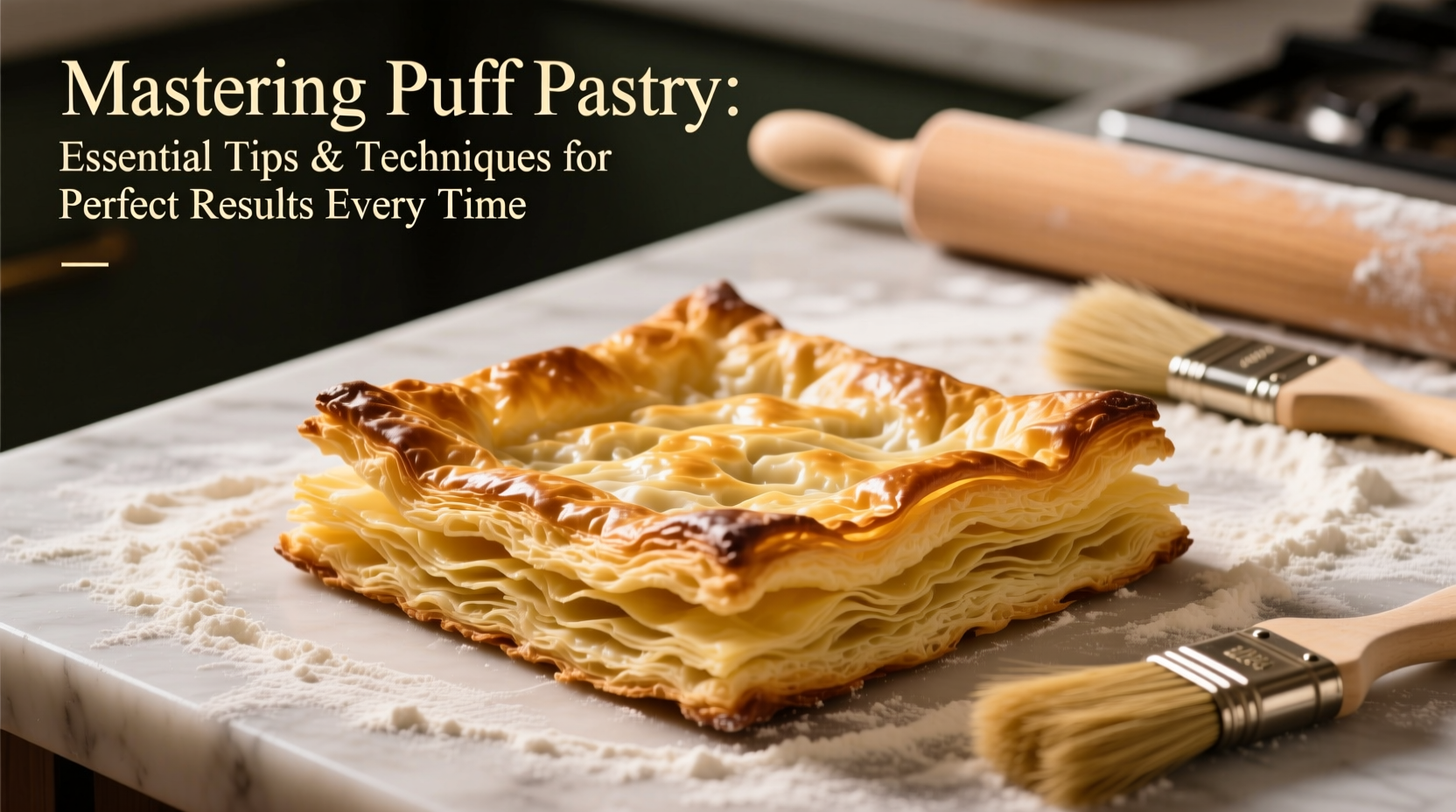
Puff pastry achieves its dramatic lift through a precise structure of alternating layers of dough and butter. When exposed to heat, the water in the butter turns to steam, forcing the layers apart. This process, known as lamination, creates hundreds of delicate strata that expand vertically rather than spread outward. The result? A golden, airy texture that shatters with each bite.
Store-bought puff pastry has made this technique accessible without requiring hours of folding and chilling. However, even with convenience comes responsibility: improper handling can ruin its potential. Temperature control, timing, and preparation are non-negotiable factors in achieving perfection.
The Right Way to Thaw and Handle Frozen Puff Pastry
Most home bakers rely on frozen puff pastry sheets for convenience. But how you thaw them makes all the difference.
Never leave puff pastry at room temperature to defrost. Doing so causes uneven melting of the butter, compromising layer integrity. Instead, transfer the pastry from the freezer to the refrigerator 24 hours before use. This slow thaw preserves the cold fat within the dough.
Once chilled and pliable (but still cool to the touch), unwrap it carefully. If the sheet has creases or folds, gently smooth them with your fingertips—avoid rolling unless necessary, as overworking can lead to toughness.
“Puff pastry is like a coiled spring. Keep it cold until the moment it hits the oven, and you’ll be rewarded with maximum expansion.” — Jacques Laurent, Pastry Chef & Instructor
Essential Techniques for Flawless Results
Success lies not just in the dough, but in execution. These foundational techniques separate good results from exceptional ones.
1. Preheat Your Oven Thoroughly
A hot oven is critical. Puff pastry requires an initial burst of high heat—typically between 400°F and 425°F (200°C–220°C)—to generate enough steam for lift. If the oven isn't fully preheated, the butter melts before steam forms, resulting in flat, dense pastries.
2. Use Baking Tools Strategically
Line your baking sheet with parchment paper or a silicone mat. This prevents sticking without adding extra fat, which could interfere with browning. For extra crispness, especially on the bottom, bake on a preheated baking sheet or pizza stone.
3. Docking vs. Blind Baking
If you’re baking a flat sheet (for a tart base or cheese straws), dock it by pricking the surface lightly with a fork. This releases steam pockets that might cause uneven puffing. For filled applications like pot pies, blind baking (pre-baking with weights) may be needed to prevent sogginess.
4. Egg Wash for Shine and Structure
A light egg wash—1 egg beaten with 1 tsp water or milk—applied evenly before baking enhances browning and adds a professional sheen. Avoid getting wash on the cut edges, as it can seal layers and inhibit rise.
| Step | Do | Don’t |
|---|---|---|
| Thawing | Refrigerate overnight | Defrost on counter |
| Cutting | Use sharp knife or pizza cutter | Saw back and forth |
| Baking | Preheat oven; avoid opening door early | Open oven during first 15 minutes |
| Storage | Wrap tightly and freeze unused portions | Leave exposed to air |
Step-by-Step Guide: Baking a Perfect Puff Pastry Sheet
Follow this sequence for consistently excellent results, whether making a simple cheese twist or a layered dessert base.
- Thaw overnight: Place frozen pastry in the refrigerator for 8–24 hours.
- Prepare workspace: Lightly flour a cool surface. Use minimal flour to avoid drying the dough.
- Unwrap gently: Peel back plastic slowly to avoid tearing.
- Shape carefully: Trim or roll only as needed. Cut with a sharp blade in one motion.
- Chill again (optional): If the pastry warmed during shaping, refrigerate for 15–20 minutes before baking.
- Apply egg wash: Brush surface lightly, avoiding edges.
- Score if needed: For decorative items, lightly score patterns without cutting through.
- Bake immediately: Place in fully preheated oven. Do not delay.
- Resist peeking: Keep oven closed for the first 20 minutes to maintain steam pressure.
- Cool properly: Transfer to a wire rack after baking to prevent moisture buildup.
Real Example: From Soggy Failure to Crisp Success
Sarah, a home baker in Portland, struggled for months with her apple turnovers. Despite following recipes, they emerged flat and greasy. She realized she was thawing the pastry on the kitchen counter while prepping filling—by the time she assembled them, the butter had already started to melt. After switching to overnight fridge thawing and chilling the shaped turnovers for 20 minutes before baking, her results transformed. The next batch puffed dramatically, with defined layers and a crisp shell that held the filling perfectly. Her secret? Patience and temperature discipline.
Frequently Asked Questions
Can I refreeze puff pastry once it’s been thawed?
No. Once puff pastry has been fully thawed, refreezing damages the structure and leads to poor rise and texture. Only thaw what you plan to use. If you’ve opened a package and used half, wrap the remainder tightly in plastic and freeze within 30 minutes of thawing—but expect slightly reduced performance.
Why did my puff pastry shrink in the oven?
Shrinkage usually occurs when the dough was stretched during shaping. Always handle gently and avoid pulling. Let it rest briefly after cutting to relax the gluten before baking.
How do I prevent a soggy bottom when adding wet fillings?
Apply a thin barrier such as apricot jam, melted chocolate, or a dusting of ground nuts to the base before adding fruit or custard. Alternatively, pre-bake the base (blind bake) for 10–12 minutes before filling.
Checklist for Puff Pastry Success
- ✅ Thaw pastry in the refrigerator overnight
- ✅ Work on a cool surface with minimal handling
- ✅ Use sharp tools for clean cuts
- ✅ Keep dough cold until baking
- ✅ Preheat oven to correct temperature
- ✅ Avoid opening oven door during first 15–20 minutes
- ✅ Apply egg wash evenly for color and shine
- ✅ Cool baked goods on a wire rack
- ✅ Store leftovers in an airtight container (re-crisp in oven if needed)
Conclusion: Elevate Your Baking with Confidence
Mastering puff pastry sheets is less about precision and more about respect—for the science of lamination, the role of temperature, and the rhythm of timing. With these techniques, anyone can produce bakery-quality results at home. From savory pinwheels to elegant fruit tarts, the possibilities are limited only by imagination. Now that you understand the essentials, it’s time to experiment, refine, and enjoy the flaky rewards of your effort.




 浙公网安备
33010002000092号
浙公网安备
33010002000092号 浙B2-20120091-4
Comments
No comments yet. Why don't you start the discussion?