
In an era where fashion cycles spin faster than ever, the resurgence of retro aesthetics offers a refreshing counterpoint. Two-piece sets—once staples of mid-century wardrobes—are making a powerful comeback, not as costume pieces, but as wearable, stylish expressions of individuality. The key lies in balancing vintage charm with contemporary sensibility. Done right, a coordinated set can elevate your presence with minimal effort, blending nostalgia with now.
The appeal of two-piece ensembles—from 1940s day suits to 1970s knit co-ords—is their inherent cohesion. They eliminate guesswork in pairing colors and textures while offering structure and polish. But mastering retro style isn’t about imitation; it’s about reinterpretation. It’s knowing how to wear a polka-dot playsuit without looking costumed or how to pair wide-leg trousers with a cropped jacket without sacrificing comfort for authenticity.
Understanding the Anatomy of Vintage Two-Piece Sets
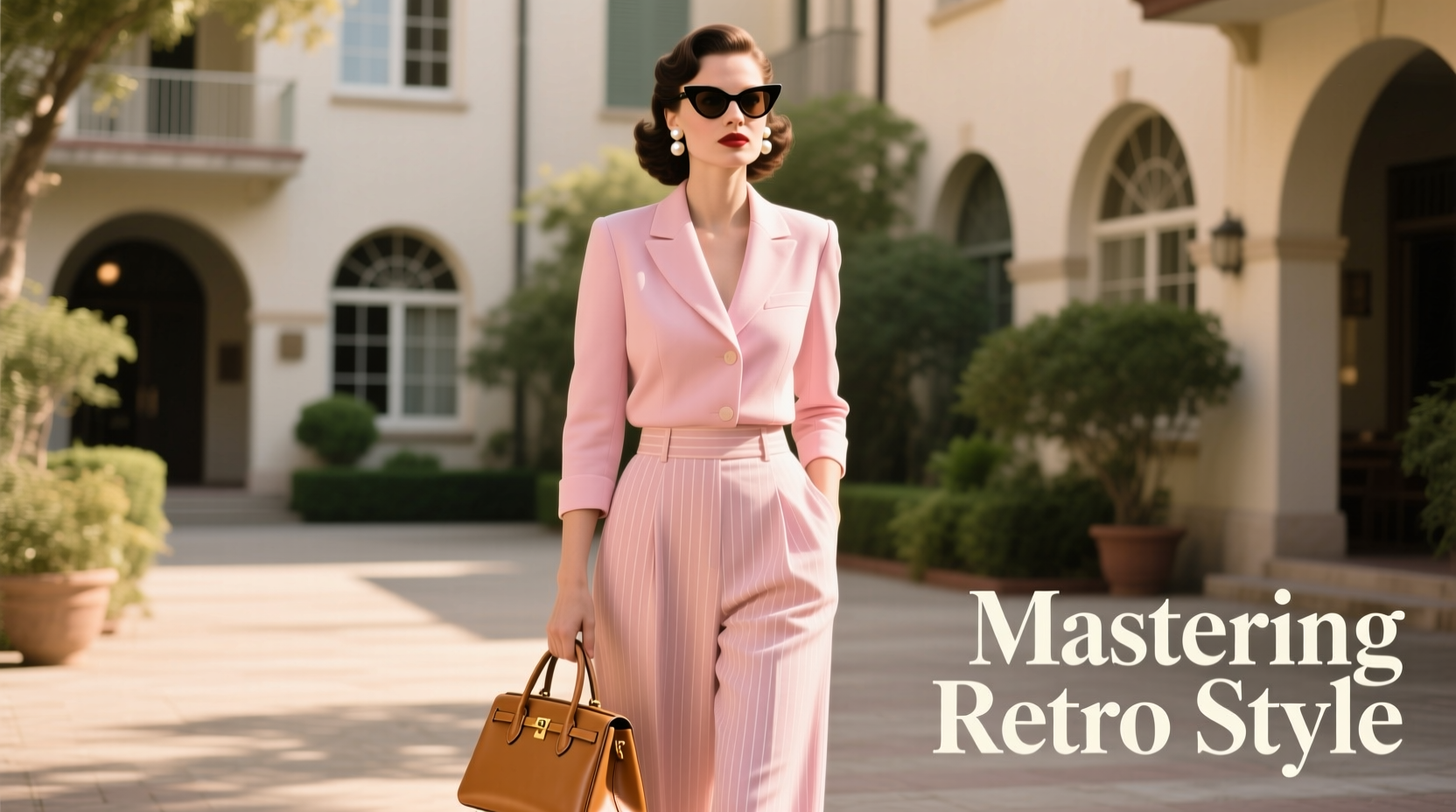
Vintage-inspired two-piece sets come in various forms: skirt-and-blouse combos, matching dresses with boleros, trouser-and-top duos, and even knit twinsets popularized in the 1950s. Each era contributed distinct silhouettes and fabrics that define its character.
- 1940s: Tailored wool suits with padded shoulders and knee-length skirts—practical elegance born from wartime utility.
- 1950s: Full-circle skirts paired with fitted bodices or cardigans; think poodle skirts and twinsets in pastel tones.
- 1960s: Mod-inspired geometric prints, A-line cuts, and bold contrasts—often in synthetic fabrics like polyester.
- 1970s: Flowing maxi sets, peasant blouses with flared pants, earthy hues, and crochet details.
- 1980s: Power dressing with strong shoulders, bold colors, and structured tailoring.
Today’s versions often use sustainable materials and updated cuts for better movement and inclusivity. Modern designers reinterpret these classics by softening proportions or introducing minimalist lines, making them more adaptable to daily wear.
How to Style Retro Two-Pieces Without Looking Costumed
The biggest challenge in wearing vintage-style sets is avoiding the “theme party” effect. The goal is subtle homage, not replication. Here’s how to keep the look grounded in reality:
- Mix eras intentionally. Pair a 1950s-style circle skirt with a modern graphic tee instead of a period-correct blouse. This creates visual interest while anchoring the outfit in the present.
- Keep accessories minimal. A single vintage-inspired piece—a cat-eye sunglasses or a pearl brooch—can nod to the past without overwhelming the ensemble.
- Footwear matters. Avoid overly theatrical shoes. A sleek loafer, block heel, or minimalist sandal keeps the focus on the outfit’s elegance rather than its historical accuracy.
- Break up the set occasionally. Wear the top with high-waisted jeans or the skirt with a solid-color sweater. This increases versatility and prevents repetition.
“Retro style works best when it feels lived-in, not performed. It’s about channeling the spirit of an era, not reenacting it.” — Lila Monroe, Vintage Fashion Curator at The Archive Collective
Do’s and Don’ts of Wearing Coordinated Sets
| Do | Don’t |
|---|---|
| Choose sets with balanced proportions—neither too tight nor excessively loose. | Over-accessorize with multiple vintage pieces at once. |
| Use neutral under-layers (e.g., nude slips or camisoles) to prevent sheen or transparency issues. | Wear head-to-toe retro prints unless you’re confident in your styling balance. |
| Opt for monochrome or tonal sets if you're new to the trend—they’re easier to style. | Ignore fit. Even the most authentic-looking set fails if it doesn’t flatter your body shape. |
| Layer with modern outerwear—like a trench coat or denim jacket—for contrast. | Assume all vintage styles suit all body types. Know what silhouettes enhance your frame. |
A Step-by-Step Guide to Building Your First Retro-Inspired Wardrobe
Transitioning into retro style doesn’t require a closet overhaul. Start small and build thoughtfully.
- Identify your signature era. Explore different decades through films, magazines, or museum archives. Do you gravitate toward the glamour of the 1950s or the free-spirited 1970s? Pinpoint what resonates emotionally and aesthetically.
- Invest in one foundational set. Choose a versatile piece—such as a navy shirtdress with matching cropped jacket or a cream linen co-ord—in a cut that complements your figure.
- Test wearability. Wear the set in low-stakes settings—brunch, shopping, casual workdays. Note comfort, ease of movement, and feedback from others.
- Add complementary basics. Introduce solid-color blouses, classic pumps, or structured handbags that support the retro vibe without competing.
- Gradually expand. After mastering one era, experiment with mixing elements—e.g., pairing 1960s prints with 1940s tailoring—for a personalized hybrid look.
Real-Life Styling: A Case Study
Sophie, a 32-year-old graphic designer in Portland, wanted to incorporate more personality into her wardrobe without appearing flashy. She began with a 1950s-inspired mint-green polka dot playsuit featuring cap sleeves and a belted waist. Her first attempt—paired with red heels and victory rolls—felt excessive for her office environment.
She revised the look: swapped the heels for white leather sneakers, added a denim shirt tied at the waist, and styled her hair in a relaxed half-up bun. The result was fresh, feminine, and subtly nostalgic. Colleagues complimented her “put-together yet easy” style. Over time, she built around this piece with a tailored beige cardigan, cat-eye sunglasses, and a vintage-inspired tote, creating a cohesive retro-modern capsule.
Sophie’s success came from editing, not excess. She used the playsuit as a focal point but grounded it with contemporary touches that reflected her lifestyle.
Essential Checklist for Styling Two-Piece Sets with Vintage Flair
- ☐ Determine which decade aligns with your personal aesthetic.
- ☐ Select a two-piece set in a flattering cut and durable fabric.
- ☐ Ensure proper fit—tailoring may be necessary for off-the-rack vintage.
- ☐ Plan at least three ways to wear the set (full match, separated, layered).
- ☐ Choose footwear that balances vintage and modern elements.
- ☐ Limit vintage accessories to one or two per outfit.
- ☐ Assess the outfit in natural light before wearing it out.
Frequently Asked Questions
Can I wear retro two-piece sets to work?
Yes, especially if your workplace allows creative professional attire. Opt for muted tones, structured fabrics, and modest lengths. A matching tweed skirt and jacket combo, for example, reads as polished and intentional rather than theatrical.
Are vintage two-piece sets suitable for all body types?
Absolutely. The key is proportion. Pear-shaped figures may favor A-line skirts with defined waists; apple shapes can embrace empire lines or wrap-style sets; taller frames shine in long-line jackets or maxi co-ords. Focus on silhouettes that highlight your strengths.
How do I care for vintage-style fabrics?
Always check labels. Natural fibers like cotton and wool often require gentle washing or dry cleaning. Store sets on padded hangers or folded with tissue paper to maintain shape. Avoid direct sunlight to prevent fading, especially in bold dyes.
Final Thoughts: Make the Past Work for Your Present
Retro style isn’t about escaping the present—it’s about enriching it with depth, craftsmanship, and intentionality. Two-piece sets offer a rare combination of convenience and charisma, allowing you to express individuality without sacrificing coherence. When chosen with care and styled with subtlety, they become more than garments—they become statements of continuity between generations of design.
The most enduring fashion choices are those that feel authentic. Whether you're drawn to the refined grace of the 1950s or the bold experimentation of the 1980s, let your wardrobe reflect not just what was, but what is possible when history meets personal vision.




 浙公网安备
33010002000092号
浙公网安备
33010002000092号 浙B2-20120091-4
Comments
No comments yet. Why don't you start the discussion?