
Roasting vegetables is deceptively simple—toss them in oil, apply heat, and wait—but the difference between soggy, unevenly cooked medleys and deeply caramelized, restaurant-quality sides lies in one critical factor: temperature control. Most home cooks treat roasting as a set-it-and-forget-it process, relying on default oven settings or vague recipe instructions. The result? Often inconsistent textures, muted flavors, and missed opportunities for complexity. Professional kitchens, however, approach roasting with precision, adjusting temperatures based on vegetable density, moisture content, and desired outcome. Understanding how to manipulate heat—not just duration—transforms roasting from a passive technique into an active culinary strategy. This guide breaks down the science, tools, and decision-making behind pro-level temperature control, empowering you to achieve perfect roasted vegetables every time.
Definition & Overview
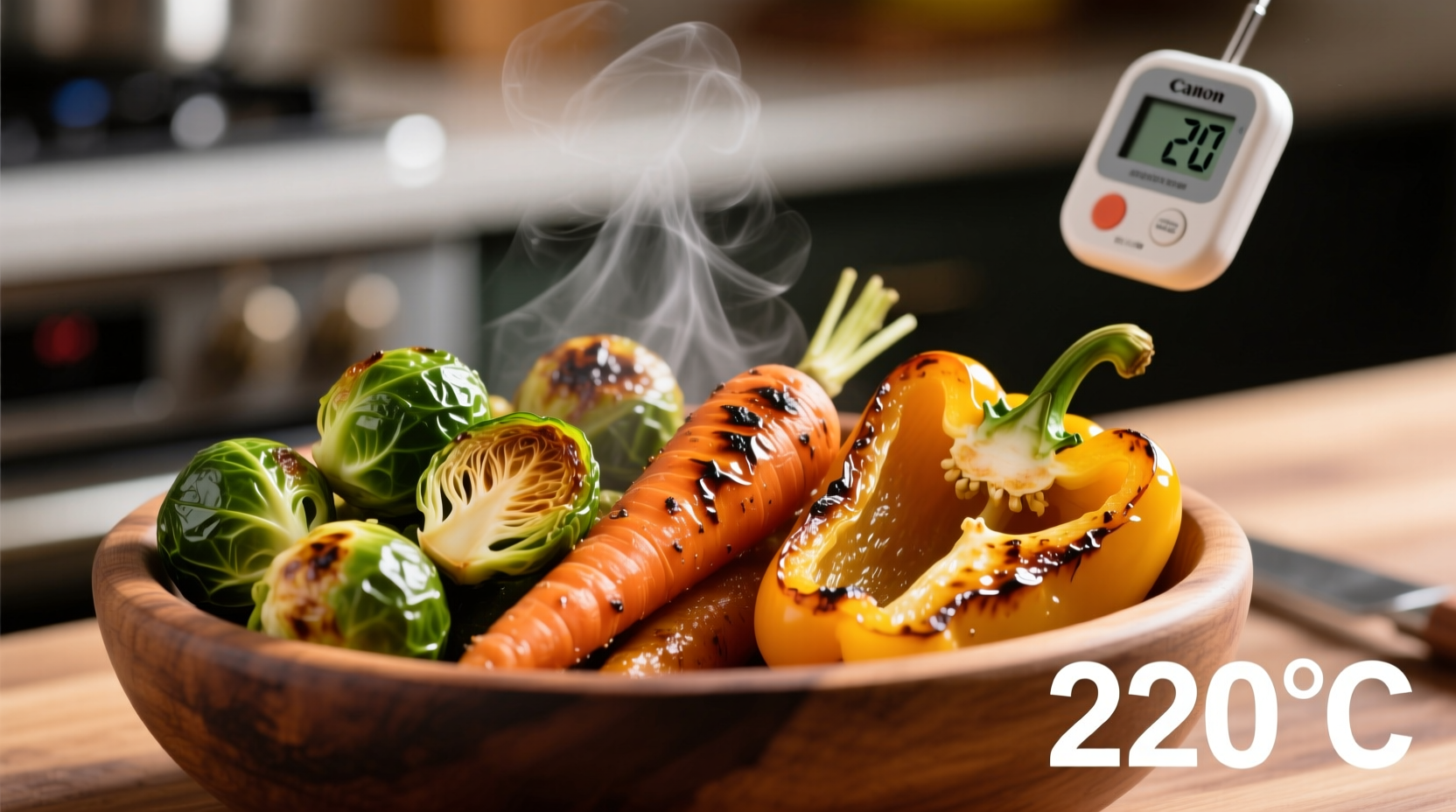
Roasting is a dry-heat cooking method that uses ambient oven heat to transform raw vegetables through browning, moisture evaporation, and flavor concentration. Unlike steaming or boiling, which rely on water transfer, roasting encourages Maillard reactions and caramelization—chemical processes responsible for rich, complex flavors and appealing textures. While often grouped under \"sheet pan cooking,\" true roasting occurs at higher temperatures (typically 375°F/190°C and above), distinguishing it from slow baking or dehydrating.
The category encompasses nearly all edible plant parts: roots (carrots, potatoes), bulbs (onions, fennel), cruciferous (broccoli, cauliflower), nightshades (bell peppers, eggplant), and even delicate items like cherry tomatoes when handled correctly. Flavor profiles vary widely but generally evolve from raw and vegetal to sweet, nutty, and umami-rich after roasting. The process intensifies natural sugars, softens fibers, and creates textural contrast between crispy exteriors and tender interiors.
Key Characteristics of Roasted Vegetables
- Flavor: Deepened sweetness, nuttiness, and savory depth due to caramelization and Maillard browning.
- Aroma: Warm, toasted, slightly smoky notes; intensified by volatile compounds released during high-heat exposure.
- Color: Golden-brown to deep mahogany surfaces; interior color varies by type (e.g., orange in carrots, pale yellow in turnips).
- Texture: Crisp-tender exterior with moist, yielding interior; over-roasting leads to dryness or charring.
- Moisture Content: Reduced by 30–60% depending on vegetable and roast time; essential for achieving crispness.
- Culinary Function: Served as side dishes, incorporated into grain bowls, puréed into soups, or used as pizza toppings and sandwich fillings.
- Shelf Life: 3–5 days refrigerated; best reheated in oven or skillet to preserve texture.
Temperature Zones and Their Effects
Professional chefs segment roasting into three primary temperature zones, each producing distinct outcomes:
| Temperature Range | Cooking Effect | Best For | Typical Time |
|---|---|---|---|
| 425–475°F (220–245°C) | Rapid surface browning, crisp edges, concentrated flavor | Dense root vegetables, broccoli, Brussels sprouts | 20–35 minutes |
| 375–400°F (190–205°C) | Even cooking with moderate browning, minimal shrinkage | Squash, bell peppers, mushrooms, onions | 30–45 minutes |
| 325°F (160°C) and below | Slow dehydration, silky texture, no charring | Eggplant, tomatoes, zucchini (when preserving shape) | 45–75 minutes |
High heat (425°F+) triggers rapid water loss and aggressive browning, ideal for vegetables that benefit from crunch and char. Medium heat balances tenderness and color development, preventing delicate items from drying out. Low-and-slow roasting mimics confit-style cooking, breaking down cell walls gently without surface crisping—useful for sauces or spreads.
Practical Usage: How to Apply Temperature Control
Successful roasting begins with **vegetable triage**—sorting by density and water content. Grouping dissimilar vegetables on the same tray without adjustment leads to overcooked zucchini alongside underdone carrots. Follow this step-by-step method:
- Prep vegetables uniformly: Cut into even sizes (1–1.5 inches) to ensure consistent cooking. Denser vegetables like potatoes should be slightly smaller than softer ones like onions.
- Separate by cooking speed: Keep fast-cooking (zucchini, cherry tomatoes) and slow-cooking (beets, sweet potatoes) vegetables on separate trays or stagger start times.
- Oil wisely: Use 1–2 teaspoons per cup of vegetables. High-smoke-point oils (avocado, grapeseed) prevent burning at high temps; olive oil works well up to 425°F.
- Season early: Salt draws out moisture initially but enhances browning later. Add herbs like rosemary or thyme before roasting; delicate herbs (parsley, basil) after.
- Use convection when possible: Convection ovens circulate hot air, reducing roasting time by 15–25% and improving crispness. Reduce temperature by 25°F if using convection setting.
- Maximize airflow: Spread vegetables in a single layer with space between pieces. Crowding causes steaming, not roasting.
- Flip or rotate halfway: Ensures even exposure, especially in non-convection ovens. Use a spatula or shake the pan gently.
Pro Tip: For ultra-crisp results, preheat your sheet pan in the oven before adding vegetables. The immediate contact heat jump-starts browning and prevents sticking.
Case Study: Roasting Brussels Sprouts Like a Pro
Brussels sprouts exemplify how temperature dictates outcome. At 375°F, they steam internally, turning mushy with pale exteriors. At 450°F, their outer leaves crisp dramatically while the core remains tender-crisp. Here’s the optimized method:
- Trim stems, halve sprouts evenly.
- Toss with 1.5 tsp avocado oil and ¾ tsp kosher salt per pound.
- Arrange cut-side down on a preheated rimmed baking sheet.
- Roast at 450°F for 22–28 minutes until deeply browned and caramelized.
- Finish with lemon zest or balsamic glaze.
The high heat ensures the cut surface makes full contact with the hot metal, creating a sear-like effect. Lower temperatures fail to generate sufficient thermal transfer for this reaction.
Variants & Types: Adjusting for Vegetable Categories
Not all vegetables respond to heat the same way. Classify them by structure and adjust temperature accordingly:
Root Vegetables (Potatoes, Carrots, Beets)
Dense and starch-rich, these require high heat (425–450°F) to caramelize sugars and create crisp exteriors. Parboiling potatoes for 5 minutes before roasting roughs up the surface, increasing crispness. Sweet potatoes benefit from slightly lower heat (400°F) to avoid burning their high sugar content.
Cruciferous Vegetables (Broccoli, Cauliflower, Kohlrabi)
High in sulfur compounds and fiber, these develop nutty, almost meaty flavors when roasted at 425–450°F. Cut florets large enough to retain structure. For extra browning, drizzle with anchovy paste or miso before roasting.
Squashes & Gourds (Butternut, Acorn, Delicata)
High moisture and moderate sugar. Roast at 400°F to balance softening and browning. Leave skin on delicate varieties like delicata—it becomes tender and edible. Scoop seeds from larger squashes before roasting.
Alliums (Onions, Shallots, Garlic)
Low heat (350–375°F) preserves shape and develops sweetness without scorching. Whole roasted garlic (drizzled with oil, wrapped in foil) takes 45 minutes at 375°F and becomes spreadably soft. Sliced onions for tarts or pizzas do better at 400°F for slight crispness.
Nightshades (Bell Peppers, Eggplant, Tomatoes)
Bell peppers thrive at 425°F for blistered skins and smoky flavor. Eggplant, prone to sogginess, benefits from salting and draining before roasting at 400°F. Cherry tomatoes roasted at 325°F for 60 minutes become jammy and intense—perfect for pasta.
Comparison with Similar Cooking Methods
Roasting is often confused with baking, grilling, or sautéing. While overlapping in tools and goals, key differences exist:
| Method | Heat Source | Temperature Range | Texture Outcome | Best Example |
|---|---|---|---|---|
| Roasting | Oven (dry, ambient) | 375–475°F | Crisp exterior, tender interior | Rosemary potatoes at 450°F |
| Baking | Oven (often enclosed) | 300–375°F | Uniform softness, no browning | Baked acorn squash halves |
| Grilling | Direct radiant heat | 400–600°F | Charred marks, smoky flavor | Grilled asparagus |
| Sautéing | Direct pan contact | 350–450°F | Quick-cooked, lightly browned | Sautéed mushrooms |
Unlike baking, which emphasizes even internal cooking (e.g., casseroles), roasting prioritizes surface transformation. Grilling offers faster charring but less control over doneness. Sautéing excels with small batches but lacks the ambient heat needed for full caramelization across multiple pieces.
Practical Tips & FAQs
What’s the best oven rack position for roasting?
Place the rack in the middle third of the oven for balanced heat distribution. For maximum browning, move it to the top third—closer to the upper heating element.
Can I roast frozen vegetables?
Not ideally. Frozen vegetables release excess moisture, leading to steaming. If necessary, increase temperature to 450°F, spread in a single layer, and extend time by 10–15 minutes. Fresh yields superior texture and flavor.
Why are my vegetables sticking to the pan?
Lack of preheating, insufficient oil, or using a non-seasoned or damaged sheet pan. Use heavy-duty aluminum or steel pans, avoid nonstick (they inhibit browning), and consider parchment only if necessary—never wax paper.
How do I prevent burning on convection ovens?
Reduce temperature by 25°F and check 10 minutes early. Convection accelerates evaporation and browning.
Can I roast different vegetables together?
Yes, but only if they have similar densities and water content. Combine carrots, parsnips, and turnips. Avoid mixing broccoli with potatoes unless staggering start times. Begin with dense vegetables, add quicker-cooking ones halfway through.
Do I need to flip vegetables during roasting?
For even browning, yes—especially in conventional ovens. Flip halfway through or use a rimmed pan to toss gently. Dense root vegetables may not require flipping if cut uniformly and spaced well.
What’s the role of acid in roasting?
Add acids like vinegar, citrus juice, or wine *after* roasting. Adding them before can interfere with browning by lowering surface pH. A splash of sherry vinegar post-roast brightens rich, sweet flavors.
Storage Tip: Store roasted vegetables in airtight containers for up to 5 days. Reheat in a 400°F oven for 8–10 minutes to restore crispness. Microwaving softens texture significantly.
Advanced Techniques: Layered Roasting & Temperature Shifting
For mixed-vegetable dishes, professionals use two advanced strategies:
Staggered Start Times
Begin roasting denser vegetables (potatoes, carrots) at 425°F. After 15–20 minutes, add medium-density items (onions, bell peppers). In the final 10 minutes, add delicate vegetables (zucchini, cherry tomatoes). All finish together with optimal doneness.
Temperature Ramping
Start at 475°F for 10 minutes to initiate browning, then reduce to 375°F to finish cooking without burning. Ideal for thick-cut squash or whole baby beets. This mimics professional combi-ovens that modulate heat dynamically.
\"The secret isn’t just heat—it’s timing the heat. You want to shock the surface to seal in flavor, then ease into the core.\" — Chef Elena Ruiz, Executive Chef, Terra & Thyme
Summary & Key Takeaways
Mastering roasted vegetables hinges on understanding temperature as a tool, not just a setting. High heat (425–475°F) delivers crisp, caramelized results for dense vegetables. Medium heat (375–400°F) ensures even cooking for moderate-density produce. Low heat (325°F) gently concentrates flavor in delicate items. Success requires proper prep, correct oil usage, airflow management, and strategic grouping by cooking speed.
Key principles to remember:
- Match temperature to vegetable density and desired texture.
- Preheat pans and use convection when available.
- Never overcrowd the tray—roasting requires space.
- Adjust methods for mixed dishes using staggered starts or temperature shifts.
- Reheat properly to maintain texture.
Challenge Yourself: Next time you roast vegetables, use an oven thermometer to verify accuracy and keep a log of time, temp, and results. Within three tries, you’ll develop an intuitive sense of what each vegetable needs.




 浙公网安备
33010002000092号
浙公网安备
33010002000092号 浙B2-20120091-4
Comments
No comments yet. Why don't you start the discussion?