
Keychain ropes may seem like small accessories, but their construction speaks volumes about craftsmanship and durability. Whether used as functional tools, decorative items, or personalized gifts, a well-braided rope ensures longevity and aesthetic appeal. The secret lies not in the materials alone, but in the precision of the braiding technique. Secure, tightly woven patterns resist fraying, withstand daily wear, and maintain structural integrity over time. This guide dives into the art and science of creating robust keychain ropes through proven braiding methods, material selection, and finishing touches that stand the test of time.
The Importance of Secure Braiding in Keychain Design
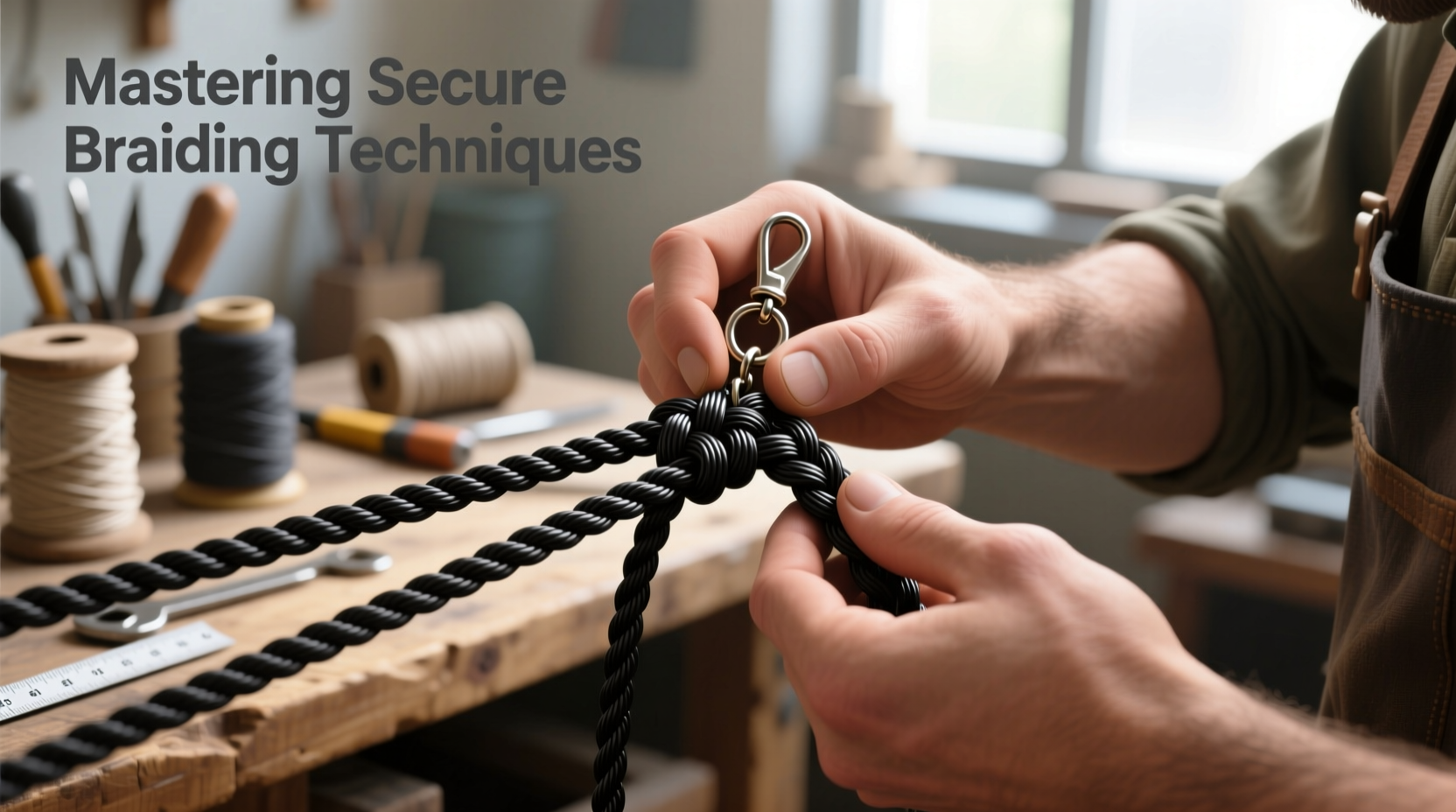
A keychain is subjected to constant stress—tugging, twisting, and exposure to elements. A poorly executed braid can unravel within days, compromising both utility and appearance. Secure braiding distributes tension evenly across strands, minimizing weak points and enhancing load-bearing capacity. Unlike simple knots or single-strand loops, braided cords offer redundancy: if one strand weakens, others continue to support the structure.
Beyond function, braiding adds visual sophistication. Patterns such as the crown sinnet, diamond braid, or four-strand round braid transform basic cordage into miniature works of art. However, aesthetics should never come at the expense of strength. The most effective designs balance form and resilience, ensuring the final product performs reliably under real-world conditions.
Choosing the Right Materials for Durability
The foundation of any durable keychain rope begins with material selection. Not all cords are created equal; some fibers prioritize softness over strength, while others excel in abrasion resistance. For keychains, paracord (specifically Type III 550) remains a top choice due to its high tensile strength (550 lbs), nylon composition, and availability in vibrant colors.
Alternative options include:
- Polyester braid – Resistant to UV degradation and moisture, ideal for outdoor use.
- Kevlar thread – Extremely strong and heat-resistant, though more challenging to work with.
- Waxed cotton – Offers vintage appeal and moderate durability, best for low-stress applications.
Regardless of fiber type, ensure the cord has a tight weave and minimal stretch. Avoid hollow-core paracord unless it will be packed with inner strands for added bulk and stability.
| Material | Tensile Strength | UV Resistance | Best Use Case |
|---|---|---|---|
| Paracord (550) | 550 lbs | Moderate | General-purpose, rugged keychains |
| Polyester Braid | 300–400 lbs | High | Outdoor gear, marine environments |
| Kevlar Thread | Over 3,600 lbs (per sq in) | Excellent | High-security or tactical keychains |
| Waxed Cotton | 100–150 lbs | Low | Decorative or fashion-focused pieces |
Step-by-Step Guide to the Four-Strand Round Braid
The four-strand round braid is a cornerstone technique for durable keychains. It produces a thick, symmetrical rope with no flat sides, making it both strong and visually balanced. Follow this sequence to execute it correctly:
- Cut and prepare four equal lengths of paracord (typically 36 inches each for a 4-inch finished keychain).
- Secure one end using a clamp or tape to a stable surface.
- Arrange strands in a cross pattern: North, South, East, West.
- Begin the braid by taking the North strand and passing it under the East strand.
- Move the South strand under the new East position (originally North).
- Take the West strand under where South now sits.
- Finally, move the remaining free strand (current East) under the West’s new position.
- Repeat the sequence—always moving each strand clockwise and passing under the next—until the desired length is reached.
- Secure the end with a tight overhand knot or by melting and flattening the tip (for synthetic cords).
This repeating cycle creates a continuous interlock that resists untwisting. Maintain consistent tension throughout to prevent gaps or uneven sections.
“Braiding isn’t just about pattern—it’s about rhythm and pressure. Even tension is what separates a professional finish from an amateur attempt.” — Daniel Reyes, Cordage Artisan & Instructor
Common Mistakes and How to Avoid Them
Even experienced crafters can fall into pitfalls that compromise the integrity of a braided keychain. Awareness of these errors improves consistency and quality.
- Inconsistent tension: Pulling some strands tighter than others leads to warping and weak spots. Use a jig or anchor point to stabilize your work.
- Improper starting knots: A loose beginning allows the braid to unravel. Always start with a secure anchor knot like a constrictor or double overhand.
- Skipping strand conditioning: Waxed or lightly lubricated cords glide smoothly during braiding, reducing friction and breakage.
- Trimming too close: Cutting excess cord flush with the knot invites premature fraying. Leave a small tail or seal the end with heat.
Mini Case Study: Building a Tactical Keychain for Daily Carry
Mark, an outdoor educator and EDC (everyday carry) enthusiast, needed a keychain that could survive backpack straps, carabiner clips, and frequent drops on rocky terrain. He selected olive-drab paracord and applied the four-strand round braid over a 5-inch length. To enhance security, he began with a constrictor knot anchored to a metal split ring and finished with a melted stopper bead.
After six months of rigorous use—including being stepped on, soaked in rain, and snagged on brush—the keychain showed no signs of unraveling. The braid remained tight, and the ends were intact. Mark attributed the success to consistent tension during braiding and the use of UV-resistant paracord. His experience underscores how proper technique directly impacts performance in demanding environments.
Essential Checklist for Durable Keychain Construction
Before completing your next keychain project, verify the following steps have been taken:
- ☑ Choose high-tensile, abrasion-resistant cord (e.g., paracord or polyester braid)
- ☑ Cut strands to equal length and pre-stretch them
- ☑ Anchor the starting end securely with a locking knot
- ☑ Maintain even tension throughout the braid
- ☑ Seal or knot the finishing end to prevent fraying
- ☑ Test the braid by gently pulling both ends to check for slippage
- ☑ Inspect for gaps, twists, or weak sections before finalizing
Frequently Asked Questions
Can I mix different cord types in one braid?
While possible, mixing materials can lead to uneven wear and tension issues due to differing elasticity and thickness. Stick to uniform cords for optimal durability.
How do I clean a braided keychain without damaging it?
For synthetic cords like paracord, hand wash with mild soap and lukewarm water. Rinse thoroughly and air dry completely before reuse. Avoid machine washing, which can loosen the braid.
Is there a way to make the braid thicker without adding more strands?
Yes. Using a core filler—such as additional inner strands or a stiff wire center—adds girth and rigidity. Wrap your braid around the core for a denser, heavier-duty result.
Conclusion: Craft with Confidence and Longevity
Mastering secure braiding techniques transforms a simple keychain into a resilient, purposeful accessory. By selecting the right materials, applying precise methods, and avoiding common errors, you create more than a functional item—you build trust in every knot and weave. These small creations reflect attention to detail, patience, and respect for craftsmanship. Whether crafting for personal use, gifting, or selling, the principles of durability and elegance remain universal.




 浙公网安备
33010002000092号
浙公网安备
33010002000092号 浙B2-20120091-4
Comments
No comments yet. Why don't you start the discussion?