
For millions dealing with allergies, chronic congestion, or recurring sinus infections, nasal irrigation is more than a remedy—it’s a daily ritual that brings relief. When done correctly, a sinus rinse clears mucus, flushes out allergens, and reduces inflammation in the nasal passages. Yet many people either avoid it due to discomfort or perform it incorrectly, diminishing its benefits. This guide breaks down the science-backed method for mastering sinus rinse—safely, comfortably, and effectively.
Why Nasal Irrigation Works
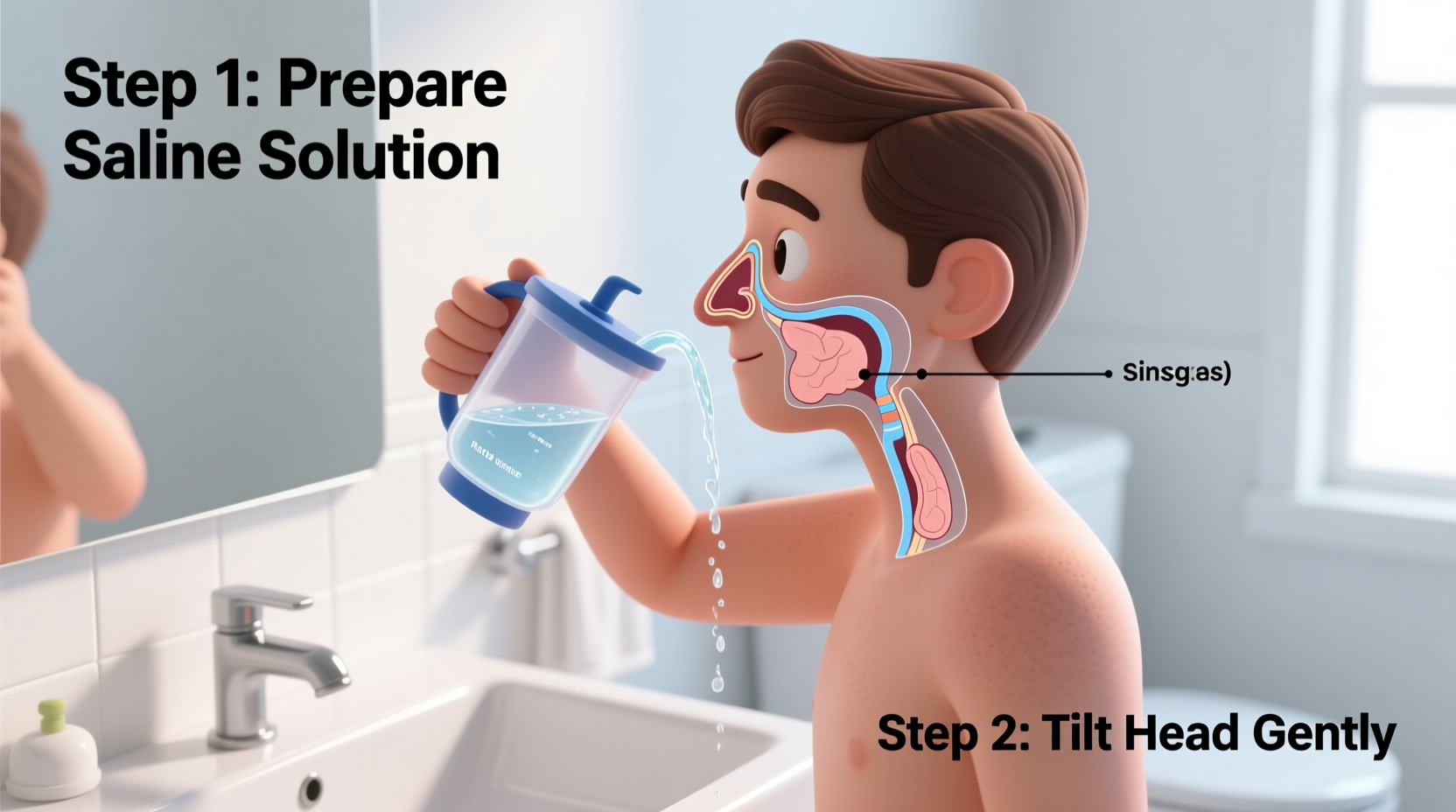
The principle behind sinus rinsing is simple: use a saline solution to gently flush the nasal cavity. The practice, rooted in ancient Ayurvedic tradition as \"jala neti,\" has been validated by modern medicine. According to the American Academy of Allergy, Asthma & Immunology (AAAAI), regular nasal irrigation can reduce symptoms of allergic rhinitis, improve quality of life, and decrease reliance on medications like decongestants and antihistamines.
The saline solution hydrates dry membranes, dissolves thick mucus, and removes airborne irritants such as pollen, dust, and mold spores. Unlike sprays that coat the surface, rinsing reaches deeper into the sinuses, offering longer-lasting relief.
“Nasal saline irrigation is one of the safest and most effective adjunct therapies for chronic sinus conditions.” — Dr. Linda Fang, Otolaryngologist at Johns Hopkins Medicine
Choosing Your Tools: Neti Pot vs. Squeeze Bottle
Two primary devices dominate home nasal irrigation: the neti pot and the squeeze bottle. Each has advantages depending on your experience level and sensitivity.
| Feature | Neti Pot | Squeeze Bottle |
|---|---|---|
| Flow Control | Gravity-fed, gentler flow | Adjustable pressure via squeezing |
| Learning Curve | Higher – requires proper head tilt | Easier for beginners |
| Cleanability | Wide opening, easy to clean | Narrow nozzle may trap residue |
| Portability | Bulkier | Compact, travel-friendly |
| Best For | Experienced users seeking gentle rinse | Beginners or those needing targeted pressure |
Step-by-Step Guide to a Comfortable Sinus Rinse
Success lies not just in technique but consistency and preparation. Follow these steps carefully to maximize comfort and effectiveness.
- Prepare sterile water. Never use tap water directly. Use distilled, boiled (then cooled), or filtered water (0.2-micron filter). Tap water may contain harmful microorganisms like Naegleria fowleri, which can cause rare but serious infections.
- Mix the saline solution. Use pre-measured saline packets or make your own: mix ¼ to ½ teaspoon of non-iodized salt (such as pickling or kosher salt) with 8 ounces (1 cup) of lukewarm water (around 98°F or body temperature). Add a pinch of baking soda to buffer irritation.
- Position yourself correctly. Lean over a sink. Tilt your head sideways at about a 45-degree angle. Keep your forehead and chin level to prevent fluid from entering the inner ear.
- Insert the spout gently. Place the spout of the neti pot or bottle into your upper nostril. Breathe through your mouth—not your nose—to avoid choking.
- Pour or squeeze slowly. Allow the solution to flow into the upper nostril and drain out the lower one. You should feel a gentle wash, not pressure. If you feel pain or burning, stop and check your solution’s temperature and salinity.
- Switch sides. After emptying half the solution, switch nostrils. Pour the remaining liquid through the opposite side using the same method.
- Clear your nasal passages. Gently blow each nostril after rinsing—softly, one at a time. Avoid forceful blowing, which can push fluid into the Eustachian tubes.
- Clean your device thoroughly. Rinse the bottle or pot with hot water, then air-dry on a clean towel. Wash weekly with mild soap or vinegar solution.
Avoid These Common Mistakes
Even small errors can turn an effective treatment into an uncomfortable experience—or worse, a health risk.
- Using cold or hot water: Extreme temperatures cause stinging. Always test the solution on your wrist first.
- Incorrect salt ratio: Too little salt causes burning; too much feels harsh. Stick to isotonic (balanced) solutions unless directed otherwise.
- Leaning forward too much: This blocks drainage. Maintain a neutral head position between forehead and chin.
- Reusing solution: Discard any leftover saline. Do not store mixed solution unless refrigerated and used within 24 hours.
- Neglecting hygiene: Bacteria and mold can grow in poorly cleaned devices. Replace plastic bottles every 3–6 months.
Real-Life Example: Sarah’s Allergy Relief Journey
Sarah, a 34-year-old teacher in Portland, struggled with seasonal allergies for years. Antihistamines made her drowsy, and nasal sprays only offered temporary relief. After her ENT recommended sinus rinsing, she was skeptical—until she tried it consistently for two weeks.
At first, she experienced mild discomfort and occasional ear fullness. But after adjusting the water temperature and switching to a squeeze bottle, the process became smooth. Within a month, her reliance on medication dropped by 70%. “It’s like giving my sinuses a daily shower,” she says. “I wake up breathing clearly, even during pollen season.”
When to Consult a Doctor
While sinus rinsing is generally safe, it’s not suitable for everyone. Seek medical advice if you have:
- Frequent nosebleeds
- Recent nasal surgery
- Chronic ear infections or eardrum perforation
- No improvement after 2–3 weeks of consistent use
In rare cases, improper use has led to infections. The CDC emphasizes that using non-sterile water is the leading cause of complications. Always prioritize safety over convenience.
FAQ: Frequently Asked Questions
How often should I do a sinus rinse?
For maintenance, once daily is sufficient. During acute illness or high allergen exposure, twice daily may help—but avoid long-term overuse, which can strip natural mucus barriers.
Can children use sinus rinses?
Yes, but only under adult supervision and with pediatrician approval. Use child-sized devices and lower volumes (4 oz per side). Most doctors recommend waiting until age 6+.
Is it normal to taste the solution?
Yes. The saline may drain into the back of your throat via the nasopharynx. That’s why breathing through your mouth and keeping your tongue relaxed helps. Spit it out—don’t swallow large amounts.
Essential Checklist for Safe and Effective Rinsing
- Before Each Use:
- ☐ Use sterile water (distilled, boiled, or filtered)
- ☐ Check expiration date of saline packets
- ☐ Test solution temperature on wrist
- ☐ Clear sink area and wear old clothing (in case of spills)
- During the Rinse:
- ☐ Breathe through mouth
- ☐ Tilt head properly (45°, ears vertical)
- ☐ Pour slowly—no force needed
- Afterward:
- ☐ Blow nose gently
- ☐ Rinse device with hot water
- ☐ Air-dry completely before storing
Conclusion: Make Nasal Care a Sustainable Habit
Mastering sinus rinse isn’t about perfection—it’s about consistency, cleanliness, and comfort. With the right tools and technique, what once felt strange becomes second nature. Over time, many users report not just symptom relief but a renewed sense of respiratory wellness. Whether you’re managing allergies, recovering from a cold, or simply maintaining nasal health, this simple daily practice can transform how you breathe—and how you feel.




 浙公网安备
33010002000092号
浙公网安备
33010002000092号 浙B2-20120091-4
Comments
No comments yet. Why don't you start the discussion?