
Smart casual is often misunderstood—too formal to be relaxed, too informal to be dressed up. Yet it’s one of the most common dress codes requested for dinners, networking events, weddings, and gallery openings. The challenge isn’t just knowing what to wear, but how to wear it with confidence and cohesion. Done right, smart casual strikes a balance between polished and approachable, stylish and comfortable. This guide breaks down exactly how to master this nuanced style with actionable strategies, real-world examples, and timeless principles.
Understanding Smart Casual: More Than Just a Label
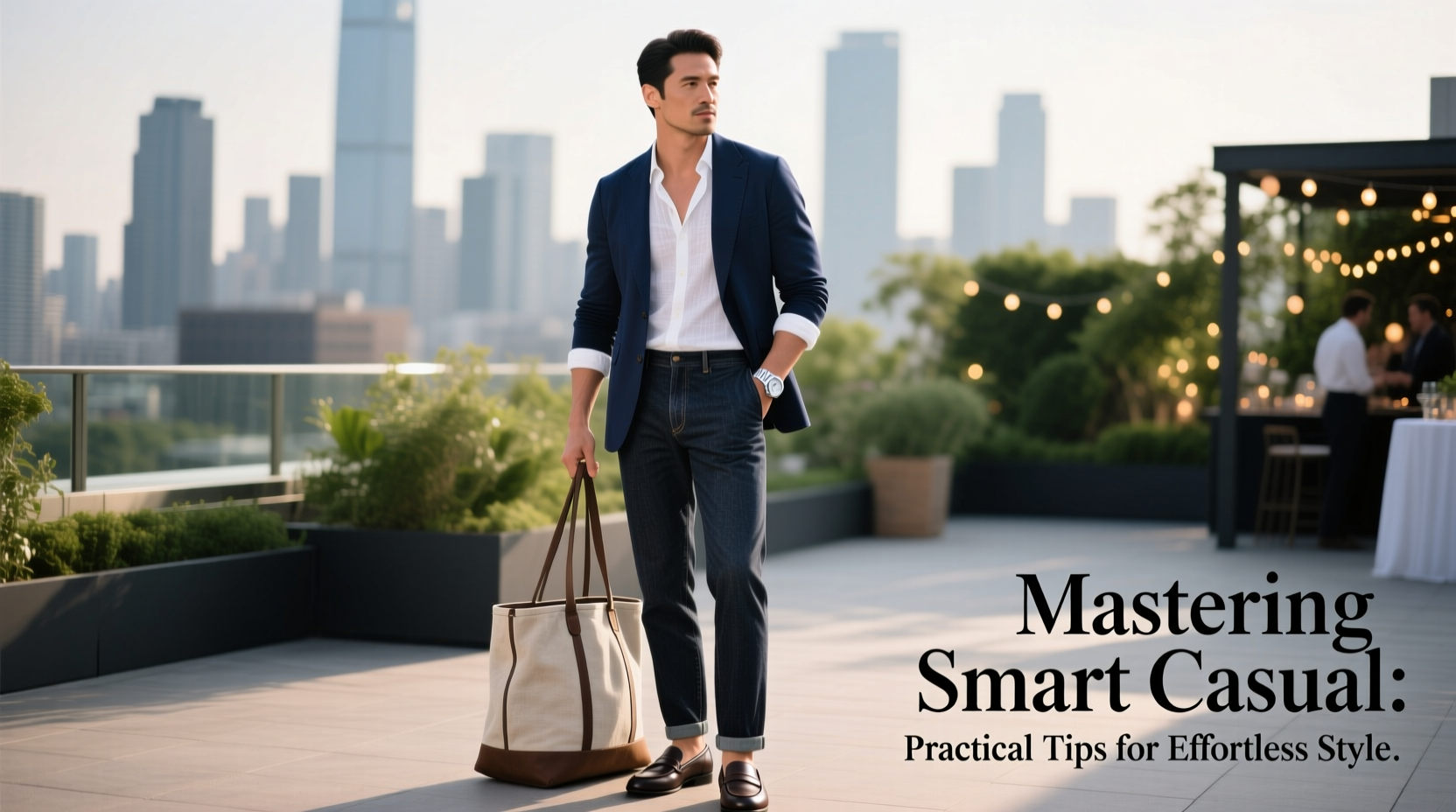
At its core, smart casual bridges the gap between business attire and weekend wear. It’s not about rigid rules but context-aware choices. A smart casual outfit should look intentional without appearing overdressed. The key lies in combining tailored pieces with relaxed elements—think blazers with chinos, loafers with rolled jeans, or a silk blouse under a chunky knit.
The confusion often arises because “smart casual” varies by culture, industry, and occasion. In London, it might mean a tweed jacket and dark denim; in Los Angeles, a linen shirt and tailored shorts. Always consider the venue, time of day, and guest list. An evening cocktail party demands more refinement than a daytime garden gathering.
“Smart casual isn’t a uniform—it’s a mindset. It’s about looking put-together while respecting the ease of the moment.” — Julian Reed, Menswear Stylist & Creative Director
Building Your Smart Casual Wardrobe: Essential Pieces
A strong smart casual wardrobe relies on versatile staples that mix and match seamlessly. Invest in quality over quantity, focusing on fabrics like cotton, wool, linen, and silk that drape well and breathe naturally. Below are the foundational items every wardrobe should include:
- A well-fitted blazer (navy, charcoal, or earth tones)
- Tailored trousers or chinos (avoid baggy fits)
- Dark wash jeans (no rips or excessive fading)
- Casual button-downs (oxford, chambray, or linen)
- Polo shirts or fine-knit sweaters
- Loafers, brogues, or minimalist leather sneakers
- A silk or cotton scarf (for women) or pocket square (for men)
Do’s and Don’ts: Navigating Common Pitfalls
Mistakes in smart casual dressing often stem from imbalance—either too stiff or too sloppy. Use this table as a quick reference to avoid fashion missteps while maintaining authenticity and elegance.
| Do | Don't |
|---|---|
| Pair a structured jacket with relaxed trousers | Wear a full suit with trainers (unless intentionally styled) |
| Choose shoes that are clean and polished | Wear flip-flops, gym shoes, or scuffed footwear |
| Use accessories to add personality (watch, belt, jewelry) | Over-accessorize with loud logos or flashy items |
| Opt for wrinkle-resistant fabrics when traveling | Arrive looking disheveled or overly wrinkled |
| Layer thoughtfully—a cardigan over a tee can work | Wear hoodies or athletic wear unless specified |
Real-Life Example: Dressing for a Summer Wedding
Sophie was invited to a vineyard wedding with a smart casual dress code. Held outdoors at 4 PM, the event promised wine tastings and mingling under string lights. She wanted to look elegant but not outshine the bride, and comfortable enough to walk on grass.
Her solution? A knee-length midi dress in sage green linen, paired with low block-heel sandals and a woven clutch. She added gold hoop earrings and a light trench-style cardigan for when the sun set. The fabric kept her cool, the silhouette remained refined, and her footwear balanced style with practicality. No one mistook her for underdressed or overdressed—she fit perfectly within the tone of the event.
This example illustrates the importance of reading the environment and adjusting accordingly. Smart casual isn’t one-size-fits-all; it evolves with setting and season.
Step-by-Step Guide: Crafting Your Smart Casual Look
Follow this five-step process anytime you’re preparing for a smart casual event. It ensures consistency and eliminates last-minute stress.
- Assess the occasion: Is it daytime or evening? Indoor or outdoor? Formal or festive?
- Select a foundation piece: Choose either a blazer, structured top, or tailored bottom as your anchor.
- Build around it: Combine with one casual element—e.g., a blazer with dark jeans, or a dress with flat sandals.
- Refine with footwear: Shoes define the level of formality. Swap sneakers for loafers or ankle boots if needed.
- Add finishing touches: Belt, watch, minimal jewelry, or a scarf can elevate the entire ensemble subtly.
Checklist: Pre-Event Smart Casual Readiness
Before leaving the house, run through this checklist to ensure your look hits all the right notes:
- ✅ Clothing is clean, pressed, and free of stains or pilling
- ✅ Shoes are polished or spotless
- ✅ Outfit balances structure and relaxation
- ✅ Colors coordinate and suit the season
- ✅ Accessories are minimal and purposeful
- ✅ You feel confident and comfortable
Frequently Asked Questions
Can I wear jeans to a smart casual event?
Yes—but only dark, well-fitting jeans without distressing or bold stitching. Pair them with a crisp shirt, blazer, or structured top to maintain polish. Avoid light washes or overly casual cuts.
Are sneakers ever acceptable in smart casual?
Minimalist leather sneakers in neutral tones (black, white, grey) can work, especially in creative industries or daytime settings. Avoid athletic branding, bright colors, or worn-out soles. For evening events, opt for loafers or oxfords instead.
How do I adapt smart casual for winter?
In colder months, layer intelligently. Start with a tailored coat, add a turtleneck or cashmere sweater, and pair with wool trousers or dark jeans. Boots—especially Chelsea or chukka styles—are ideal. Keep outerwear sleek and functional without sacrificing style.
Final Thoughts: Confidence Is the Ultimate Accessory
Mastering smart casual isn’t about memorizing rules—it’s about developing an eye for proportion, texture, and appropriateness. The most stylish people aren’t those wearing the most expensive clothes, but those who wear their clothes with ease and intention. When your outfit feels natural and reflects your personality, you’ve succeeded.
Start small: rebuild your capsule wardrobe with a few high-quality pieces, practice layering, and pay attention to grooming details like trimmed nails and neat hair. These subtle cues contribute significantly to the overall impression.




 浙公网安备
33010002000092号
浙公网安备
33010002000092号 浙B2-20120091-4
Comments
No comments yet. Why don't you start the discussion?