
Smoked grilling is more than a cooking method—it’s an art form that transforms simple ingredients into deeply aromatic, complex dishes. At the heart of this transformation lies not just smoke and fire, but the thoughtful use of spices. Yet even the most carefully curated spice blend will fail if its components have lost potency due to improper storage or misuse. Understanding how to preserve and deploy spices effectively is essential for achieving authentic, layered smoked flavors. This guide demystifies the science and practice of spice management in smoked grilling, offering actionable strategies to maintain freshness, maximize flavor impact, and avoid common pitfalls that dull your barbecue’s potential.
Definition & Overview
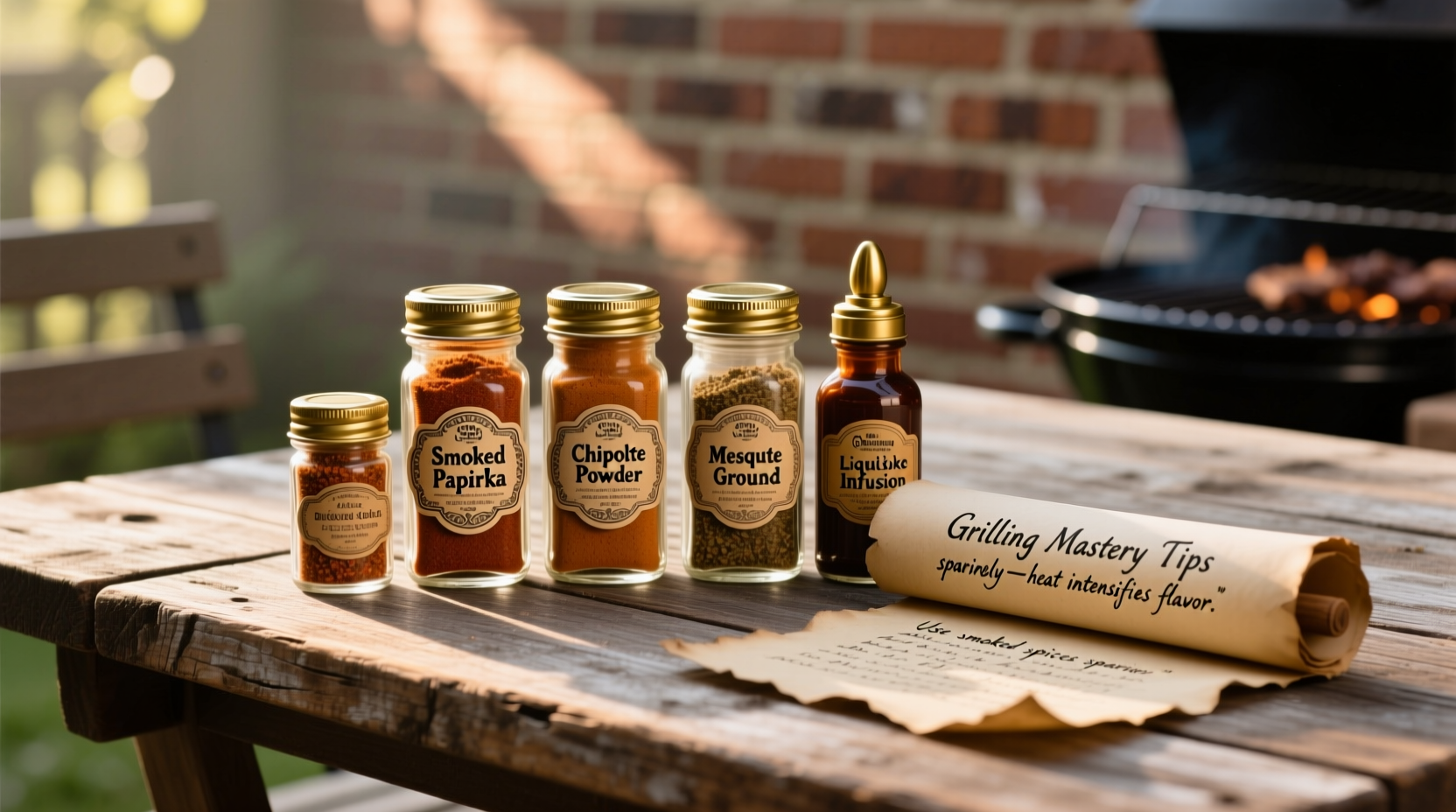
Spices are concentrated plant-derived seasonings—typically sourced from seeds, bark, roots, or fruits—that impart distinct aromas, colors, and tastes to food. In smoked grilling, they serve multiple roles: enhancing natural meat flavors, forming crusts (or “bark”) on slow-cooked proteins, balancing smoke intensity, and creating signature profiles unique to regional barbecue traditions. Unlike herbs, which are leafy and often used fresh, spices are almost always dried and shelf-stable, though their longevity is conditional on proper handling.
The synergy between smoke and spice is foundational. Smoke alone can overwhelm; spices temper and refine it. Consider Texas brisket rubbed with coarse black pepper and salt, or Memphis-style ribs dusted with paprika, garlic, and cumin—each profile relies on precise spice balance. However, using stale or improperly stored spices undermines these efforts, resulting in flat, one-dimensional results. Mastery begins not at the grill, but in the pantry.
Key Characteristics of Common Smoked Grilling Spices
Understanding individual spice properties helps in selecting, combining, and storing them appropriately. Below is a breakdown of essential spices frequently used in smoked grilling:
| Spice | Flavor Profile | Aroma | Heat Level (Scoville) | Culinary Function | Shelf Life (Properly Stored) |
|---|---|---|---|---|---|
| Black Pepper | Pungent, woody, slightly floral | Sharp, citrusy notes | 10,000–50,000 SHU | Adds bite, enhances savoriness | 3–4 years (whole), 1–2 years (ground) |
| Paprika (Sweet) | Earthy, sweet, mildly bitter | Rich, roasted pepper scent | 100–500 SHU | Color, base for rubs, mild sweetness | 2–3 years |
| Smoked Paprika | Deeply smoky, slightly sweet | Charred wood, campfire-like | 100–2,000 SHU (varies by type) | Amplifies smoke without liquid smoke | 2 years |
| Garlic Powder | Savory, umami-rich, pungent when heated | Dried allium, toasted onion | Non-pungent (but strong flavor) | Background depth, Maillard enhancement | 3 years |
| Onion Powder | Sweet, savory, caramelized notes | Toasted shallot, dried chive | Non-pungent | Balances heat, adds sweetness | 3–4 years |
| Cumin (Ground) | Earthy, nutty, warm bitterness | Musky, slightly metallic | Non-pungent | Complexity in chili-based rubs | 2 years |
| Cayenne Pepper | Sharp, bright heat | Pungent, slightly fruity | 30,000–50,000 SHU | Controlled heat, accelerates bark formation | 2 years |
| Mustard Powder | Sharp, tangy, slightly bitter | Piquant, sinus-clearing | Low heat (irritant, not spicy) | Binder for rubs, tenderizes surface | 2–3 years |
Practical Usage: How to Use Spices Effectively in Smoked Grilling
Using spices correctly goes beyond sprinkling them onto meat. Their application affects texture, adhesion, smoke absorption, and flavor development throughout the cook.
Rub Formulation: A balanced dry rub typically includes salt (for moisture control and penetration), a primary flavor agent (like paprika or pepper), an aromatic (garlic or onion powder), and optional heat (cayenne). A standard ratio for a 1-cup rub is:
- ½ cup kosher salt
- ¼ cup coarse black pepper
- 2 tbsp smoked paprika
- 1 tbsp garlic powder
- 1 tbsp onion powder
- 1 tsp cayenne (adjust to heat preference)
- 1 tsp ground cumin (optional for Southwestern profiles)
Apply the rub generously to well-dried meat surfaces at least 1 hour before smoking—ideally 12 to 24 hours in advance, refrigerated. This allows salt to penetrate and begin denaturing surface proteins, promoting bark formation.
Layering Flavors: Introduce spices at different stages. For example:
- Pre-smoke: Apply dry rub to raw meat.
- Mid-cook: Spritz with apple juice or vinegar solution containing dissolved mustard powder or ground coriander to refresh surface flavor and aid smoke adhesion.
- Post-smoke: Finish with a light dusting of freshly cracked black pepper or smoked paprika for aromatic lift.
Smoke Compatibility: Match spice intensity to smoke density. Strong woods like hickory or mesquite pair well with robust spices—black pepper, cumin, garlic. Milder woods like apple or cherry suit delicate profiles such as coriander, fennel seed, or celery seed. Overpowering either element leads to imbalance.
TIP: Toast whole spices (e.g., cumin seeds, coriander, black peppercorns) in a dry skillet over medium-low heat until fragrant—about 2–3 minutes—before grinding. This releases volatile oils, significantly boosting aroma and depth in homemade rubs.
Variants & Types: Whole vs. Ground, Regional Blends
Spices come in various forms, each with distinct advantages and best-use scenarios in smoked grilling.
Whole Spices
Peppercorns, cumin seeds, coriander, mustard seeds, and allspice berries retain flavor far longer than pre-ground versions. Their cell walls remain intact, protecting essential oils from oxidation. Ideal for custom rubs, brines, and smoking sachets. Use a mortar and pestle or spice grinder to crush just before use.
Ground Spices
Convenient and fast-acting, but lose potency quickly. Best used within six months of grinding. Store in small quantities and replenish frequently. Avoid supermarket jars with indistinct packaging dates.
Regional Rub Variants
Different barbecue traditions emphasize unique spice combinations:
- Texas: Coarse salt and black pepper dominant, minimal sugar, heavy on cracked pepper.
- Kansas City: Balanced sweet-savory profile with brown sugar, paprika, garlic, and mustard.
- Carolina (Eastern): Vinegar-based with crushed red pepper, black pepper, and no sugar.
- Memphis: Complex dry rubs featuring paprika, cumin, garlic, onion, and cayenne, often with a hint of cinnamon or clove.
Adapt blends to your smoker type and fuel source. Offset smokers handle bold spices well; electric smokers benefit from extra seasoning due to milder smoke output.
Comparison with Similar Ingredients
Confusion often arises between similar-looking or -named spices. Knowing the differences ensures accurate flavor outcomes.
| Spice Pair | Key Differences | Best Used In |
|---|---|---|
| Smoked Paprika vs. Regular Paprika | Smoked paprika is dried over oak fires, imparting intense smokiness; regular paprika is air-dried and sweeter, less complex. | Use smoked for authenticity in rubs; regular for color without smoke interference. |
| Garlic Powder vs. Granulated Garlic | Powder is finer, dissolves faster; granules are coarser, provide texture and slower release. | Powder for even distribution; granules for crust formation. |
| Onion Powder vs. Onion Salt | Onion salt contains ~50% salt; using it interchangeably alters sodium levels. | Use onion powder when controlling salt; onion salt only if adjusting overall salt content. |
| Chili Powder vs. Cayenne | Chili powder is a blend (often cumin, garlic, oregano); cayenne is pure ground capsicum. | Cayenne for heat; chili powder for complexity and moderate warmth. |
Practical Tips & FAQs
How long do spices really last?
Whole spices: 3–4 years. Ground spices: 2–3 years. Dried herbs: 1–3 years. However, peak flavor occurs within the first year of grinding. After that, gradual degradation dulls aroma and impact. Perform a sniff test: if a spice has little scent, it contributes little flavor.
What’s the best way to store spices?
Keep spices in airtight glass or metal containers, away from heat, light, and moisture. Avoid storing above the stove or near the dishwasher. Ideal conditions: cool (below 70°F/21°C), dark, dry. Never refrigerate unless in extremely humid climates—and then only if sealed against condensation.
Can I revive old spices?
No. Once volatile oils evaporate, they cannot be restored. Freezing does not rejuvenate flavor. The only effective strategy is prevention through proper storage and rotation.
Should I buy spices in bulk?
Only if you use them frequently. Large quantities degrade faster once opened. Purchase smaller amounts from reputable sources with clear milling or packaging dates. Specialty spice shops or online vendors (e.g., Spice House, Burlap & Barrel) often offer fresher inventory than supermarkets.
Is it worth grinding my own spices?
Yes, especially for black pepper, cumin, coriander, and mustard seed. A high-quality burr grinder dedicated to spices preserves consistency and maximizes oil release. Pre-ground pepper loses up to 80% of its volatile compounds within an hour of grinding.
How much spice should I use on meat?
A general rule: ½ to 1 teaspoon of rub per pound of meat. Adjust based on rub composition—high-salt blends need less; sugar-heavy rubs risk burning at prolonged smokes. Always apply evenly and press gently to ensure adhesion.
Can I use fresh herbs instead of dried spices?
Fresh herbs burn easily and don’t contribute to bark. They’re better suited for post-grill garnishes or compound butters. Spices provide the concentrated, heat-stable backbone needed for smoked applications.
PRO TIP: Create a \"spice log\" to track purchase and opening dates. Rotate stock using FIFO (First In, First Out). Label jars with both contents and date opened. Replace ground spices every 18 months, regardless of appearance.
\"The difference between good barbecue and great barbecue often comes down to the condition of the spice cabinet. Fresh, vibrant spices don't just add flavor—they complete the story the smoke begins.\" — Melissa Cruz, Executive Pitmaster, Oak & Ember BBQ
Summary & Key Takeaways
Mastering smoked grill flavors requires equal attention to fire, technique, and ingredient integrity. Spices are not mere afterthoughts; they are critical components that shape the sensory experience of barbecue. To achieve consistent, restaurant-quality results, prioritize the following:
- Use whole spices whenever possible, grinding them fresh to preserve volatile oils and maximize aroma.
- Store spices properly: in opaque, airtight containers, away from heat and sunlight.
- Rotate inventory regularly, replacing ground spices every 18–24 months and tracking usage with labeled jars.
- Match spice profiles to wood types and regional styles for balanced, authentic results.
- Layer spices throughout the cook—pre-rub, spritz, and finish—for multidimensional flavor.
- Avoid substitutions that alter sodium or heat levels unintentionally (e.g., onion salt for onion powder).
Ultimately, the most sophisticated smoker setup will underperform if fueled by lifeless spices. Treat your spice collection with the same care as your knives or thermometer. Invest in quality, manage storage meticulously, and taste-test blends before applying. With these practices, you’ll transform smoked grilling from guesswork into a repeatable craft—one rich with aroma, depth, and satisfaction.
Ready to elevate your next smoke? Audit your spice cabinet today: discard anything older than two years, invest in a small grinder, and formulate a fresh rub using the ratios outlined here. Taste the difference freshness makes.




 浙公网安备
33010002000092号
浙公网安备
33010002000092号 浙B2-20120091-4
Comments
No comments yet. Why don't you start the discussion?