
Social competence isn’t an innate gift reserved for the charismatic few. It’s a learnable skill—one that shapes careers, relationships, and personal fulfillment. Drawing from Leil Lowndes’ classic guide *How to Talk to Anyone: 92 Little Tricks*, this article distills the most effective, research-backed techniques into practical strategies you can apply immediately. Whether you’re navigating networking events, first dates, or everyday conversations, these methods help you connect more authentically, project confidence, and leave lasting positive impressions.
1. The Power of Presence: How to Make People Feel Valued
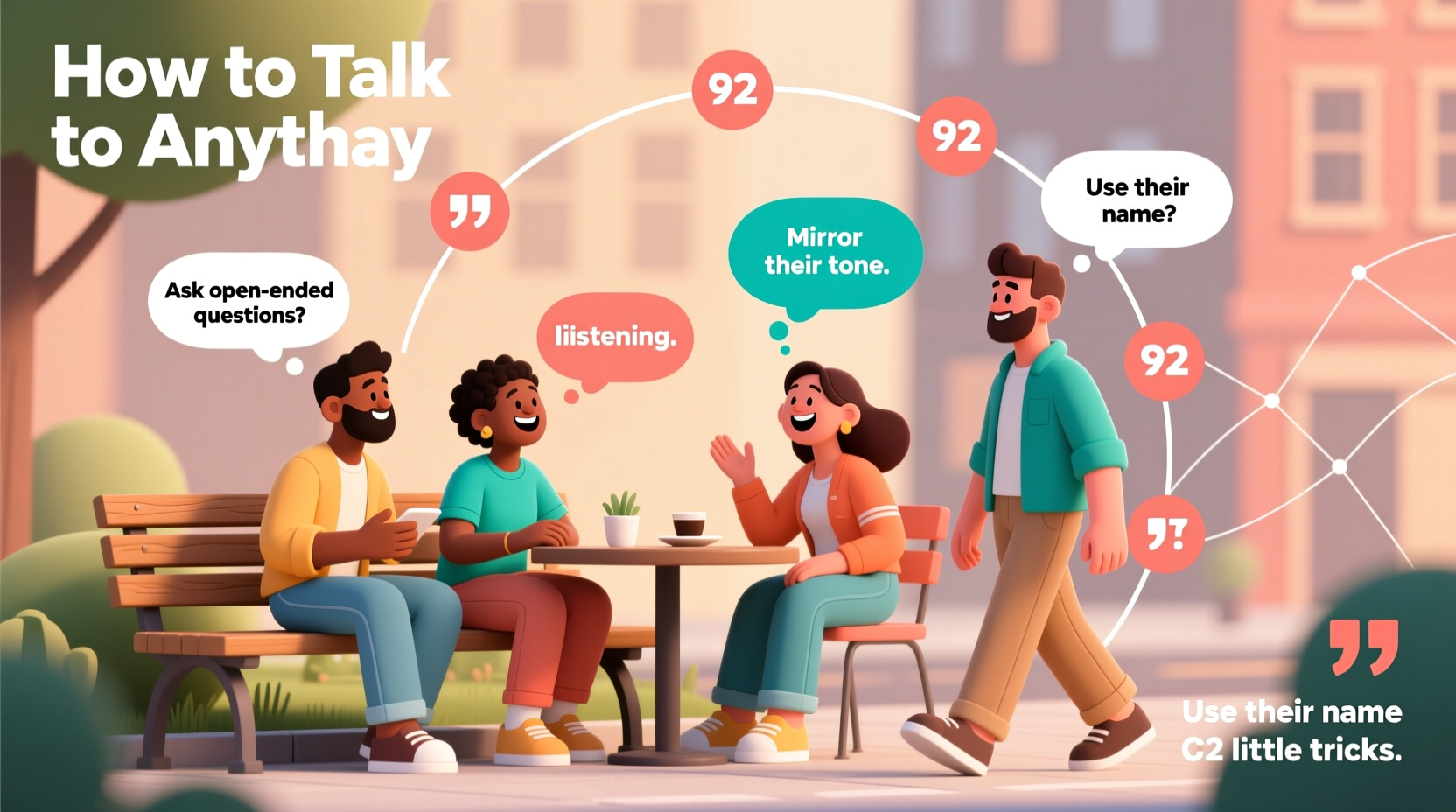
One of the most overlooked aspects of social success is presence—being fully engaged in the moment with another person. Many people listen only to respond, not to understand. True connection begins when others feel seen and heard.
Lowndes emphasizes the “Flooding Smile,” a technique where you light up your face slowly upon seeing someone, as if genuinely delighted. This small gesture signals warmth and openness before a single word is spoken. Combine it with a slight pause before responding in conversation—this shows thoughtfulness and gives the speaker space to feel acknowledged.
Another key behavior is minimizing distractions. Put your phone away, turn slightly toward the person, and avoid scanning the room. These micro-behaviors signal respect and interest, which build trust rapidly.
2. Body Language That Builds Instant Rapport
Your body speaks before your mouth does. According to studies, over 70% of communication is nonverbal. Mastering subtle physical cues can dramatically improve how you're perceived.
One of Lowndes’ standout tricks is the “Sticky Gaze.” When saying goodbye, hold eye contact a beat longer than usual while smiling. This creates a sense of emotional lingering, making the interaction feel more meaningful.
Equally powerful is matching the other person’s posture and energy level—a technique known as mirroring. If they lean forward, do the same after a few moments. If their voice is calm, lower your tone accordingly. This subconscious synchronization fosters comfort and likability.
“We are drawn to people who reflect us. Mirroring isn't mimicry—it's empathy in motion.” — Dr. Mark Frank, Nonverbal Communication Researcher, University at Buffalo
| Body Language Cue | Do | Avoid |
|---|---|---|
| Eye Contact | Hold 60–70% of the time; soften gaze occasionally | Staring intensely or looking away too often |
| Posture | Stand tall, open shoulders, hands visible | Crossed arms, slouching, hands in pockets |
| Facial Expression | Smile with eyes (Duchenne smile), raise eyebrows slightly when greeting | Forced smiles, blank expressions |
| Proximity | Maintain 1.5–3 feet in casual settings | Invading personal space or standing too far |
3. Conversation Hacks That Keep Dialogue Flowing
Great conversationalists don’t rely on charisma alone—they use structure. One of the most practical frameworks from Lowndes is the “Echo” technique: repeat the last few words someone said as a question, prompting them to elaborate.
For example:
- Them: “I just got back from a trip to Portugal.”
- You: “Portugal?”
This simple echo invites storytelling without interrogation. It feels natural and keeps focus on the other person—where rapport grows fastest.
Another powerful trick is using “warm-up questions” instead of cold ones. Instead of “What do you do?” try, “What’s been the highlight of your week?” This shifts the tone from transactional to relational.
4. Building Confidence Through Small Wins
Confidence in social settings isn’t about being extroverted—it’s about accumulating successful interactions. Start small. Commit to one micro-goal per day: compliment a barista, ask a colleague about their weekend, or make eye contact with three strangers.
Track these wins in a journal. Over time, your brain begins to associate socializing with safety and reward, reducing anxiety. This aligns with behavioral psychology principles: repeated exposure builds self-efficacy.
One real-world example: James, a software developer uncomfortable at office mixers, began using just two tricks from Lowndes’ book—the Flooding Smile and the Echo Question. At his next team event, he greeted three coworkers with warm eye contact and used echoes to draw out their stories. Two later approached him for lunch. He hadn’t transformed overnight—but he’d created momentum.
The lesson? Mastery comes not from perfection, but from consistent, intentional practice.
5. A Step-by-Step Guide to Navigating Any Social Situation
When entering unfamiliar social territory, follow this five-step process rooted in Lowndes’ techniques:
- Prepare Mentally: Before arriving, set an intention—e.g., “I will speak to three new people.” Avoid outcome-based goals like “I want them to like me.” Focus on behavior, not approval.
- Open Warmly: Use the Flooding Smile and a simple opener: “Hi, I’m [Name]. I don’t think we’ve met!” Pair it with a relaxed handshake or nod.
- Listen Actively: Apply the Echo and Sticky Gaze. Let pauses exist—don’t rush to fill silence. Ask open-ended follow-ups: “What made you decide to do that?”
- Share Strategically: After they’ve spoken, offer a brief, relevant personal insight—no monologues. Keep it balanced: 60% them, 40% you.
- Exit Gracefully: End with appreciation: “Really enjoyed talking—hope we cross paths again.” Use the Sticky Gaze as you walk away.
Checklist: Quick Social Skills Boosters
- ✅ Practice the Flooding Smile in the mirror until it feels natural
- ✅ Replace “How are you?” with “What’s been good lately?”
- ✅ Use the Echo technique in your next three conversations
- ✅ Maintain eye contact 60–70% of the time
- ✅ Mirror the posture and tone of the person you’re speaking with
- ✅ End interactions with a warm, lingering look and a sincere sign-off
Frequently Asked Questions
Isn’t this manipulation? Aren’t these tricks dishonest?
No—these techniques aren’t about deception. They’re about intentionality. Just as athletes train their bodies, socially skilled people train their interactions. Smiling, listening, and showing interest are only “tricks” if done insincerely. When rooted in genuine curiosity, they become tools for deeper connection.
I’m introverted. Will these tips still work for me?
Absolutely. Introverts often excel at deep listening and thoughtful responses—key ingredients in meaningful conversation. These tips don’t require extroversion; they require awareness. In fact, many of Lowndes’ techniques, like the Sticky Gaze and strategic pauses, play to introverted strengths.
How long does it take to see results?
Some changes are immediate. Try the Flooding Smile tomorrow and notice reactions. Lasting improvement comes with repetition—typically 4 to 6 weeks of consistent practice. Track small wins, and you’ll build both skill and confidence steadily.
Conclusion
Social mastery isn’t about becoming someone else—it’s about revealing your best self more consistently. The 92 tricks in Leil Lowndes’ book aren’t magic spells, but practical levers that shift how you’re perceived and how you connect. By focusing on presence, body language, conversational flow, and incremental confidence-building, you create a foundation for richer relationships and greater influence.




 浙公网安备
33010002000092号
浙公网安备
33010002000092号 浙B2-20120091-4
Comments
No comments yet. Why don't you start the discussion?