
A well-styled sofa can anchor a room, elevating the entire atmosphere of your living space. Yet, many overlook one of the most impactful design elements: cushion arrangement. Far from being an afterthought, the way you place and layer your cushions influences comfort, visual balance, and overall style. Whether you're furnishing a modern apartment or a cozy country home, mastering sofa cushion arrangements is essential for achieving that polished, lived-in look—effortless yet intentional.
The Foundation: Understanding Cushion Types and Sizes
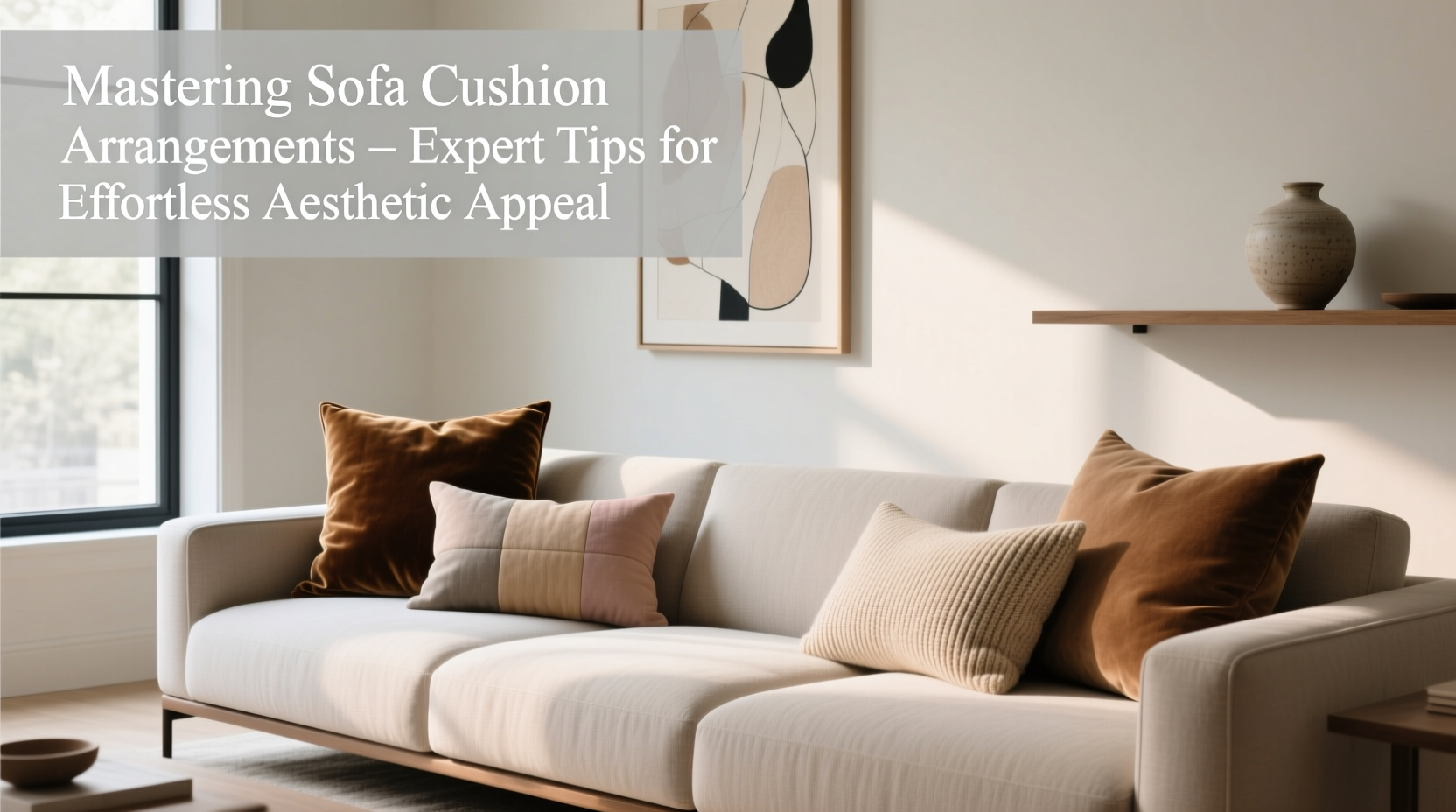
Before arranging, it’s crucial to understand the different types and sizes of cushions available. Most sofas benefit from a mix of shapes and proportions to create depth and interest. The standard categories include:
- Square cushions (18” x 18” or 20” x 20”): Ideal as base layers due to their stability and uniform shape.
- Bolster cushions (cylindrical): Add dimension and work well at the back row or as accent pieces.
- Lumbar cushions (long and narrow): Perfect for mid-back support and injecting horizontal lines into vertical compositions.
- Decorative inserts (22”+ square or patterned): Used sparingly as focal points to draw the eye.
A balanced arrangement typically combines two or more of these types. For example, using large square cushions at the corners, medium squares in the center, and a lumbar piece across the front creates both symmetry and comfort.
Design Principles for Visual Harmony
Creating aesthetic appeal isn’t just about tossing on colorful pillows—it’s about applying core design principles. These guide how colors, textures, and placements interact to produce a cohesive result.
Color Theory in Practice
Use a color palette rooted in your room’s existing scheme. A common approach is the 60-30-10 rule:
| Percentage | Role | Example Application |
|---|---|---|
| 60% | Dominant color (sofa fabric) | Neutral gray sofa |
| 30% | Secondary color (main cushions) | Two navy blue 20” cushions |
| 10% | Accent color (smaller cushions or trim) | One mustard yellow lumbar pillow |
Texture and Layering
Layering different fabrics—such as velvet, linen, wool, and cotton—adds tactile richness. Pair a nubby bouclé bolster with smooth cotton-linen blend squares to create contrast without clashing.
“We often forget that texture speaks as loudly as color. A single velvet cushion in a neutral tone can elevate an entire setup.” — Lena Torres, Interior Stylist & Author of *Effortless Living Spaces*
Step-by-Step Guide to Arranging Sofa Cushions
Follow this practical sequence to achieve a professionally styled look every time:
- Start with the base layer: Place your largest cushions at the ends of the sofa. These act as bookends and provide structure.
- Add middle anchors: Insert medium-sized cushions toward the center. Slightly angle them inward for a relaxed feel.
- Introduce shape variation: Add a cylindrical bolster behind the front row or a lumbar cushion across the seatback for contrast.
- Incorporate pattern or pop: Use one boldly patterned or brightly colored cushion as a focal point. Avoid placing it dead-center unless symmetry is desired.
- Fluff and adjust: Step back, view from multiple angles, and tweak spacing. Cushions should be evenly distributed but not rigidly spaced.
This method works whether you have a three-seater or sectional sofa. The key is maintaining balance—both visually and functionally.
Common Mistakes to Avoid
Even small missteps can disrupt an otherwise elegant arrangement. Here are frequent errors and how to correct them:
| Mistake | Why It Fails | How to Fix It |
|---|---|---|
| Too many patterns | Creates visual chaos; no clear focal point | Stick to one dominant pattern; use solids to ground it |
| Uniform size and shape | Lacks depth and feels static | Mix sizes and forms (e.g., square + lumbar) |
| Cushions pushed too far back | Looks unused and uncomfortable | Bring forward slightly; leave space for sitting |
| Overcrowding | No breathing room; hard to sit down | Less is more—max 5–6 cushions on a 3-seater |
Real-Life Example: Transforming a Dated Living Room
Sarah, a homeowner in Portland, struggled with a beige sectional that looked dull despite new paint and rugs. She added four 20” charcoal-gray linen cushions, two 18” cream textured ones, and a deep terracotta lumbar pillow. By placing the larger cushions at the ends, stacking one pair slightly askew, and positioning the lumbar forward, she created a layered, inviting look. The addition of a single tasseled throw blanket completed the vignette. Friends immediately commented on the “designer touch,” unaware it was achieved with just six cushions and thoughtful placement.
This case illustrates how strategic arrangement—not expensive furniture—can redefine a space.
Expert Checklist: Perfect Your Cushion Layout
Use this checklist each time you restyle your sofa:
- ☐ Assess the sofa size and number of seating zones
- ☐ Choose a cohesive color palette (include at least one neutral)
- ☐ Mix cushion sizes (e.g., 2 large, 2 medium, 1 lumbar)
- ☐ Incorporate at least two textures
- ☐ Limit bold patterns to one cushion maximum
- ☐ Fluff inserts and zip covers closed before styling
- ☐ Step back and evaluate balance from entry points
- ☐ Ensure cushions don’t obstruct seating functionality
Frequently Asked Questions
How many cushions should I use on a standard sofa?
For a three-seater sofa, 4 to 6 cushions offer visual impact without overcrowding. Larger sectionals may accommodate 6 to 8, depending on configuration. Always prioritize usability—leave enough space to sit comfortably.
Can I mix different cushion fills?
Yes, but with caution. Feather-filled cushions are plush and moldable, ideal for lounging, while polyester inserts hold shape better and require less maintenance. For a curated look, use feather-filled cushions in visible areas and firmer fills in high-use spots.
How do I keep my cushion covers clean and fresh?
Washable covers should be cleaned every 2–3 months, or more often in homes with pets or children. Always follow care labels. For non-removable covers, spot-clean gently with a damp cloth and mild detergent. Air out cushions monthly to prevent mustiness.
Final Thoughts: Style That Invites and Endures
Mastering sofa cushion arrangements is about blending aesthetics with intention. It’s not about perfection, but harmony—between colors, textures, and everyday usability. When done well, your sofa becomes more than a seat; it becomes a statement of comfort and taste. The most inviting interiors aren’t those devoid of clutter, but those where every element, down to the last pillow, feels purposefully placed.




 浙公网安备
33010002000092号
浙公网安备
33010002000092号 浙B2-20120091-4
Comments
No comments yet. Why don't you start the discussion?