
Chili peppers are among the most transformative ingredients in global cuisine—capable of elevating a dish from bland to brilliant with just a pinch or slice. Yet for many home cooks, their fiery reputation inspires hesitation. Mismanaged, chilies can overwhelm; mastered, they bring depth, brightness, and exhilarating heat that balances salt, acid, and umami. Whether you're seasoning a stew, crafting a salsa, or building layers in a curry, understanding how to wield chilies effectively is a cornerstone of confident cooking. This guide distills a decade of culinary experience into 10 essential principles for working with chilies across the heat spectrum, from sweet bell peppers to searing ghost chilies.
Definition & Overview
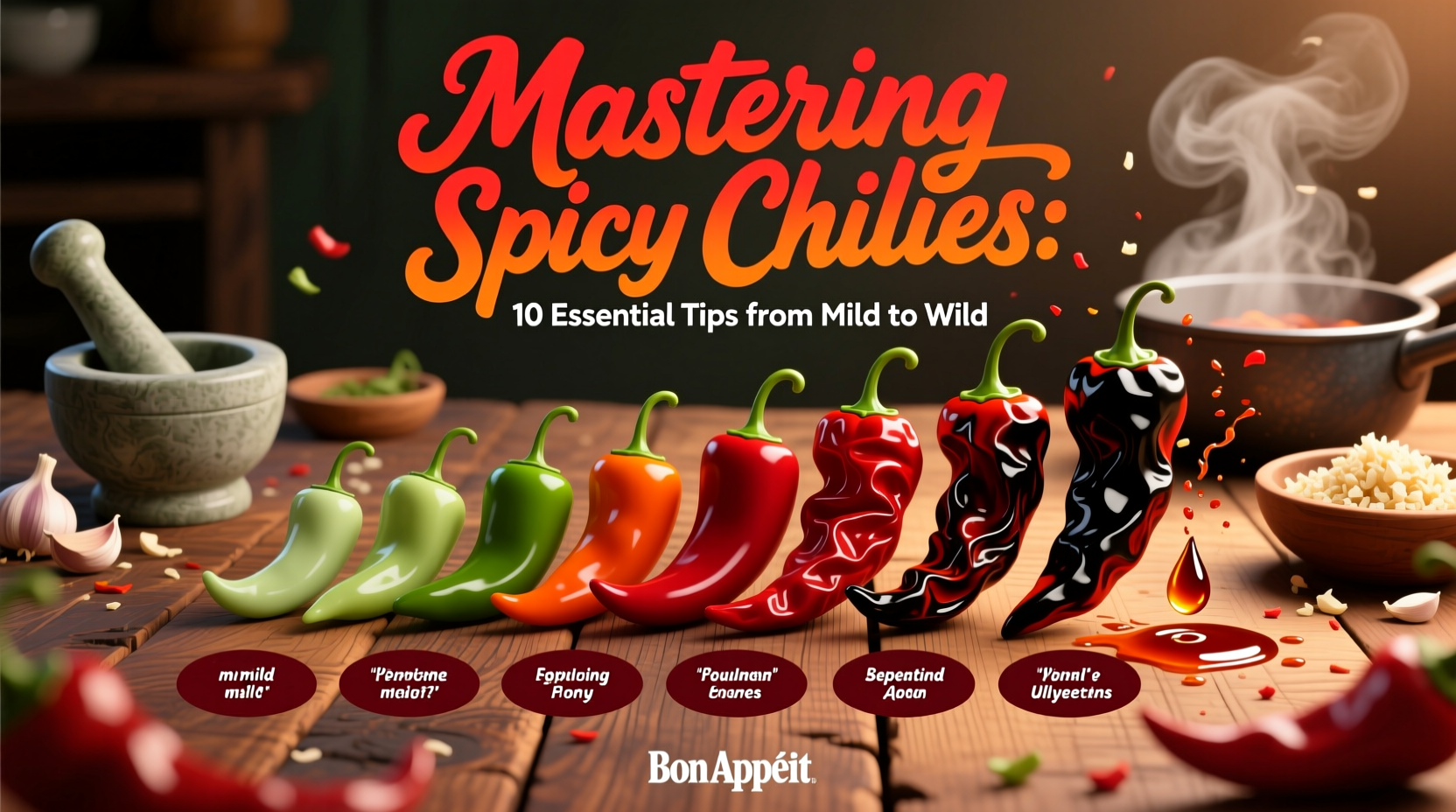
Chili peppers are members of the *Capsicum* genus, native to the Americas but now cultivated worldwide. They range dramatically in size, shape, color, and pungency, all governed by varying concentrations of capsaicin—the compound responsible for heat. While often categorized simply as “spicy,” chilies contribute far more than burn: they offer floral, smoky, fruity, earthy, and even vegetal notes depending on variety and preparation. From fresh jalapeños in Mexican salsas to dried Kashmiri chilies in Indian curries, their versatility is unmatched. The Scoville Heat Unit (SHU) scale quantifies their spiciness, ranging from 0 SHU (bell peppers) to over 1 million SHU (Carolina Reaper). Understanding this spectrum is the first step toward mastery.
Key Characteristics of Common Chili Peppers
Each chili brings distinct qualities to a dish. Below is a comparative overview of frequently used varieties:
| Chili Type | Scoville Range (SHU) | Flavor Profile | Color/Form | Culinary Function | Shelf Life (Fresh) |
|---|---|---|---|---|---|
| Bell Pepper | 0 | Sweet, grassy, crisp | Green, red, yellow, orange (fresh) | Bulk, texture, sweetness | 7–10 days |
| Poblano | 1,000–2,000 | Earthy, mildly bitter, lush | Dark green, large, heart-shaped | Stuffed, roasted, blended | 1 week |
| Jalapeño | 2,500–8,000 | Grassy, bright, slightly vegetal | Green or red, short, cylindrical | Fresh garnish, pickled, infused oils | 1–2 weeks |
| Serrano | 10,000–23,000 | Sharp, clean heat, citrusy | Green or red, slender, elongated | Raw salsas, hot sauces | 1–2 weeks |
| Thai Bird’s Eye | 50,000–100,000 | Piercing heat, floral, tropical | Small, upright, red or green | Curries, stir-fries, condiments | 2 weeks |
| Guajillo | 2,500–5,000 | Tangy, berry-like, tea-infused | Dried, mahogany-red, flat | Mojo, adobos, stews | 6–12 months (dried) |
| Chipotle (Smoked Jalapeño) | 5,000–10,000 | Smoky, sweet, leathery | Dried, wrinkled, brown | Barbecue, braises, rubs | 1 year (dried) |
| Habanero | 100,000–350,000 | Fruity, floral, explosive heat | Orange, lantern-shaped | Potential hazard if misused | 2–3 weeks |
10 Essential Tips for Mastering Spicy Chilies
1. Know the Heat Scale—And Respect It
The Scoville scale isn’t just trivia—it’s a practical tool. A habanero is over 100 times hotter than a typical jalapeño. Mistaking one for the other can ruin a dish. Always verify the expected heat level before use. When substituting, err on the side of caution: start with half the amount and taste incrementally. For precision, remove seeds and membranes (where most capsaicin resides) to reduce heat without sacrificing flavor.
Pro Tip: Use gloves when handling ultra-hot chilies like habaneros, Scotch bonnets, or ghost peppers. Capsaicin can linger on skin and transfer to eyes or mucous membranes, causing severe irritation.
2. Leverage Fresh vs. Dried Forms Strategically
Fresh chilies deliver bright, vegetal heat and are ideal for salsas, salads, and quick-cooking dishes. Dried chilies develop deeper, more complex flavors—smoky, raisiny, or tannic—and excel in slow-simmered sauces, moles, and spice blends. Rehydrating dried chilies in hot water for 15–20 minutes unlocks their full potential. After soaking, blend them into pastes or chop finely for integration.
3. Toast Dried Chilies for Depth
Toasting dried chilies in a dry skillet for 30–60 seconds per side intensifies their aroma and reduces bitterness. Watch closely—burnt chilies turn acrid. Once fragrant and slightly pliable, proceed to rehydration or grinding. This technique is foundational in Mexican and Southeast Asian cuisines, where layered heat defines authenticity.
4. Balance Heat with Complementary Elements
Heat should never dominate. It must harmonize. Sweetness (from onions, carrots, or fruit), fat (coconut milk, avocado, cheese), acidity (lime, vinegar, tamarind), and salt act as counterweights. In Thai green curry, palm sugar tempers bird’s eye chilies. In Mexican crema-topped tacos, cooling dairy offsets raw serranos. Always consider the full flavor profile, not just spiciness.
“Spice is not a punishment—it’s punctuation. Used well, it highlights, enhances, and excites.” — Chef Lila Mendoza, James Beard Finalist
5. Understand Regional Pairings
Chilies are cultural signifiers. Each region has signature pairings rooted in tradition and availability:
- Mexico: Smoked chipotles with cumin and oregano in adobo; fresh serranos in pico de gallo.
- Thailand: Bird’s eye chilies in fish sauce-lime dressings; prik haeng (dried chilies) in curries.
- India: Kashmiri chilies for color in tandoori; green chilies minced into chutneys.
- North Africa: Harissa made from Baklouti chilies with garlic and caraway.
Respect these traditions to achieve authentic results, then experiment with confidence.
6. Control Heat Distribution Through Prep
How you cut a chili affects its impact. Whole chilies added to soups infuse gradually and can be removed later. Thin slices release moderate heat. Minced chilies disperse evenly and build intensity. Pureed chilies—especially in oil-based sauces—create uniform, pervasive heat. For precise control, add chilies at different stages: early for mellow warmth, late for sharp bite.
7. Preserve Flavor with Proper Storage
Fresh chilies last longer when stored correctly. Keep them unwashed in a paper towel-lined container in the crisper drawer. Avoid plastic bags, which trap moisture and accelerate decay. For long-term use, freeze whole or sliced chilies—they lose texture but retain heat and flavor when cooked. Dried chilies should be kept in airtight jars away from light and heat. Label them with purchase dates; potency fades after 12 months.
8. Create Your Own Chili Blends
Custom blends outperform generic “chili powder.” Combine two or more dried chilies based on desired effect. For example:
- Smoky Blend: Ancho + Chipotle + Mulato
- Fruity Heat: Guajillo + Pasilla + small habanero
- Neutral Base: New Mexico + Arbol (for adjustable heat)
Grind in a dedicated spice grinder and store in dark glass jars. These blends become signature assets in your kitchen repertoire.
9. Use Fermented and Preserved Forms for Complexity
Fermentation transforms chilies, adding tang and umami. Gochujang (Korean fermented chili paste), doubanjiang (Chinese broad bean-chili paste), and fermented jalapeño brine deepen savory profiles. Pickled chilies—like escabeche-style jalapeños—offer acidity and controlled heat. Incorporate these into marinades, dressings, or as finishing touches.
10. Taste as You Go—And Adjust Thoughtfully
Over-spicing is common but fixable. If a dish becomes too hot, dilute with more base ingredients (broth, tomatoes, beans). Add fat (cream, yogurt, olive oil) or sweetness (honey, sugar, fruit) to mitigate burn. Acid (lemon juice, vinegar) can also help rebalance. Never serve a dish that overwhelms—adjustment is part of mastery.
Emergency Fix: Stir in a spoonful of peanut butter or tahini into an over-spiced curry. The nutty fat absorbs capsaicin and rounds out flavor.
Variants & Types: Choosing the Right Form
Chilies appear in multiple forms, each suited to specific applications:
Fresh Chilies
Ideal for raw applications and quick cooking. Best used within days of purchase. Examples: jalapeño, serrano, fresno, habanero.
Dried Chilies
Concentrated flavor and extended shelf life. Require rehydration or grinding. Ideal for sauces, stews, and spice mixes. Examples: guajillo, ancho, arbol, pasilla.
Ground Powders
Convenient but vary widely in quality. Commercial chili powder often contains fillers. Opt for single-origin powders (e.g., smoked paprika, Aleppo) or make your own from toasted, ground chilies.
Flakes and Crushed Chilies
Offer texture and visual appeal. Crushed red pepper is common in Italian-American cooking. Flakes from Calabrian or Urfa chilies add nuanced heat.
Pastes and Concentrates
Ready-to-use and deeply flavored. Includes gochujang, harissa, sambal oelek, and adobo sauce. Check labels for additives; high-quality versions contain only chilies, salt, vinegar, and aromatics.
Infused Oils and Vinegars
Deliver subtle, lingering heat. Homemade chili oil (toasted chilies in neutral oil) lasts months refrigerated. Avoid storing fresh chilies in oil at room temperature due to botulism risk.
Comparison with Similar Ingredients
Chilies are often confused with other pungent ingredients. Key distinctions:
| Ingredient | Heat Source | Flavor Profile | Best Used In | Substitution for Chilies? |
|---|---|---|---|---|
| Black Pepper | Piperine | Woody, sharp, warm | Finishing, seasoning meats | Limited—adds heat but no chili flavor |
| Horseradish | Allyl isothiocyanate | Sharp, nasal, fleeting | Cocktails, condiments, deli meats | No—different sensory experience |
| Wasabi | Same as horseradish | Green, pungent, short-lived | Sushi, soba, dipping sauces | No—distinctive and irreplaceable |
| Ginger | Gingerol | Warm, peppery, aromatic | Teas, stir-fries, baked goods | Partial—adds warmth but not capsaicin heat |
Unlike these, chili heat is persistent and builds on the tongue. Capsaicin binds to pain receptors, creating a lasting sensation that other spices cannot replicate.
Practical Tips & FAQs
Q: How do I reduce the heat of a chili without losing flavor?
A: Remove the inner white ribs and seeds—this eliminates up to 70% of the capsaicin while preserving the flesh’s flavor. Soaking sliced chilies in salted water or milk for 10 minutes can also temper intensity.
Q: Can I substitute fresh chilies for dried?
A: Yes, but adjust quantity. As a rule, 1 dried chili ≈ 1–2 fresh chilies in heat, but dried chilies have concentrated, less vegetal flavor. For pastes or sauces, dried are superior; for freshness, use raw.
Q: What’s the best way to handle extremely hot chilies safely?
A: Wear nitrile gloves, work in a ventilated area, and avoid touching your face. Clean cutting boards and knives immediately with soapy water. Consider using a small food processor to minimize contact.
Q: Which chilies are best for beginners?
A: Start with poblano (mild, earthy), Anaheim (gentle heat), or Fresno (similar to jalapeño but fruitier). These offer approachable heat with forgiving margins for error.
Q: How can I tell if a dried chili has gone bad?
A: Look for mold, excessive brittleness, or loss of aroma. A faded color and dusty appearance indicate diminished potency. Properly stored, dried chilies remain usable for up to a year.
Q: Are colorful chilies (yellow, purple, chocolate) just ornamental?
A: No. While some are bred for looks, many heirloom varieties like Chocolate Habanero or Purple Fatalii offer unique flavor-heat combinations. Treat them like standard types but expect nuanced differences.
Case Study: Building a Balanced Salsa
A chef preparing a roasted tomato salsa uses three chilies: 1 deseeded jalapeño for base heat, 1 small serrano (minced) for brightness, and a pinch of ground arbol for back-end warmth. The result? Layered spice that evolves on the palate—not a single punch. This principle applies to any dish: layer heat sources for complexity.
Summary & Key Takeaways
Mastering chilies isn't about enduring heat—it's about harnessing it. The ten principles outlined here form a framework for intelligent, creative use of one of the kitchen’s most powerful tools:
- Respect the Scoville scale and always start low.
- Use fresh chilies for brightness, dried for depth.
- Toast dried chilies to enhance aroma and reduce bitterness.
- Balance heat with fat, sugar, acid, and salt.
- Follow regional traditions to achieve authenticity.
- Control heat distribution through precise prep techniques.
- Store chilies properly to preserve potency and safety.
- Blend your own chili powders for superior flavor.
- Explore fermented and preserved forms for umami richness.
- Taste constantly and adjust with intention.
With practice, chilies become not a source of fear but a medium of expression. Whether you prefer gentle warmth or bold fire, the goal remains the same: to elevate flavor, not obscure it. Begin with one new chili per month. Taste it raw, roasted, dried. Note its behavior in different dishes. Soon, you’ll navigate the spectrum from mild to wild with confidence and creativity.
Challenge: This week, replace store-bought hot sauce with a simple homemade version: blend 4 roasted jalapeños, 1 clove garlic, 2 tbsp lime juice, ¼ cup water, and ½ tsp salt. Adjust to taste. Notice how freshness changes your perception of heat.




 浙公网安备
33010002000092号
浙公网安备
33010002000092号 浙B2-20120091-4
Comments
No comments yet. Why don't you start the discussion?