
Windbreakers are no longer just utilitarian outerwear reserved for sudden downpours or outdoor hikes. Today, they’re a cornerstone of smart, adaptable wardrobes—offering protection from the elements while serving as a sleek style statement. When layered thoughtfully, a windbreaker can elevate your look across seasons and settings. From urban commutes to weekend getaways, mastering how to integrate this versatile piece into layered ensembles unlocks both comfort and fashion-forward appeal.
The Windbreaker’s Role in Modern Layering
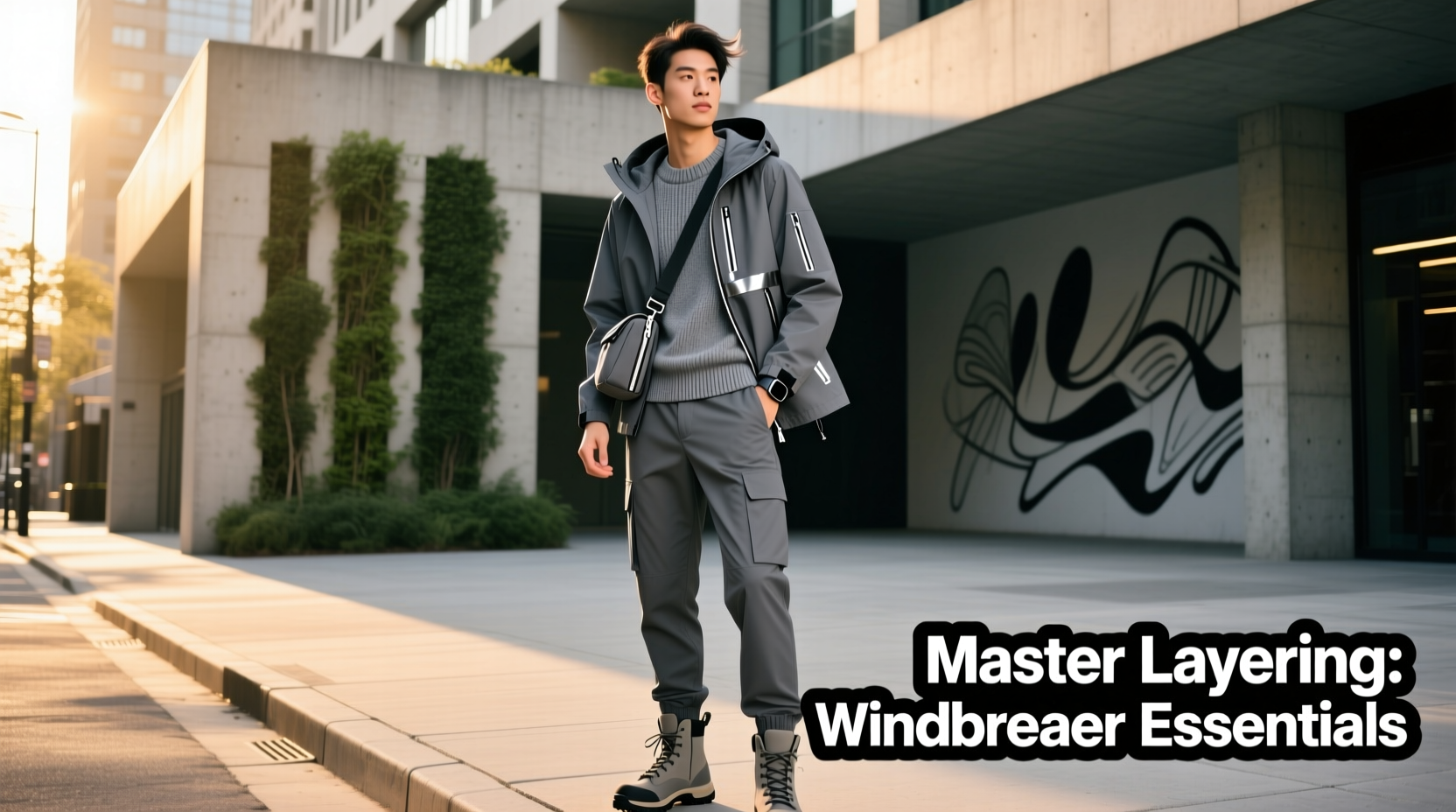
Originally designed to shield against wind and light rain without adding bulk, the modern windbreaker has evolved into a lightweight performance shell with aesthetic flexibility. Its breathable fabric, packable design, and clean silhouettes make it ideal for transitional weather and active lifestyles. But its true potential emerges when used as part of a deliberate layering strategy.
Layering isn’t just about warmth—it’s about creating depth, texture, and adaptability. A well-layered outfit allows you to adjust to changing temperatures throughout the day while maintaining visual interest. The windbreaker, positioned as an outer or mid-layer depending on climate, acts as both a protective barrier and a unifying element that ties different textures and colors together.
Essential Principles of Functional Layering
Effective layering follows a three-tier system: base, mid, and outer. Each layer serves a distinct purpose:
- Base Layer: Moisture-wicking and snug-fitting (e.g., cotton T-shirts, merino wool, or technical synthetics).
- Mid Layer: Insulating and breathable (e.g., fleece, lightweight sweaters, hoodies).
- Outer Layer: Weather-resistant and structured (e.g., windbreakers, rain shells, field jackets).
The key is balance—avoiding overheating while ensuring protection. With a windbreaker as your outer layer, opt for thinner mid-layers unless temperatures drop significantly. Overloading beneath a windbreaker can compromise mobility and silhouette, defeating the purpose of its streamlined design.
Material Matters
Not all windbreakers perform equally. Look for fabrics like ripstop nylon, polyester blends with DWR (durable water repellent) coating, or recycled performance textiles. These materials offer breathability, wind resistance, and quick-drying properties—critical for maintaining comfort during movement.
“Modern windbreakers bridge the gap between sportswear and streetwear. Their success in layered outfits depends on proportion and fabric compatibility.” — Lena Torres, Menswear Stylist & Urban Fashion Consultant
Outfit Ideas for Every Season
The beauty of the windbreaker lies in its seasonal adaptability. Below are practical, real-world outfit combinations that demonstrate how to wear it effectively across climates.
Spring: Light Protection with Style
- Base: Lightweight cotton T-shirt or long-sleeve henley
- Mid: None (optional: open flannel shirt)
- Outer: Packable windbreaker in pastel or earth tone
- Bottoms: Chinos or relaxed denim
- Footwear: Minimalist sneakers or canvas shoes
This combination handles cool mornings and breezy afternoons while keeping the look fresh and casual.
Summer: UV and Rain Defense
- Base: Breathable linen shirt or moisture-wicking athletic tee
- Mid: Optional mesh vest for sun protection
- Outer: Ultra-lightweight, vented windbreaker (worn only when needed)
- Bottoms: Shorts or cropped trousers
- Footwear: Trail runners or espadrilles
Fall: Transitional Warmth
- Base: Thermal long-sleeve or merino blend
- Mid: Fleece pullover or hoodie
- Outer: Slightly heavier windbreaker with storm flap and adjustable hood
- Bottoms: Slim-fit jeans or utility pants
- Footwear: Leather boots or high-top sneakers
This setup provides insulation while allowing ventilation under moderate activity. The windbreaker cuts wind chill without trapping excess heat.
Winter: Reinforced Defense (Urban Use)
- Base: Thermal top and bottom
- Mid: Wool sweater or insulated vest
- Outer: Windbreaker worn *under* a heavy coat (for added wind resistance) or over layers in milder winter zones
- Bottoms: Thermal-lined trousers or layered joggers
- Footwear: Waterproof boots
In colder cities where extreme cold is brief but wind is constant, using a windbreaker beneath a wool coat enhances thermal efficiency by blocking convective heat loss.
Do’s and Don’ts of Windbreaker Layering
| Do’s | Don’ts |
|---|---|
| Match sleeve length—ensure inner layers don’t extend past the windbreaker cuff | Wear bulky hoodies underneath that distort the jacket’s shape |
| Use tonal layering—build outfits within a single color family for cohesion | Mix too many patterns; keep prints subtle and limited to one layer |
| Ventilate strategically—zip halfway for airflow when active | Leave the hem untucked if wearing over dressier pieces; maintain clean lines |
| Choose windbreakers with underarm zips or back vents for breathability | Ignore fit—always allow room for one mid-layer without tightness |
Step-by-Step Guide: Building a Layered Windbreaker Look
Follow this sequence to create balanced, functional, and stylish ensembles:
- Assess the conditions: Check temperature, wind speed, and expected precipitation.
- Select your base: Pick a breathable, close-fitting top that manages moisture.
- Add insulation (if needed): Introduce a mid-layer only if temps are below 60°F (15°C).
- Choose your windbreaker: Ensure it fits comfortably over your layers with slight ease.
- Coordinate bottoms and footwear: Match the formality and function of your upper half.
- Test mobility: Raise your arms, bend at the waist—confirm no restriction.
- Evaluate aesthetics: Step back and check proportions, color harmony, and visual flow.
Real-World Example: Commuting in Variable Weather
Jamal lives in Seattle, where mornings are damp and afternoons often clear. His work commute includes biking and walking. He wears a moisture-wicking merino T-shirt, a lightweight quarter-zip fleece, and a matte-black windbreaker with pit zips. The layers regulate his body temperature during exertion, and he removes the windbreaker once indoors, folding it into his bike bag. At lunch, he re-applies it when stepping outside. This system keeps him dry, warm, and polished without needing multiple jackets.
His choice of a minimalist windbreaker—free of logos and bright colors—allows it to transition seamlessly from casual ride gear to office-appropriate outerwear.
Checklist: Optimize Your Windbreaker Layering
- ✅ Confirm the windbreaker fits over your intended mid-layer
- ✅ Prioritize breathability features (pit zips, mesh lining, back vents)
- ✅ Stick to a cohesive color palette across layers
- ✅ Avoid excessive volume—keep silhouettes streamlined
- ✅ Pack it when traveling or commuting for emergency use
- ✅ Clean according to care label to preserve water-repellent finish
Frequently Asked Questions
Can I wear a windbreaker over a sweater?
Yes, provided the sweater is thin or medium-weight (e.g., cashmere blend, fine-knit merino). Bulky cable knits may strain zippers or distort the jacket’s cut. If in doubt, size up in the windbreaker or choose a more generous fit.
Are windbreakers appropriate for formal settings?
Not typically as standalone outerwear, but in smart-casual environments—especially outdoors—they work when styled deliberately. Pair a sleek, dark windbreaker with tailored chinos, a button-down shirt, and clean leather sneakers for a modern, understated look.
How do I prevent my windbreaker from looking “sporty”?
Opt for muted colors, clean lines, and minimal branding. Layer it over non-athletic pieces like Oxford shirts, roll-neck sweaters, or unstructured blazers. Footwear also plays a role—swap running shoes for Chelsea boots or loafers to shift the vibe toward refinement.
Final Thoughts: Elevate Function with Intention
Mastering layering with a windbreaker isn’t about stacking clothes—it’s about designing adaptable systems that respond to environment, activity, and personal style. Whether navigating city streets or exploring nature trails, the right combination turns a simple jacket into a dynamic tool for comfort and confidence.




 浙公网安备
33010002000092号
浙公网安备
33010002000092号 浙B2-20120091-4
Comments
No comments yet. Why don't you start the discussion?