
A well-fitting suit does more than just look sharp—it transforms how you carry yourself. Confidence, posture, and presence all improve when clothing aligns with your physique. Yet, too many men wear suits that were chosen based on trends or convenience rather than fit and proportion. The key to a flawless appearance lies not in the brand or price tag, but in understanding how to match a suit’s cut, fabric, and structure to your unique body shape.
Suiting is not one-size-fits-all. What works for a tall, broad-shouldered man may overwhelm someone shorter or slimmer. Ignoring body proportions leads to unflattering silhouettes—bunched fabric, awkward shoulder lines, or pants that break too early or too late. With the right guidance, however, any man can find a suit that enhances his natural build and elevates his personal style.
Understanding Your Body Type
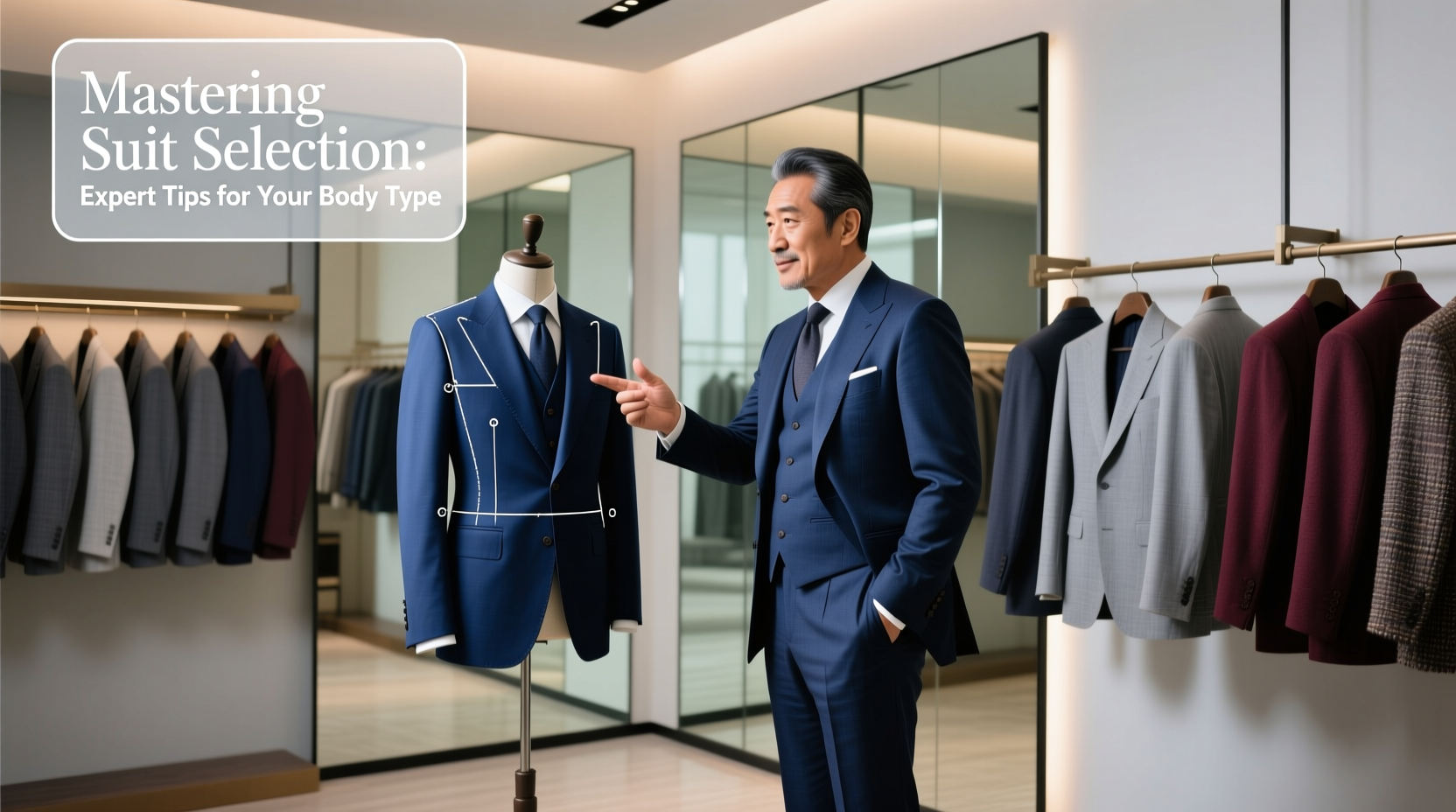
The foundation of suit mastery begins with honest self-assessment. There are five primary male body types: athletic, slim, stocky, tall, and short. Each has distinct characteristics that influence how a suit should be constructed and worn.
- Athletic (V-shaped): Broad shoulders, narrow waist, muscular build. Ideal for structured jackets that emphasize the torso.
- Slim (Rectangular): Minimal waist definition, straight silhouette. Benefits from soft tailoring and subtle padding.
- Stocky (Apple-shaped): Fuller midsection, broader hips. Requires longer jackets and higher armholes to maintain balance.
- Tall: Long limbs, extended torso. Needs extra length in sleeves and trouser inseam without sacrificing waistline clarity.
- Short: Compact frame, shorter legs. Proportions must avoid overwhelming the frame; shorter jacket lengths help.
Knowing where you fall helps eliminate unsuitable cuts before trying anything on. For example, double-breasted suits often suit athletic builds but can visually shorten a stocky figure. Similarly, high-waisted trousers flatter shorter men by elongating the leg line.
The Role of Suit Cut and Structure
Cut refers to how the suit is shaped through the chest, waist, and shoulders. Structure defines the internal framework—padding, canvassing, and lining—that determines drape and durability. Together, they determine whether a suit enhances or distorts your form.
Three main cuts dominate modern suiting:
- Slim Fit: Tapered through the chest and waist. Best for slim or athletic builds. Avoid if you have a larger midsection.
- Classic/Regular Fit: Balanced room throughout. Versatile for most body types, especially stocky or taller frames.
- Modern Fit: A hybrid between slim and classic. Offers movement while maintaining shape. Ideal for transitional builds.
Structure matters just as much. Full-canvas suits mold to your body over time and breathe better than fused counterparts. Half-canvassed jackets offer a middle ground—lightweight yet durable. For heavier builds, full canvas supports weight distribution. Slimmer men benefit from lighter construction to avoid appearing swallowed by fabric.
“Fit isn’t just about measurements—it’s about proportion. A suit should follow the body’s natural lines, not fight them.” — Daniel Reyes, Master Tailor, Savile Row Atelier
Fabric, Color, and Pattern Guidelines
Once cut and structure are addressed, fabric choice becomes critical. Weight, texture, and color affect both appearance and function.
| Body Type | Recommended Fabric Weight | Best Colors & Patterns |
|---|---|---|
| Slim / Short | Light to medium (8–10 oz) | Solid navy, charcoal; subtle pinstripes |
| Athletic | Medium (9–11 oz) | Deep blues, greys; windowpanes or houndstooth |
| Stocky / Tall | Medium-heavy (10–12 oz) | Solids or vertical stripes; avoid bold checks |
Darker colors recede visually, making them ideal for emphasizing vertical lines or minimizing width. Lighter shades expand perception—useful for slim men wanting more presence. Vertical patterns elongate; horizontal ones widen. Subtle textures like birdseye or sharkskin add depth without drawing attention to problem areas.
Seasonal Considerations
Linen and tropical wool (under 9 oz) work best in warm climates but wrinkle easily. Winter calls for flannel or heavy worsted wools (12+ oz). Year-round versatility comes from 9–11 oz Super 110–130 wool—breathable, durable, and professional.
Step-by-Step Guide to Finding Your Perfect Suit
Selecting the ideal suit doesn’t happen overnight. Follow this timeline to ensure precision and satisfaction:
- Week 1: Assess Your Body Type – Take measurements (chest, waist, hips, sleeve, inseam) and observe proportions in natural light.
- Week 2: Research Cuts & Brands – Identify brands known for cuts suited to your frame (e.g., Canali for fuller figures, Brioni for athletic).
- Week 3: Try On Three Different Styles – Visit a tailor or boutique. Test slim, modern, and classic fits in similar fabrics.
- Week 4: Evaluate Fit Details – Check shoulder seams, button tension, sleeve length, trouser break. Note which elements feel restrictive or loose.
- Week 5: Invest in Tailoring – Even off-the-rack suits need adjustments. Budget $75–$150 for hemming, waist suppression, and sleeve shortening.
Avoiding Common Fitting Mistakes
Even experienced buyers fall into traps. These errors undermine an otherwise excellent suit:
- Shoulders that gap or pull: Indicates incorrect shoulder width. Never buy a suit that doesn’t fit here—it cannot be altered.
- Pants that bunch at the ankle: Too much fabric. Aim for a slight break or no break for modern looks.
- Jacket buttons straining: Waist suppression is too tight. You should close the top button without tugging.
- Sleeves riding up when arms are raised: Armhole placement is wrong. This restricts movement and wrinkles the back.
When in doubt, prioritize mobility. A suit should allow you to raise your arms comfortably and sit without pulling across the back.
Mini Case Study: Transforming a Stocky Frame
James, 42, had avoided suits for years, believing they made him look heavier. At 5'8\" and 210 lbs with a broader midsection, he consistently chose oversized off-the-rack options “to leave room.” The result was sloppy—a drowning effect with drooping shoulders and baggy trousers.
After consulting a tailor, James switched to a longer-line, single-breasted navy suit in a 10.5 oz wool blend. The jacket hit just below the seat, creating a vertical line. His trousers were high-waisted with a flat front and minimal break. The tailored waist suppression created shape without constriction. Paired with a dark tie and black oxfords, the new suit gave him a balanced, authoritative look. Colleagues noticed immediately: “You look ten pounds lighter,” one said. It wasn’t weight loss—it was proportion.
Essential Suit Selection Checklist
Before purchasing, verify these points:
- ✅ Shoulder seams align exactly with the edge of your shoulders
- ✅ Jacket collar lies flat against the shirt
- ✅ Top button closes without strain; bottom remains open
- ✅ Sleeves end at the wrist bone, showing 1/4” to 1/2” of shirt cuff
- ✅ Trouser length creates a slight break or clean rise over shoes
- ✅ No pulling across the back when seated
- ✅ Lapel roll is smooth and natural (no “bubble” at the buttonhole)
FAQ
Can I wear a slim-fit suit if I’m overweight?
Only if it fits properly. A slim fit that strains is worse than a well-tailored regular fit. Focus on clean lines and vertical emphasis rather than tightness.
How many suits should a man own?
Three core suits cover most needs: navy (versatile), charcoal grey (formal), and a patterned or seasonal option (e.g., check or linen). Add more based on profession and lifestyle.
Is bespoke worth it for average builds?
If budget allows, yes. Even men with standard proportions benefit from personalized shoulder pitch, sleeve twist, and stance alignment—details off-the-rack ignores.
Final Thoughts
Mastering suit selection isn’t about chasing fashion—it’s about mastering fit. When your suit complements your body instead of competing with it, the results are transformative. You stand taller, speak with more assurance, and command space differently. Whether you’re dressing for a job interview, wedding, or daily office wear, the right suit becomes an extension of your identity.




 浙公网安备
33010002000092号
浙公网安备
33010002000092号 浙B2-20120091-4
Comments
No comments yet. Why don't you start the discussion?