
A well-fitted suit does more than just cover the body—it transforms presence. It shapes perception, commands attention, and instills confidence. Yet, too many men wear suits that were chosen based on trends or generic sizing rather than their unique body structure. The truth is, no two bodies are identical, and a one-size-fits-all approach fails in tailoring. Mastering suit selection means understanding how to align cut, fabric, and proportion with your physique. Whether you're broad-shouldered, shorter in stature, or carrying weight through the midsection, the right suit can balance and elevate your silhouette.
The Importance of Body-Aware Suit Selection
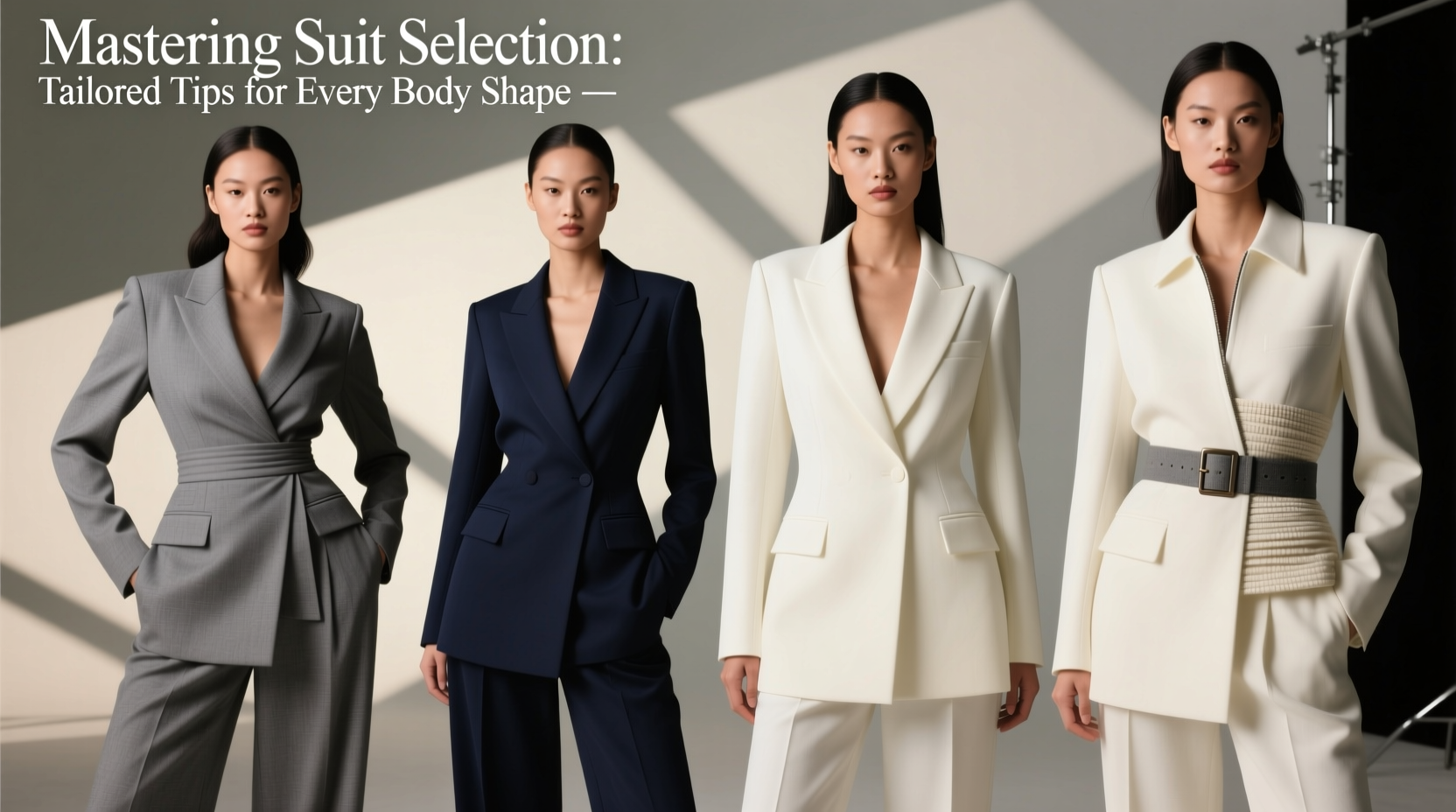
Suiting is not about squeezing into the latest fashion; it’s about enhancing what you already have. A suit should follow the natural lines of your body, not fight them. Poorly fitted garments distort posture, emphasize flaws, and undermine professionalism. In contrast, a properly selected suit creates symmetry, elongates the frame, and conveys intentionality.
Fabrics, lapel widths, jacket lengths, trouser cuts, and even pocket placements play subtle but critical roles. These elements interact differently depending on height, shoulder width, torso length, and limb proportions. Recognizing your body type is the first step toward sartorial precision.
Understanding Common Body Types and Their Suiting Needs
While individual variation exists, most men fall into one of five primary body categories: athletic, slim, stocky, pear-shaped, or rectangular. Each responds best to specific tailoring strategies.
| Body Type | Key Features | Best Suit Characteristics |
|---|---|---|
| Athletic | Broad shoulders, defined chest, narrow waist | Two-button jackets, structured shoulders, tapered waists, flat-front trousers |
| Slim (Ectomorph) | Narrow shoulders, lean frame, minimal muscle mass | Double-breasted styles, padded shoulders, fuller-cut trousers, subtle pinstripes |
| Stocky (Endomorph) | Broader waist, shorter legs, heavier build | Single-breasted jackets, high armholes, mid-rise trousers, vertical patterns |
| Pear-Shaped | Narrower upper body, wider hips/thighs | Strong shoulder padding, solid-colored jackets, pleated trousers for balance |
| Rectangular | Minimal waist definition, uniform shoulder/hip width | Vented jackets, diagonal pocket angles, textured fabrics to add dimension |
Tailoring Strategies by Physique
Athletic Builds: Balance Power with Proportion
Men with V-shaped torsos often struggle with off-the-rack suits that pull across the chest or bunch at the back. Opt for a two-button jacket with a higher gorge (where the lapel meets the collar) to draw the eye upward. Avoid double-breasted styles unless they’re custom-made, as they can exaggerate bulk. Trousers should sit at the natural waist and avoid excessive tapering, which may accentuate muscular thighs.
Slender Frames: Create Visual Weight
Thin men benefit from structural enhancements. Padded shoulders and lightly canvassed jackets add volume where needed. Double-breasted suits work well here—they create a broader chest illusion. Choose wool or flannel in medium weights to avoid a sunken appearance. Vertical pinstripes or herringbone patterns also help add visual depth.
Stocky or Full-Figured Silhouettes: Prioritize Vertical Flow
The goal is elongation. Select single-breasted jackets with a notch lapel and a center vent for clean drape. Keep buttons higher to extend the leg line. Darker colors like charcoal or navy minimize width. Pair with mid-rise, slightly tapered trousers—never low-rise, which shortens the torso. Avoid wide lapels or busy patterns that break up the vertical axis.
Pear-Shaped Bodies: Harmonize Top and Bottom
Balance is key. Use stronger jacket shoulders—either naturally broad or subtly padded—to offset wider hips. Solid-colored jackets in deeper tones focus attention upward. On the lower half, consider pleated trousers in a matching fabric to maintain cohesion without drawing attention to the seat. Avoid skinny fits, which amplify disproportion.
Rectangular or Columnar Shapes: Introduce Dimension
Without natural tapering, these frames risk looking boxy. Use details to create contour: angled pockets, ticket pockets, or peak lapels introduce diagonal lines that suggest waist definition. Textured fabrics like birdseye or shadow check add complexity. A nipped-in jacket at the waist—even slightly—can simulate a V-shape.
“Fit isn’t just about measurements—it’s about optical harmony. The best suits don’t just fit the body; they refine it.” — Daniel Reyes, Master Tailor, Savile Row Atelier
Step-by-Step Guide to Choosing Your Next Suit
- Identify your dominant body type using mirrors, photos, or professional input.
- Measure accurately: chest, waist, inseam, shoulder width, sleeve length, and torso height.
- Select a cut that complements your shape (refer to the table above).
- Choose fabric weight and pattern based on season and visual effect (e.g., fine stripes elongate).
- Try before you buy, focusing on shoulder alignment, sleeve length, and jacket drape.
- Invest in tailoring: Even premium off-the-rack suits need minor adjustments for perfection.
- Assess movement: Raise your arms, sit down, and walk to test comfort and integrity.
Checklist: Suit Selection Essentials
- ✅ Shoulders meet exactly at the bone—no pulling or gapping
- ✅ Jacket button lies flat without strain
- ✅ Sleeve ends at the wrist bone, showing ¼” to ½” of shirt cuff
- ✅ Collar sits flush against the neck, no gapping
- ✅ Trouser break is minimal (light kiss on shoe or none at all)
- ✅ No pinching at the seat or thigh when sitting
- ✅ Lapel roll is smooth and natural
Real Example: From Ill-Fitting to Impeccable
James, a 5'7\" man with a compact build and broader waist, had long avoided suits, believing they made him look boxy. His previous purchases—off-the-rack, low-rise, slim-fit—accentuated his proportions poorly. After a consultation, he switched to a high-armhole, single-breasted charcoal suit with a mid-rise, flat-front trouser. The jacket was slightly longer to extend his torso, and the trousers were hemmed to eliminate excess fabric. Paired with a crisp white shirt and dark oxfords, the new suit created a streamlined, authoritative look. Colleagues remarked on his improved presence during client meetings. James didn’t change his body—he changed how it was framed.
Frequently Asked Questions
Can I wear slim-fit suits if I’m overweight?
Slim-fit cuts are designed to taper closely and may bind across the chest or waist on larger builds. Instead, opt for modern classic or tailored fits that offer room through the seat and chest while maintaining a clean silhouette. A skilled tailor can adjust any suit, but starting with the right base cut prevents issues.
How important is the suit’s fabric in shaping appearance?
Critical. Lightweight wools drape softly and minimize bulk. Textured weaves like hopsack add depth without adding visual weight. Shiny or stiff materials tend to highlight irregularities. For cooler climates, flannel provides warmth and a forgiving texture. Always prioritize natural fibers—they breathe better and move with the body.
Should shorter men avoid double-breasted suits?
Not necessarily—but proceed with caution. Double-breasted jackets can shorten the torso if poorly proportioned. If you're under 5'8\", choose a six-on-two button configuration with a high button stance and a center vent. Keep the lapels moderate in width and ensure the jacket length doesn’t extend past the hip bone.
Final Thoughts: Confidence Begins with Fit
Mastering suit selection isn’t about chasing trends or memorizing rules. It’s about developing an awareness of how clothing interacts with your form. The sharpest-dressed men aren’t those wearing the most expensive labels—they’re the ones who wear clothes that appear made for them. When a suit fits perfectly, it stops being noticed as clothing and becomes part of your identity. That’s when confidence emerges naturally.




 浙公网安备
33010002000092号
浙公网安备
33010002000092号 浙B2-20120091-4
Comments
No comments yet. Why don't you start the discussion?