
Cooking a perfect sunny side up egg—crisp-edged white, tender interior, and a bright, runny yolk that pools beautifully on the plate—is deceptively simple. Yet many home cooks struggle with overcooked edges, broken yolks, or rubbery textures. The difference between mediocrity and mastery lies in attention to detail: temperature control, pan selection, timing, and even how you crack the egg. With the right approach, you can achieve restaurant-quality results consistently, whether you're making breakfast for one or feeding a family.
The Science Behind the Perfect Sunny Side Up Egg
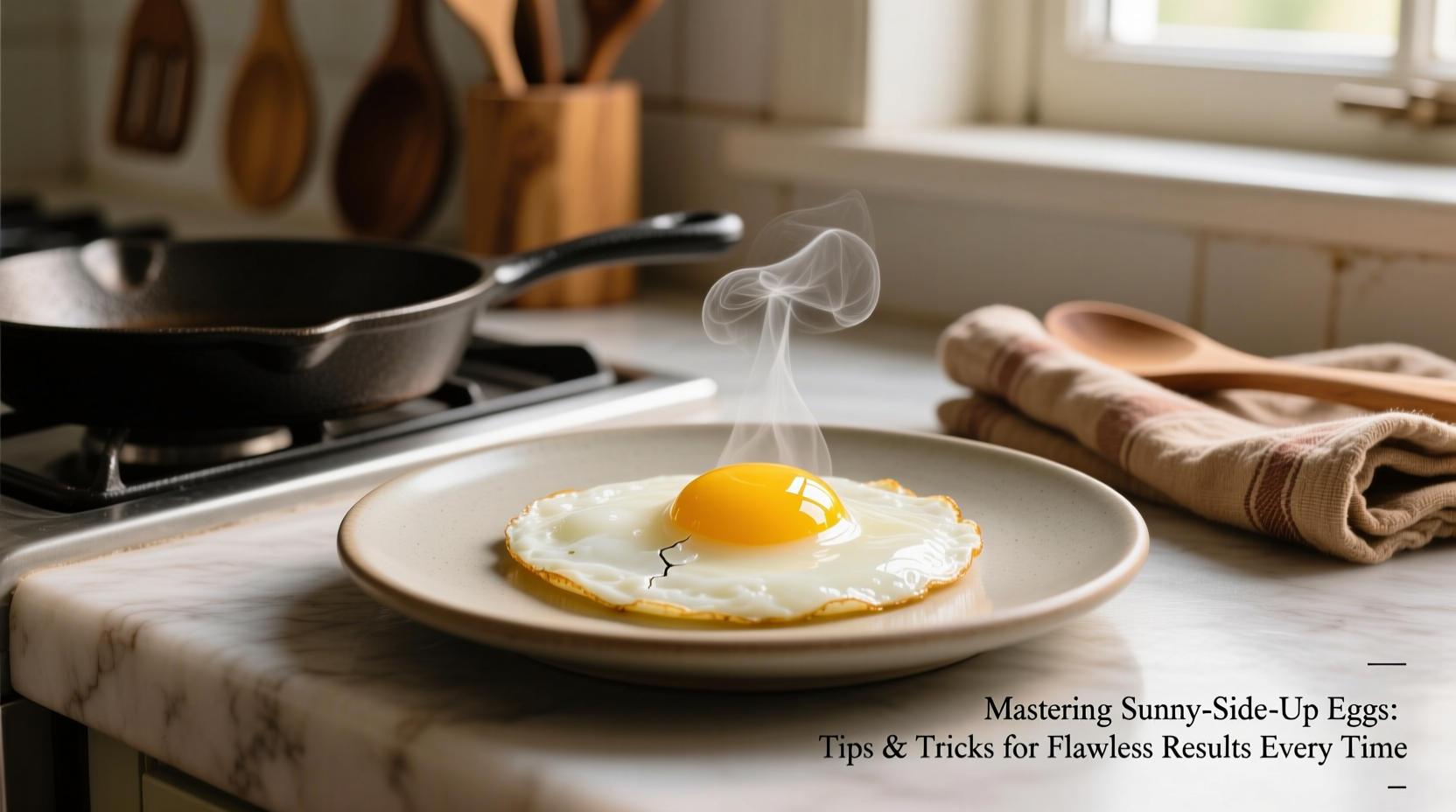
Eggs are sensitive to heat, and different components coagulate at different temperatures. The egg white begins to set around 140°F (60°C), while the yolk starts thickening near 150°F (65°C) but doesn’t fully solidify until 158°F (70°C). To keep the yolk gloriously runny, the goal is to gently cook the white without pushing the yolk past its ideal temperature.
However, uneven heating is a common problem. High heat causes the edges to brown before the center sets, leading to a tough rim and undercooked middle. A low and steady temperature ensures even cooking, preserving both texture and appearance.
“Precision matters more than speed when cooking delicate proteins like eggs. Gentle heat transforms simplicity into elegance.” — Chef Marcus Bell, Culinary Instructor at Hudson Valley Institute of Cooking
Essential Tools and Ingredients
Success starts before the egg hits the pan. Using the right equipment and fresh ingredients sets the foundation for flawless execution.
- Frying Pan: A well-seasoned carbon steel or nonstick skillet works best. Avoid stainless steel unless highly seasoned—it increases sticking risk.
- Cover: A clear lid or baking sheet to trap steam, helping cook the top of the white without flipping.
- Utensils: Thin spatula for lifting, small bowl for pre-cracking (optional).
- Fat: Butter adds flavor; neutral oils like canola or grapeseed offer higher smoke points. Combining both gives the best of both worlds.
Step-by-Step Guide to Flawless Sunny Side Up Eggs
Follow this method to achieve consistent, visually appealing sunny side up eggs with minimal effort.
- Prep the Egg: Crack each egg into a small bowl first. This prevents shell fragments and allows gentle transfer into the pan.
- Heat the Pan: Place your skillet over medium-low heat. Add 1/2 tablespoon of butter or oil. Let it melt and coat the surface evenly.
- Add the Egg Gently: Tilt the bowl close to the surface and slide the egg in slowly from a low height to minimize splash and yolk stress.
- Maintain Low Heat: Adjust the burner so the fat shimmers but doesn’t smoke. You should hear a soft sizzle, not a violent pop.
- Cover the Pan: After 1–2 minutes, place a lid over the skillet. Trapped steam will help firm the top layer of the white without drying out the yolk.
- Monitor Closely: Cook for another 2–3 minutes depending on desired doneness. For completely set whites and fluid yolk, aim for 4–5 minutes total.
- Remove Carefully: Slide the spatula under the egg and lift it gently onto a warm plate. Season immediately with flaky salt and freshly ground pepper.
Do’s and Don’ts: Key Habits for Success
| Do | Avoid |
|---|---|
| Use room-temperature eggs—they spread less and cook more evenly | Using cold eggs straight from the fridge, which cause oil to splatter and whites to scatter |
| Cover the pan to gently steam the top of the egg | Leaving the pan uncovered, resulting in long cook times and dry edges |
| Season after cooking to prevent watery whites | Sprinkling salt too early, which draws moisture and delays setting |
| Choose a snug-fitting lid to maximize steam efficiency | Using a warped or ill-fitting cover that lets steam escape |
| Wipe the pan clean between batches for consistent results | Reusing residual oil and debris, increasing sticking risk |
Troubleshooting Common Problems
Even experienced cooks encounter issues. Here’s how to fix them:
- Spreading Whites: Older eggs naturally spread more. To counteract this, pour the egg closer to the surface or use a ring mold.
- Browned or Crispy Edges: Lower the heat. If browning occurs within two minutes, the pan is too hot.
- Undercooked Center: Cover the pan earlier and ensure the lid seals well. A little steam goes a long way.
- Broken Yolk During Cracking: Tap the egg firmly on a flat surface (not a sharp edge), then pull apart with both hands evenly.
Real Example: From Frustration to Confidence
Jamie, a home cook in Portland, used to avoid sunny side up eggs entirely. “Every time I tried, the edges would burn, or the yolk broke when I flipped—except I wasn’t even flipping!” After switching to a carbon steel pan, letting her eggs sit on the counter for 15 minutes before cooking, and using a lid, she achieved perfect results on her next attempt. “I didn’t realize how much steam helped. Now I make them twice a week for avocado toast.” Her only regret? Not trying these adjustments sooner.
Advanced Techniques for Next-Level Results
Once you’ve mastered the basics, consider refining your technique further:
- Butter Basting: After the egg is nearly done, spoon melted butter over the top. This adds richness and speeds up white coagulation without touching the yolk.
- Two-Pan Method: Start on medium to set the base, then reduce heat and cover to finish. Balances sear and tenderness.
- Herb Infusion: Add a sprig of thyme or rosemary to the butter as it melts. Lift it out before adding the egg to avoid burning.
“The secret isn’t complexity—it’s patience. Let the egg tell you when it’s ready.” — Maria Tran, Breakfast Chef at The Morning Hearth Diner
FAQ
Can I cook sunny side up eggs without oil or butter?
Technically yes, especially with a high-quality nonstick pan, but fat enhances texture and prevents sticking. Oil-free versions often result in rubbery whites and increased breakage risk.
Why do restaurant eggs look so much better?
Professional kitchens use consistent equipment (like griddles with precise heat zones), fresher eggs, and trained timing. They also frequently use lids or salamanders to finish eggs evenly.
Are sunny side up eggs safe to eat?
For healthy adults, yes. The USDA states that as long as the white is fully set and the yolk is no longer runny if preferred, the egg is safe. Pregnant individuals, young children, elderly, or immunocompromised people should consume thoroughly cooked eggs.
Final Checklist for Consistent Success
- Start with fresh, room-temperature eggs
- Use a nonstick or well-seasoned pan
- Preheat with moderate fat over medium-low heat
- Carefully crack eggs into a bowl first
- Cover the pan after 1–2 minutes of cooking
- Steam for 2–3 minutes until whites are fully set
- Season lightly after plating
- Clean the pan thoroughly between uses
Conclusion
Perfect sunny side up eggs aren’t reserved for chefs or lucky accidents. They’re the result of mindful technique, proper tools, and a few science-backed insights. Once you understand how heat, steam, and freshness interact, you gain control over the outcome every single time. Whether served over toast, alongside roasted vegetables, or atop a grain bowl, a flawlessly cooked egg elevates any meal with minimal effort.




 浙公网安备
33010002000092号
浙公网安备
33010002000092号 浙B2-20120091-4
Comments
No comments yet. Why don't you start the discussion?