
Fasting has evolved from an ancient practice into a modern wellness strategy backed by science. Among various intermittent fasting protocols, the 36-hour fast stands out for its balance between challenge and sustainability. It extends beyond daily fasting windows like 16:8 or 20:4, offering deeper metabolic benefits such as enhanced autophagy, improved insulin sensitivity, and fat oxidation. However, completing a full day and a half without food requires planning, discipline, and awareness of your body’s signals. This guide delivers actionable strategies, safety considerations, and real-world insights to help you execute a 36-hour fast successfully—without compromising health.
Understanding the 36-Hour Fast
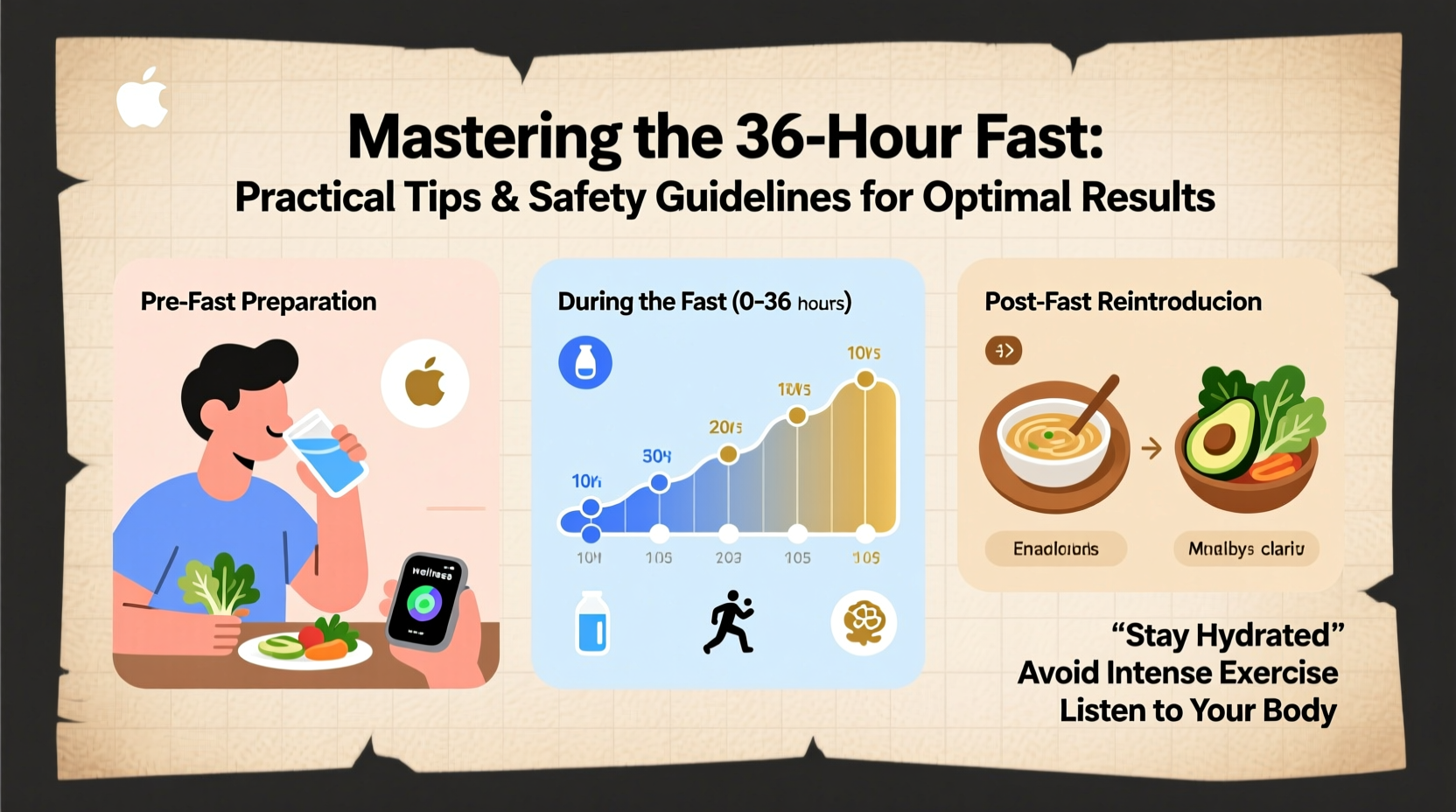
A 36-hour fast typically begins after dinner on one day and ends with a meal two mornings later. For example, finishing dinner at 7 PM on Monday and breaking the fast at 7 AM on Wednesday. This format allows three full nights of sleep during the fast, reducing hunger pangs and making adherence easier than daytime-only protocols.
The extended duration pushes the body past glycogen depletion (usually occurring after 24 hours) into sustained ketosis, where fat becomes the primary fuel source. Research indicates that fasting beyond 30–36 hours can trigger increased autophagy—the cellular cleanup process linked to longevity and reduced inflammation.
“Extended fasting periods like 36 hours offer a unique window for metabolic switching and cellular repair,” says Dr. Krista Varady, professor of nutrition and author of *The Every Other Day Diet*. “They’re long enough to elicit physiological change but short enough to be repeatable.”
Step-by-Step Timeline for a Successful 36-Hour Fast
Success hinges on preparation and pacing. Follow this structured timeline to minimize discomfort and maximize benefits:
- Day 1 – Preparation Phase (12 Hours Before Start)
Consume a balanced dinner rich in healthy fats, moderate protein, and low-glycemic carbohydrates. Avoid processed sugars and excessive salt, which can increase thirst and disrupt electrolyte balance. - Hour 0 – Begin the Fast (e.g., 7 PM)
Finish your last meal. Drink a glass of water with a pinch of sea salt if needed. Transition to non-caloric beverages only: water, black coffee, herbal tea. - Hours 1–12 – First Night & Morning
Sleep through the initial hunger wave. Upon waking, hydrate with warm lemon water or unsweetened green tea. Light movement like walking or stretching helps suppress appetite. - Hours 12–30 – Core Fasting Window
Hunger typically peaks around hour 18–24. Stay busy, avoid food triggers, and maintain hydration. Sip on bone broth (if following a modified fast) or add electrolytes to water to prevent fatigue and headaches. - Hour 36 – Breaking the Fast
Reintroduce food gently. Opt for easily digestible, nutrient-dense options: steamed vegetables, boiled eggs, or a small portion of lean protein. Avoid heavy, greasy meals that may cause bloating or digestive distress.
Essential Safety Guidelines and Who Should Avoid It
While beneficial for many, a 36-hour fast is not universally safe. Certain populations should avoid it or consult a healthcare provider first.
| Who Can Try It Safely | Who Should Avoid or Consult First |
|---|---|
| Healthy adults practicing shorter fasts regularly | Pregnant or breastfeeding women |
| Individuals managing weight or metabolic syndrome under supervision | People with type 1 diabetes or advanced type 2 diabetes |
| Those seeking cognitive clarity and metabolic flexibility | Individuals with a history of eating disorders |
| Experienced intermittent fasters | Underweight individuals (BMI < 18.5) |
Common side effects include mild dizziness, irritability, or fatigue—especially during the first few attempts. These usually subside as the body adapts. If you experience severe symptoms like fainting, heart palpitations, or persistent nausea, break the fast immediately and seek medical advice.
Practical Tips for Comfort and Compliance
Making it through 36 hours isn’t just about willpower—it’s about smart habits. Implement these evidence-based strategies:
- Stay Hydrated: Aim for at least 2.5–3 liters of fluid. Include electrolyte-enhanced water (sodium, potassium, magnesium) to prevent cramps and brain fog.
- Manage Hunger Cues: Drink black coffee or peppermint tea. These suppress appetite and boost alertness without breaking the fast.
- Keep Busy: Engage in work, reading, or light exercise. Boredom amplifies hunger perception.
- Avoid Temptation: Don’t shop for groceries or cook meals for others during the fast. Out of sight, out of mind.
- Track Your Experience: Use a journal to note energy levels, mood, sleep quality, and hunger patterns. This data helps refine future fasts.
Mini Case Study: Sarah’s First 36-Hour Fast
Sarah, a 38-year-old teacher and regular 16:8 faster, decided to try a 36-hour fast to improve her energy and reduce abdominal fat. She started Friday night after a salmon and roasted vegetable dinner. Saturday passed smoothly with herbal tea and walks in nature. By Sunday morning (hour 30), she felt lightheaded. She sipped mineral water with added magnesium and rested. At 7 AM, she broke her fast with a soft-boiled egg and avocado. Within hours, her energy returned, and she reported sharper focus throughout the day. Over three months of monthly 36-hour fasts, she lost 5 pounds of visceral fat and lowered her fasting insulin levels—confirmed by bloodwork.
Checklist: Prepare for Your 36-Hour Fast
Use this checklist to ensure readiness before beginning:
- ✅ Completed at least four weeks of daily intermittent fasting (e.g., 16:8)
- ✅ Scheduled the fast during a low-stress period
- ✅ Stocked up on water, herbal teas, and electrolytes
- ✅ Informed family or housemates to reduce food-related pressure
- ✅ Planned a gentle refeeding meal (e.g., soup, eggs, greens)
- ✅ Cleared intense workouts or high-focus tasks from the schedule
- ✅ Have a journal or app ready to log symptoms and observations
Frequently Asked Questions
Can I exercise during a 36-hour fast?
Yes, but keep intensity moderate. Walking, yoga, or light resistance training are ideal. Avoid high-intensity interval training or heavy lifting, especially if you're new to extended fasting. Listen to your body—if you feel weak or dizzy, stop and rest.
Will I lose muscle mass?
Not significantly, provided you're well-nourished outside the fast and maintain physical activity. The body preserves muscle through gluconeogenesis and elevated growth hormone levels during fasting. Protein intake during eating windows further protects lean mass.
How often should I do a 36-hour fast?
Once every 7–14 days is sustainable for most people. Frequent repetition without adequate recovery may lead to hormonal imbalances or nutrient deficiencies. Allow your body time to refuel and rebuild between sessions.
Final Thoughts: Make It Sustainable, Not Extreme
The 36-hour fast is not a quick fix or a test of endurance. When approached with respect and preparation, it becomes a powerful tool for metabolic reset and self-awareness. The goal isn’t to suffer through hunger but to tune into your body’s rhythms and leverage science-backed benefits safely. Whether you're aiming for weight loss, improved insulin sensitivity, or cellular renewal, consistency and mindfulness matter more than frequency.




 浙公网安备
33010002000092号
浙公网安备
33010002000092号 浙B2-20120091-4
Comments
No comments yet. Why don't you start the discussion?