
A well-chosen designer handbag is more than a functional accessory—it’s a statement of taste, intention, and personal narrative. When used thoughtfully, a luxury bag elevates an outfit from polished to iconic. Yet, many own exquisite pieces that go underutilized or clash with their ensembles simply because they haven’t mastered the subtle principles of strategic accessorizing. True style isn’t about owning the most expensive bag; it’s about knowing how to wear it with purpose.
The key lies in balance: proportion, color harmony, occasion alignment, and personal expression. Whether you're building a capsule wardrobe or refining your weekend look, understanding how to integrate designer bags into your daily rotation transforms them from mere accessories into essential elements of your aesthetic identity.
Understanding Proportion and Silhouette
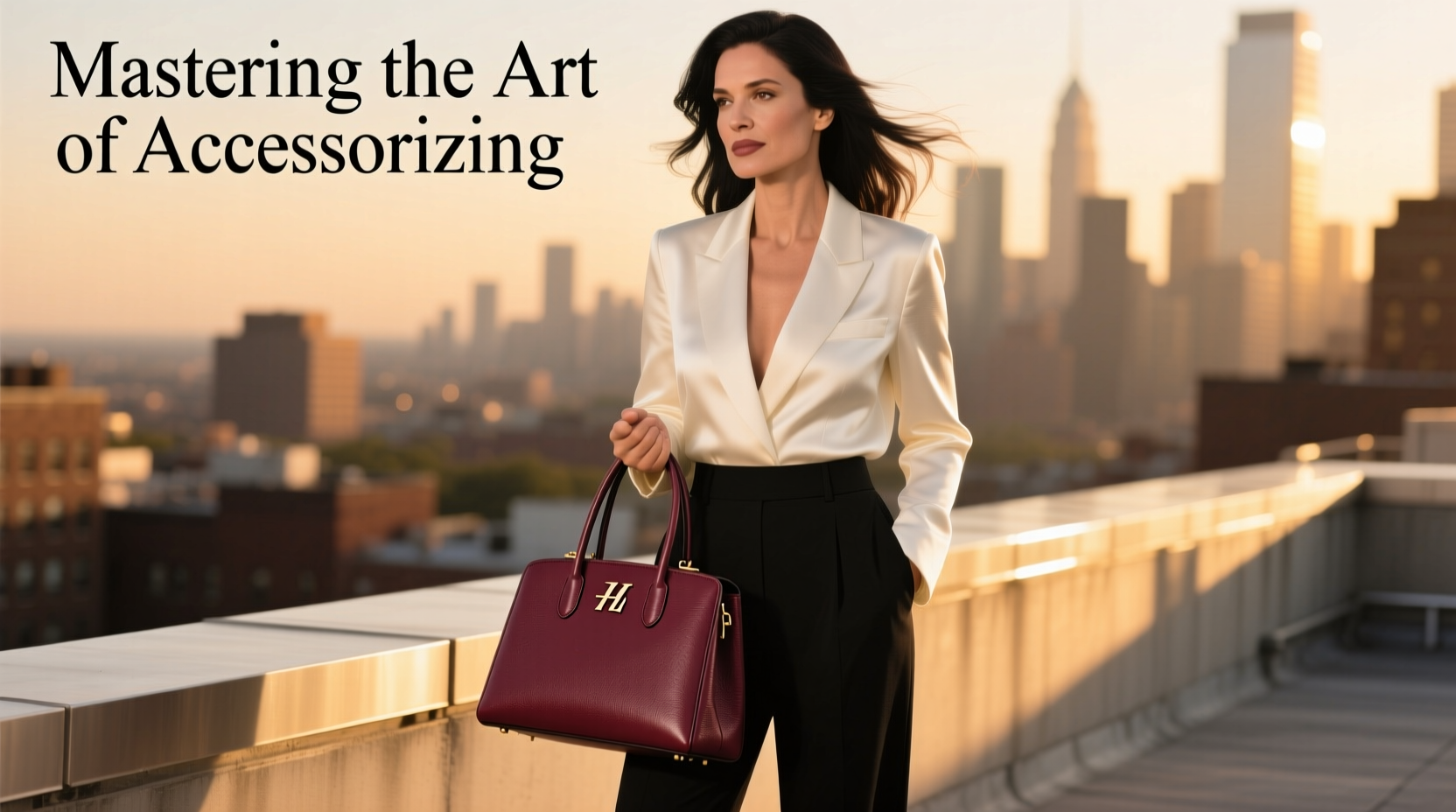
One of the most overlooked aspects of accessorizing is scale. A bag should complement—not compete with—your body type and outfit structure. Petite frames benefit from compact styles like micro bags or structured top handles, while taller individuals can carry larger totes or satchels without visual imbalance.
Consider the silhouette of your clothing. Flowy dresses pair beautifully with sleek boxy bags that create contrast. Tailored suits gain softness when paired with slouchy hobo bags. Even within a single outfit, layering textures and volumes matters. A voluminous coat demands a slightly larger bag to avoid being visually swallowed by fabric.
Color Strategy: Complement, Contrast, or Neutral?
Color coordination separates casual styling from intentional fashion. Designer handbags offer three primary roles in a palette: anchor, accent, or transition.
- Anchor pieces are neutrals—black, tan, navy, or taupe—that ground any ensemble and serve as wardrobe staples.
- Accent bags introduce bold hues (red, emerald, cobalt) to energize monochrome outfits.
- Transition bags in metallics (gold, silver, rose gold) bridge formal and casual settings with luminous versatility.
When matching colors, avoid exact tonal matches unless aiming for a minimalist monochromatic effect. Instead, opt for tonal variation—a camel bag with rust-toned shoes, or a burgundy clutch with deep plum lipstick—creates depth without rigidity.
| Outfit Base | Recommended Bag Color | Rationale |
|---|---|---|
| Black Trench + Jeans | Cream or Oxblood | Softens starkness, adds warmth |
| White Dress | Straw Tote or Navy Crossbody | Enhances freshness or grounds brightness |
| Gray Suit | Bold Red or Gunmetal | Adds power pop or modern edge |
| Navy Jumpsuit | Pale Pink or Gold | Creates elegant contrast |
The Occasion Matrix: Matching Bag to Moment
No single bag fits every context. The art of accessorizing involves curating a small but strategic collection tailored to lifestyle rhythms. Think beyond “day” and “night”—consider tone, function, and social expectations.
- Work & Professional Settings: Structured satchels or top-handle bags in classic leathers project authority. Avoid excessive hardware or logos unless part of a brand-aligned image.
- Weekend Errands: Lightweight crossbodies or canvas totes allow mobility while maintaining polish. Look for interiors with smart organization.
- Evening Events: Clutches, minaudieres, or delicate chain bags shine here. Materials like satin, patent leather, or embellished finishes add glamour.
- Travel: Roomy yet refined carryalls with secure closures and comfortable straps ease transit stress without sacrificing style.
“Your bag should whisper sophistication, not shout status.” — Isabelle Moreau, Parisian Stylist & Editor-at-Large, *Vogue France*
Mini Case Study: Elevating a Capsule Wardrobe
Sophie, a creative director in her mid-30s, owned six designer bags but wore only two regularly. After a wardrobe audit, she realized her go-to black tote overwhelmed her petite frame during client meetings, while her evening clutches lacked practicality. With guidance, she curated a trio: a medium-sized cognac shoulder bag (work), a convertible nylon crossbody (errands), and a sculptural silver clutch (events). Within weeks, her confidence grew—not because she bought more, but because each piece served a precise role. Her colleagues even remarked on her consistently elevated presence.
Material Matters: Aligning Texture with Outfit Fabric
Texture interaction is subtle but powerful. Glossy crocodile-embossed leather commands attention against matte knits, making it ideal for spotlight moments. Smooth calfskin blends seamlessly with tailoring. Suede bags add tactile richness to winter layers but feel out of place with crisp summer cotton.
Seasonality plays a role too. Light linens and raffia suit spring and summer, while pebbled leathers and quilted fabrics dominate fall and winter. Don’t underestimate the emotional resonance of texture—soft nubuck feels inviting, high-shine patent feels bold, woven straw feels relaxed.
Step-by-Step Guide: Building Your Signature Bag Rotation
Follow this five-step process to refine your handbag strategy:
- Assess Your Lifestyle: Track your weekly activities—how many days are spent in meetings, running errands, attending events?
- Define Your Core Needs: Identify must-have functions: laptop space, phone accessibility, security (zippers vs. open tops).
- Select Three Foundational Styles: Choose one professional, one casual, and one special-occasion bag in complementary colors.
- Test for Cohesion: Pair each bag with three different outfits from your closet. Does it enhance or distract?
- Maintain Seasonally: Rotate in seasonal accents (straw bag in summer, fur-trimmed pouch in winter) without overextending your core collection.
Common Pitfalls to Avoid
- Over-accessorizing: If your bag has bold hardware or embroidery, keep jewelry minimal.
- Mismatched formality: A glittery clutch with jeans and sneakers feels disjointed unless intentionally styled for contrast.
- Neglecting maintenance: Scratched chains, dusty corners, or stained linings undermine even the finest design.
- Following trends blindly: Limited editions may excite, but only invest if they align with your long-term aesthetic.
“Consistent care and proper storage can double a bag’s lifespan.” — Emma Clarke, Fashion Care Expert
Frequently Asked Questions
How many designer handbags should I own for a balanced wardrobe?
Three well-chosen pieces—a work bag, a versatile everyday style, and an evening option—are sufficient for most lifestyles. Quality trumps quantity. Add seasonal accents only if they serve a clear need.
Can I mix designer logos across accessories?
Yes, but with restraint. Pairing a logo-heavy bag with subtle shoes or belts prevents visual clutter. Alternatively, embrace full branding only if it reflects a deliberate, confident persona.
Is it acceptable to carry the same bag frequently?
Absolutely—if it suits multiple contexts and is well-maintained. Repetition builds recognition and becomes part of your signature style. Just ensure it remains clean and structurally sound.
Final Thoughts: Style as a Practice, Not a Purchase
Mastering the art of accessorizing with designer handbags isn’t about accumulating labels. It’s about cultivating awareness—of your body, your environment, your intentions. Each bag you carry sends a message. Make it intentional. Let it reflect clarity, not confusion; confidence, not compensation.
Start today: pull out your current rotation. Try each with a standard outfit. Ask: Does it serve me? Does it express me? Refine from there. Build a collection that works quietly but powerfully in your favor.




 浙公网安备
33010002000092号
浙公网安备
33010002000092号 浙B2-20120091-4
Comments
No comments yet. Why don't you start the discussion?