
In an era where personal style extends beyond clothing and footwear, accessories have taken center stage in defining individuality. Among the most understated yet impactful additions to a curated wardrobe is the humble key chain. Once seen merely as a functional tool, the modern key chain has evolved into a fashion statement—small enough to be subtle, but bold enough to speak volumes. From minimalist metal charms to vibrant tassels and personalized engravings, today’s key chains offer endless opportunities to express personality, complement aesthetics, and elevate everyday looks.
The secret to mastering this micro-accessory lies not just in choosing what’s trendy, but in understanding how to integrate it seamlessly into your daily ensemble. Whether you're dressing up for a brunch date or keeping it casual on a weekday commute, the right key chain can add cohesion, flair, and intentionality to your overall appearance.
The Evolution of Key Chains: From Utility to Style Statement
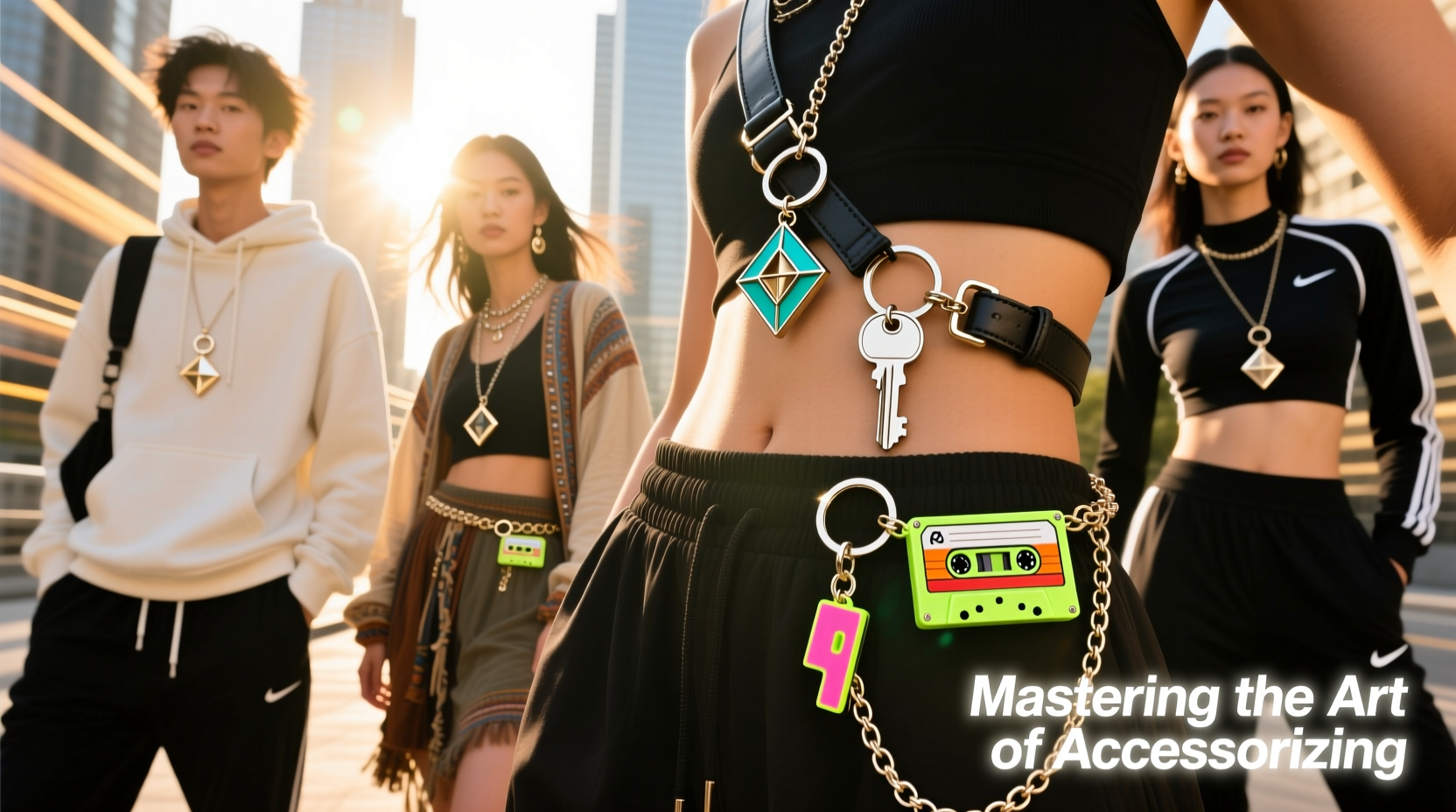
Historically, key chains served one purpose: holding keys together. But over the past decade, they’ve undergone a transformation fueled by social media, streetwear culture, and the rise of “quiet luxury” aesthetics. Designers and lifestyle brands now treat key chains as wearable art, crafting them from premium materials like brushed stainless steel, hand-stitched leather, enamel-coated metals, and even recycled ocean plastics.
Fashion houses such as Gucci, Balenciaga, and Ader Error have released limited-edition keychains priced in the hundreds—often worn detached from actual keys, clipped to bags or belts purely for visual impact. This shift reflects a broader trend: accessories no longer need utility to justify their presence. They exist to enhance identity.
Yet, unlike larger accessories, key chains strike a balance between visibility and subtlety. They catch light when you move, draw attention during casual gestures, and often spark conversation. The best ones feel intentional—not clutter.
How to Match Your Key Chain to Your Outfit Aesthetic
Styling a key chain effectively begins with aligning it with your personal aesthetic. Here’s how different styles benefit from specific types of key chains:
- Minimalist / Clean Girl Aesthetic: Opt for sleek, monochrome designs—think matte black titanium, silver disc charms, or thin leather loops. Avoid excessive branding or dangling elements.
- Streetwear / Urban Edge: Go bold with chunky chains, graffiti-inspired pendants, or branded logo tags. Consider layering multiple small keychains on a single ring for texture.
- Boho / Artistic Vibes: Embrace natural materials like wood beads, woven cords, or turquoise accents. Tassels in earthy tones work beautifully here.
- Professional / Office Wear: Stick to compact, refined options—a discreet engraved tag or a slim leather fob adds sophistication without distraction.
- Retro / Vintage Lovers: Hunt for vintage enamel pins repurposed as keychains, or classic brass swivels with patina finishes.
Color coordination matters too. A deep burgundy leather keychain pairs effortlessly with autumn layers, while a glossy white acrylic charm brightens summer denim. When in doubt, neutral tones (black, tan, silver, gunmetal) offer maximum versatility.
Material Guide: Choosing Quality That Lasts
Beyond aesthetics, durability plays a crucial role. A well-made key chain withstands daily friction, weather exposure, and frequent handling. Below is a comparison of common materials used in premium key chains:
| Material | Pros | Cons | Best For |
|---|---|---|---|
| Stainless Steel | Durable, rust-resistant, modern shine | Can be heavy; may scratch over time | Urban, professional, unisex styles |
| Genuine Leather | Develops rich patina, soft feel | Requires conditioning; sensitive to moisture | Classic, vintage, luxury looks |
| Silicone/Rubber | Lightweight, flexible, water-resistant | Lacks premium feel; prone to fading | Casual wear, gym bags, kids’ use |
| Enamel-Coated Metal | Vibrant colors, smooth finish | Chips if dropped frequently | Statement pieces, pop culture themes |
| Titanium | Extremely strong, lightweight, hypoallergenic | Higher cost; limited design variety | High-end minimalist or techwear |
“Accessories are the punctuation marks of an outfit. A great key chain doesn’t shout—it whispers elegance.” — Lena Park, Fashion Stylist & Editor at *Urban Edit Magazine*
Step-by-Step: Building a Key Chain Collection for Every Occasion
Like any accessory, variety enhances flexibility. Follow this timeline to curate a thoughtful rotation:
- Week 1: Audit Your Keys – Identify which keys you carry daily versus seasonally. Consolidate to reduce bulk so your key chain remains sleek.
- Week 2: Select a Signature Piece – Invest in one high-quality, timeless key chain (e.g., engraved initials on brushed steel) as your default.
- Month 1: Add a Seasonal Accent – Introduce a themed piece (pastel resin for spring, pumpkin charm for fall) to reflect mood and weather.
- Month 2: Experiment with Layering – Combine two small chains—one functional, one decorative—for added depth without clutter.
- Ongoing: Rotate Based on Outfits – Keep three go-to options: formal, casual, and playful. Swap based on your daily look.
Mini Case Study: How Sarah Elevated Her Street Style
Sarah, a 28-year-old graphic designer in Portland, noticed her outfits felt “complete but forgettable.” After attending a styling workshop, she began treating her key chain as part of her signature look. She replaced her generic plastic keyring with a handmade black leather loop featuring a brushed copper arrow charm.
She soon realized people complimented not just her bag—but her attention to detail. Inspired, she added a second keychain with a tiny recycled glass bead pendant for weekends. Within weeks, colleagues asked where she bought them. Her confidence grew, and she started pairing her keys with her earrings or watch band. What began as a simple upgrade became a core part of her brand—both personally and professionally.
Checklist: Accessorizing Smartly with Key Chains
- ✅ Assess your primary style aesthetic before purchasing
- ✅ Limit total length to under 5 inches to avoid snagging
- ✅ Match metal tones to other accessories (watches, rings)
- ✅ Clean monthly with appropriate cloth (microfiber for metal, damp wipe for leather)
- ✅ Store separately when not in use to prevent scratches
- ✅ Rotate seasonally to keep your look fresh
- ✅ Prioritize craftsmanship over trends for lasting value
Frequently Asked Questions
Can a key chain really influence how an outfit is perceived?
Absolutely. While small, key chains contribute to the overall impression of thoughtfulness and intentionality. A well-chosen piece signals attention to detail, much like cufflinks or a silk pocket square. In fashion psychology, these micro-decisions build subconscious credibility.
Are expensive designer key chains worth it?
For some, yes—if the design aligns with your taste and usage. However, many independent artisans offer equally striking pieces at lower price points. Focus on quality of materials and construction rather than logos. A $30 handcrafted leather fob may serve better than a flashy $200 branded trinket.
How do I clean and maintain my key chain?
Cleaning depends on material. Wipe metal with a dry polishing cloth weekly. For leather, use a small amount of conditioner every few months. Avoid submerging in water unless specified as waterproof. Inspect clasps regularly for wear and replace if loose.
Conclusion: Make the Small Detail Count
Mastering the art of accessorizing isn’t about grand gestures—it’s about precision, consistency, and personal resonance. The key chain, though modest in size, carries disproportionate power in shaping perception and expressing identity. By selecting pieces that align with your aesthetic, investing in quality, and rotating them with intention, you transform a utilitarian object into a silent ambassador of your style.




 浙公网安备
33010002000092号
浙公网安备
33010002000092号 浙B2-20120091-4
Comments
No comments yet. Why don't you start the discussion?