
Origami-inspired balloon art has surged in popularity, blending whimsy with precision. Among the most charming creations is the zakaka balloon cat pendant—a delicate, air-filled sculpture that captures feline grace in a single twisted form. Though it may appear intricate, the technique is accessible to anyone willing to practice patience and attention to detail. This guide walks through the entire process, from selecting materials to finishing touches, ensuring even beginners can create a polished, lasting piece.
Gathering Essential Materials
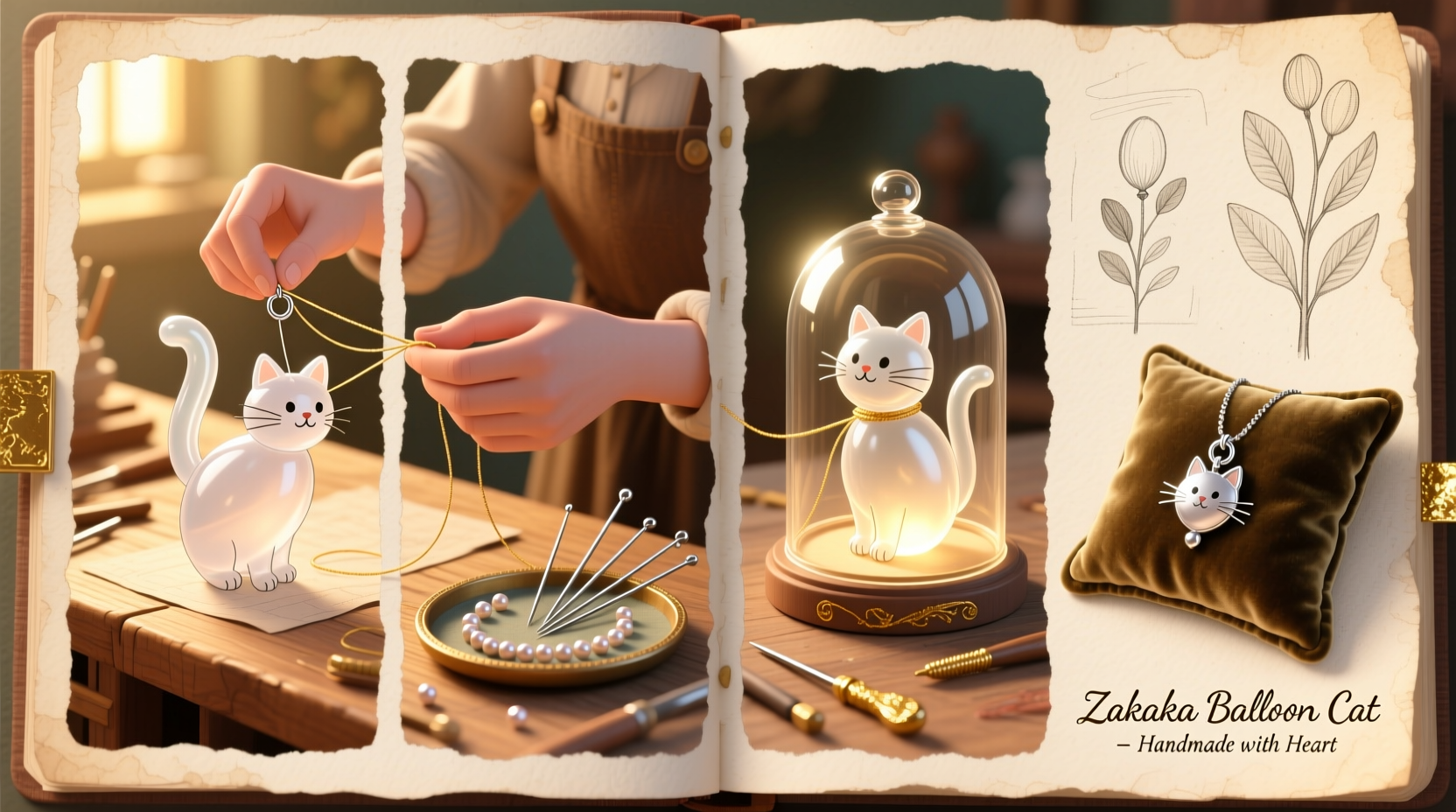
The foundation of any successful balloon craft lies in using the right tools. Unlike standard party balloons, zakaka designs require specific types of modeling balloons known for their elasticity and durability. These are typically 260s—long, thin balloons measuring 2 inches in diameter and 60 inches when inflated.
Beyond balloons, a few other components are crucial:
- Hand pump: Blowing balloons manually can lead to fatigue and inconsistent inflation.
- Measuring tape or sizing gauge: Ensures uniform bubble lengths for symmetry.
- Latex-safe markers: For adding whiskers, eyes, or subtle detailing post-assembly.
- Clear sealant spray (optional): Adds sheen and extends lifespan by reducing oxidation.
Understanding Zakaka Balloon Art Principles
Zakaka refers to a Japanese-inspired style of balloon sculpting emphasizing minimalism and elegance. Rather than stacking multiple balloons, practitioners use a single strand to form expressive shapes through controlled twisting and looping. The cat pendant exemplifies this philosophy—simple in structure, yet evocative in form.
The key principles include:
- Segmentation: Dividing the balloon into precise \"bubbles\" of varying sizes to represent body parts.
- Tension control: Maintaining consistent pressure during twists to avoid weak points.
- Flow design: Planning the sequence so each twist leads naturally to the next without backtracking.
“Zakaka isn’t about complexity—it’s about capturing essence. A well-made cat pendant should convey motion and personality in under ten bubbles.” — Rina Takahashi, Contemporary Balloon Artist
Step-by-Step Creation Process
Follow this structured approach to assemble your zakaka balloon cat pendant. Allow 15–20 minutes for your first attempt; speed improves with repetition.
- Inflate the balloon: Using a hand pump, inflate a 260Q modeling balloon, leaving a 4-inch uninflated tail. Overinflation increases burst risk.
- Create the ears (two locking twists): Pinch a 2-inch bubble near the nozzle. Twist to form the first ear. Immediately follow with a second 2-inch bubble and twist again. Lock both together by twisting the base once more (a \"twist lock\").
- Form the head: Inflate a 3-inch central bubble for the head. This will sit between the ears and face.
- Build the snout: Make a 1.5-inch bubble, then another 1.5-inch bubble. Perform a reverse twist loop to fold the second bubble back into the first, creating a rounded muzzle.
- Shape the body: Add a 4-inch bubble for the neck, followed by a 5-inch bubble for the torso. Use a bubble rotation to reorient direction upward.
- Create front paws: Form two 2-inch bubbles side by side, then lock them at the base. Gently bend outward to mimic resting paws.
- Attach the tail: From the end of the torso, make a 6-inch bubble. Curl the tip into a soft spiral using gradual pressure—this becomes the tail.
- Seal and shape: Pop the remaining tail carefully or tuck it into the nearest twist. Adjust tension across all segments until proportions feel balanced.
Common Challenges and How to Solve Them
Even experienced crafters encounter setbacks. Recognizing issues early prevents wasted materials and frustration.
| Issue | Possible Cause | Solution |
|---|---|---|
| Balloon bursts during inflation | Overinflation or static buildup | Use a pump, not mouth; inflate slowly in low-static environments |
| Twists unravel easily | Insufficient locking or poor tension | Reinforce twist locks; ensure consistent bubble size |
| Head appears lopsided | Uneven ear bubbles or misaligned snout | Measure each bubble with a ruler during initial attempts |
| Tail won’t hold curl | Under-inflated segment or rapid release | Apply gentle heat (from hands) while shaping; maintain air pressure |
Mini Case Study: From Classroom Project to Festival Favorite
In Kyoto, a small after-school arts program introduced zakaka balloon cats as part of a cultural expression unit. Students aged 10–14 were given basic instruction and safety guidelines. Within three weeks, they progressed from collapsing structures to symmetrical, durable pendants.
One student, Yumi Sato, adapted the design by incorporating dual-colored balloons—black bodies with white facial accents—to resemble traditional maneki-neko figures. Her version became popular at a local spring festival, where attendees requested custom colors and sizes. The project demonstrated how simplicity, when paired with creativity, can yield meaningful artistic engagement.
Care and Display Tips for Longevity
A zakaka balloon cat pendant is not permanent, but its lifespan can extend from days to weeks with proper care.
- Avoid direct sunlight and high humidity, which accelerate latex degradation.
- Display indoors at room temperature, ideally suspended from a clear thread.
- Lightly mist with water-based glycerin solution (1:4 ratio) to slow drying.
- For semi-permanent versions, consider using foil mylar alternatives, though these limit twisting flexibility.
“Preservation begins the moment you finish twisting. Treat your creation like a living sculpture—it responds to environment and handling.” — Diego Mendez, Kinetic Craft Conservator
Frequently Asked Questions
Can I make a zakaka cat without a pump?
While possible, inflating by mouth is discouraged. It reduces control, increases moisture inside the balloon (leading to faster deflation), and poses strain on lungs. A hand pump costs under $10 and significantly improves results.
Are these safe for young children?
Uninflated or burst balloons pose choking hazards. Supervision is essential. Consider displaying finished pieces out of reach or using child-safe alternatives like fabric tubes for younger crafters.
Can I reuse a deflated balloon?
No. Once a modeling balloon loses air, its elasticity is compromised. Re-inflation often leads to weak spots and bursting. Always use fresh balloons for new projects.
Final Checklist Before You Begin
Ensure you’re fully prepared with this quick-reference checklist:
- ☐ 260Q modeling balloons (preferably in black, gray, or pastel shades)
- ☐ Dual-action hand pump
- ☐ Measuring tape or balloon gauge
- ☐ Cornstarch or talc (for grip)
- ☐ Latex-safe marker (optional for facial details)
- ☐ Workspace free of sharp objects and drafts
- ☐ Timer or clock (to track inflation time if experimenting)
Conclusion: Bring Whimsy to Life, One Twist at a Time
The zakaka balloon cat pendant is more than a craft—it’s a meditative exercise in precision and play. Each twist demands focus, yet rewards with immediate visual delight. Whether you're crafting for personal enjoyment, gifting, or public display, mastering this technique opens doors to broader balloon artistry.




 浙公网安备
33010002000092号
浙公网安备
33010002000092号 浙B2-20120091-4
Comments
No comments yet. Why don't you start the discussion?