
Filmmaking is more than capturing moving images—it’s storytelling through visuals, sound, and emotion. A compelling movie doesn’t happen by accident. It emerges from deliberate planning, creative vision, and disciplined execution. Whether you're an aspiring indie filmmaker or refining your craft, understanding the core stages of film production can transform a simple idea into a powerful cinematic experience.
The Foundation: Concept and Story Development
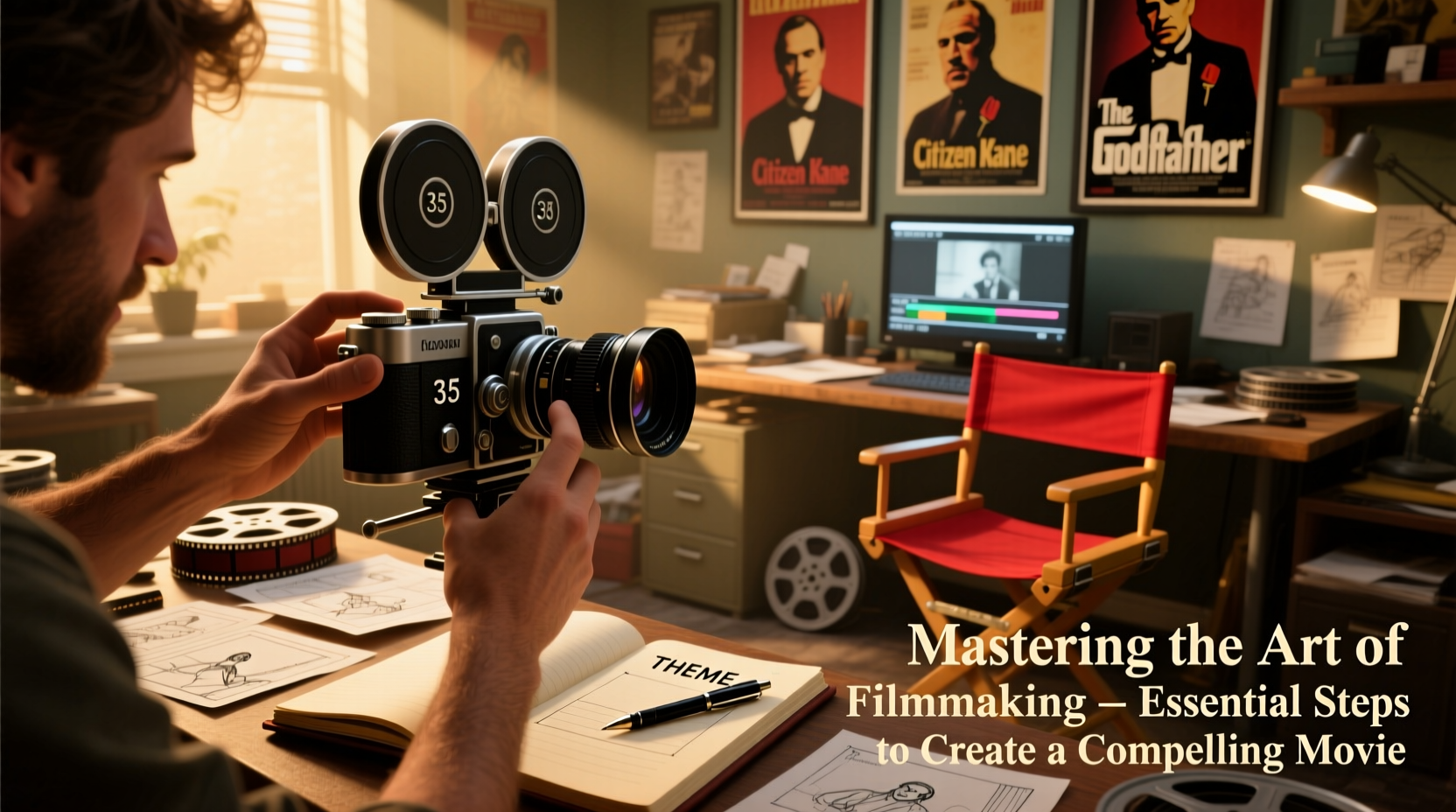
Every great film begins with a strong concept. This could be a character, a theme, or a single moment that sparks curiosity. From there, the story must be structured with purpose. The most enduring films follow a narrative arc—introducing conflict, building tension, and resolving in a way that leaves a lasting impression.
Start by defining your film’s central theme. Is it about redemption? Survival? Love against the odds? Once the theme is clear, build characters who embody it. Their desires, flaws, and decisions should drive the plot forward. Avoid overly complex plots early on; focus instead on emotional authenticity.
Use tools like the three-act structure or the hero’s journey as frameworks, but don’t let them constrain creativity. Many groundbreaking films subvert traditional formats while still delivering emotional payoff. The key is ensuring every scene serves the story.
Pre-Production: Turning Vision into Plan
Pre-production is where ambition meets logistics. This phase determines whether your shoot will run smoothly or descend into chaos. It includes script finalization, casting, location scouting, budgeting, scheduling, and assembling your crew.
A detailed shot list and storyboard help align everyone on the visual tone. These tools are especially crucial when working with limited resources—knowing exactly what you need to capture prevents wasted time and reshoots.
“Spend 70% of your time preparing. The camera rolls for only a fraction of the process.” — Ava DuVernay, award-winning director
Casting is not just about talent; it’s about chemistry and suitability. Hold auditions that simulate real scenes rather than monologues. Watch how actors interpret direction—this reveals adaptability under pressure.
Pre-Production Checklist
- Finalize screenplay and shooting script
- Secure funding and define budget per department
- Cast principal and supporting roles
- Scout and lock locations
- Create production schedule and call sheets
- Assemble key crew (DP, sound, production designer)
- Obtain necessary permits and insurance
- Conduct table read and rehearsals
Production: Capturing the Story
On set, leadership and communication become as important as technical skill. As director, your role shifts from planner to decision-maker. Every choice—from lighting to performance takes—shapes the film’s texture.
Work closely with your director of photography (DP) to establish a consistent visual language. Decide on color palettes, lens choices, and camera movement that reflect the mood of each scene. A handheld camera might convey urgency, while static wide shots suggest isolation or contemplation.
Sound is often underestimated during filming. Even if you plan to replace dialogue in post, record clean reference audio. Poor sync or background noise can complicate editing and increase costs.
Maintain a collaborative atmosphere. Encourage input from your crew—gaffers, sound mixers, and production designers often have insights that enhance efficiency or creativity. However, remain decisive. Indecision wastes time and erodes confidence.
Post-Production: Shaping the Final Film
This is where raw footage becomes cinema. Editing is storytelling in its purest form—choosing what to keep, cut, or rearrange to maximize impact. Begin with an assembly cut, then refine it into rough and final cuts through feedback and revision.
Music and sound design play a transformative role. A well-placed score can elevate emotion, while ambient sounds ground the viewer in reality. Consider how silence can be just as powerful as sound—pauses often speak louder than dialogue.
Color grading sets the film’s visual tone. A desaturated palette might suggest bleakness, while warm tones evoke nostalgia or intimacy. Work with a skilled colorist to ensure consistency across scenes shot under different conditions.
| Stage | Key Focus | Common Pitfalls |
|---|---|---|
| Editing | Pacing, rhythm, narrative flow | Holding onto “great” shots that don’t serve the story |
| Sound Design | Clarity, immersion, emotional tone | Overloading with effects or music |
| Color Grading | Visual consistency and mood | Inconsistent looks between scenes |
| Final Mix | Balancing dialogue, music, and effects | Dialogue drowned out by score |
A Real Example: From Short Script to Festival Recognition
Jamal Reed, a first-time filmmaker from Chicago, wrote a seven-page script about a father reconnecting with his daughter after prison. With a $3,000 budget and a crew of friends, he spent three months in pre-production—casting non-professional actors who mirrored the characters’ backgrounds, securing a real apartment for authenticity, and rehearsing extensively.
During production, they shot over four days using natural light and minimal gear. In post, Jamal edited the film himself, focusing on subtle facial expressions and quiet moments. He added a sparse piano score only in the final scene, amplifying the emotional release.
The film premiered at a regional festival and was later selected for a major urban film showcase. Critics praised its honesty and restraint. “We didn’t have fancy equipment,” Jamal said, “but we had clarity of purpose. Every decision came back to the story.”
Frequently Asked Questions
How long does it take to make a short film?
Timeline varies widely. A simple short might take 2–3 months from script to completion. More complex projects with effects or large crews can take a year or more. Pre-production typically takes the longest, especially when fundraising or coordinating schedules.
Do I need expensive equipment to make a good film?
No. Smartphone cameras today can produce high-quality images suitable for festivals and streaming. What matters more is lighting, composition, and performance. Many acclaimed indie films were shot on consumer-grade gear. Focus on storytelling first.
Can I make a compelling film without dialogue?
Absolutely. Visual storytelling relies on action, expression, and environment. Films like *The Silent Child* and *A Man Walks Into a Bar* prove that silence can be profoundly expressive. If removing dialogue strengthens your story, embrace it.
Conclusion: Start Where You Are
Mastering filmmaking isn’t about waiting for perfect conditions—it’s about using what you have to say something meaningful. The most compelling movies often come from personal truth, not big budgets. Learn the rules, then break them with intention. Collaborate with passion. Revise fearlessly.




 浙公网安备
33010002000092号
浙公网安备
33010002000092号 浙B2-20120091-4
Comments
No comments yet. Why don't you start the discussion?