
Baking a perfect pie begins long before the filling is added. The foundation—the crust—can elevate a dessert from ordinary to extraordinary. A truly great homemade pie crust is crisp at the edges, tender in the center, and layered with delicate flakiness that shatters slightly with each bite. Yet many home bakers struggle with tough, soggy, or crumbly results. The secret isn’t luck; it’s understanding the science and technique behind the dough. With precise ingredients, proper handling, and a few pro tips, anyone can achieve consistent, flaky perfection.
The Science Behind Flakiness
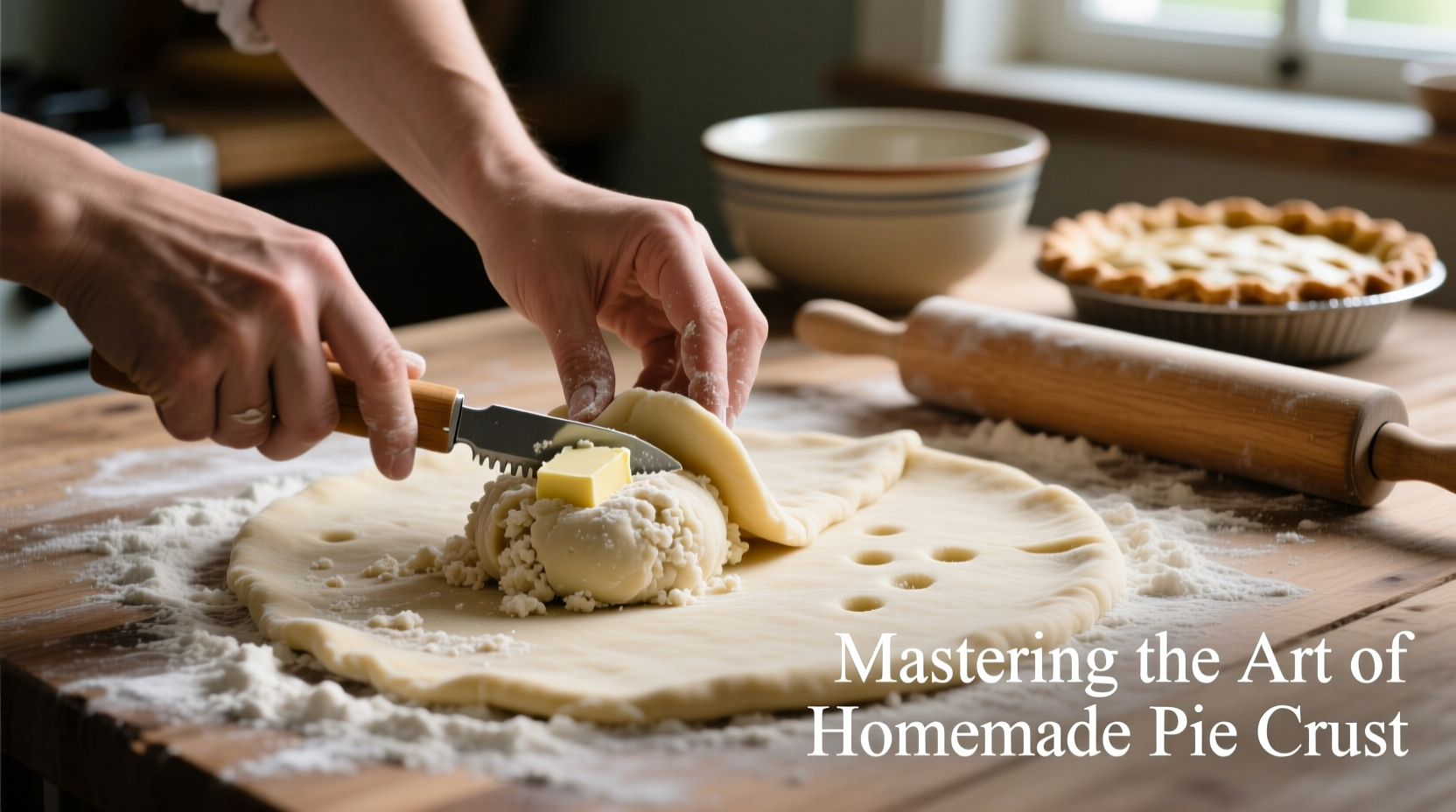
Flakiness in pie crust comes from pockets of steam created during baking. These pockets form when cold fat—typically butter or shortening—melts in the oven, releasing moisture that expands into steam. If the fat remains cold until it hits the heat, it creates distinct layers between the flour and water, resulting in a light, airy texture. Overworking the dough or using warm ingredients collapses these layers, leading to a dense, chewy crust.
Gluten development is another critical factor. When flour meets water and is agitated (e.g., overmixed), gluten proteins form a network that gives structure—but too much makes the crust tough. The goal is minimal gluten formation while still achieving cohesion.
Essential Ingredients and Their Roles
| Ingredient | Function | Best Practices |
|---|---|---|
| All-purpose flour | Provides structure via gluten formation | Sift or whisk before measuring; avoid packing |
| Cold unsalted butter | Creates flakiness and adds rich flavor | Grate frozen butter for even distribution |
| Vinegar or vodka (optional) | Suppresses gluten, enhances tenderness | Use 1 tsp vinegar or 1–2 tbsp vodka per crust |
| Ice water | Binds ingredients without activating gluten | Add gradually; stop once dough holds together |
| Salt | Enhances flavor and controls yeast in double-crust pies | Use fine sea salt for even dispersion |
“Temperature control is non-negotiable. Cold ingredients and a cool workspace are the two most important factors in achieving flaky layers.” — Chef Lillian Park, Pastry Instructor at Midwest Culinary Institute
Step-by-Step Guide to Perfect Pie Crust
- Chill everything. Place flour, bowl, and fat (butter/shortening) in the freezer for 15–20 minutes before starting. Ice water should be ready with ice cubes still floating.
- Combine dry ingredients. Whisk 2½ cups all-purpose flour with 1 tsp salt and 1 tsp sugar (if making a sweet pie). Sifting helps aerate and ensures even mixing.
- Cut in the fat. Add 1 cup (2 sticks) cold, cubed butter. Use a pastry cutter or two forks to break it into pea-sized pieces. For extra precision, grate frozen butter directly into the flour.
- Add liquid gradually. Sprinkle 6–8 tbsp ice water, one tablespoon at a time, mixing gently with a fork after each addition. Stop when the dough begins to clump and holds together when pinched.
- Form the dough. Divide into two equal portions, shape into discs, wrap in plastic, and refrigerate for at least 1 hour (up to 2 days). This relaxes gluten and rechills the fat.
- Roll out carefully. On a lightly floured surface, roll from center outward, turning dough a quarter turn every few rolls to prevent sticking and ensure even thickness (about ⅛ inch).
- Transfer and fit. Gently fold dough in quarters or roll onto rolling pin to move to pie dish. Press lightly into bottom and sides without stretching.
- Chill again before baking. Refrigerate lined pan for 30 minutes before adding filling or blind baking. This prevents shrinkage.
Avoid These Common Mistakes
- Using warm ingredients. Even room-temperature butter melts too soon, eliminating steam pockets.
- Overmixing the dough. Mix only until combined. Overworking develops gluten and leads to toughness.
- Skipping the chill time. Resting allows gluten to relax and fat to resolidify—critical for structure and flakiness.
- Stretching the dough into the pan. Stretched dough contracts during baking, causing thin spots and cracks.
- Baking on too low a rack. Position oven rack in the lower third to ensure the bottom crust gets direct heat and crisps properly.
Mini Case Study: From Soggy to Spectacular
Sarah, a home baker in Portland, had been making apple pie every Thanksgiving for years. Her filling was always praised, but the crust was consistently underwhelming—either burnt on top and raw underneath or soggy and broken. After researching techniques, she adjusted her method: she started pre-chilling her butter, used vodka in place of some water, and began blind-baking the bottom crust for 15 minutes before adding the filling. She also switched to a glass pie dish to monitor browning. Last holiday season, her pie received standing ovations. “I finally understood that the crust wasn’t just a container,” she said. “It’s half the experience.”
Pro Tips for Consistent Success
- Blind baking for custard or fruit pies:
- Line crust with parchment and fill with pie weights or dried beans. Bake at 375°F (190°C) for 15 minutes, then remove weights and bake 5–7 more minutes until golden.
- Egg wash for shine:
- Brush top crust with beaten egg or cream before baking for a glossy, professional finish.
- Prevent over-browning:
- Use a pie shield or foil ring over edges during the last half of baking.
- Freeze for later:
- Wrap unbaked dough discs tightly and freeze for up to 3 months. Thaw overnight in the fridge before rolling.
Frequently Asked Questions
Can I make pie crust ahead of time?
Yes. Prepared dough can be refrigerated for up to 48 hours or frozen for 3 months. Always let frozen dough thaw slowly in the refrigerator before rolling to prevent cracking.
Why does my crust shrink when I bake it?
Shrinkage usually happens when the dough was stretched during transfer or not chilled sufficiently before baking. Always handle gently and allow at least 30 minutes of chilling post-rolling.
Can I use all butter instead of shortening?
Absolutely. Butter provides superior flavor and flakiness. Some bakers use a blend (half butter, half shortening) for optimal texture and stability, but all-butter crusts work beautifully if kept cold and handled minimally.
Final Checklist Before You Begin
- ✅ All ingredients and tools are chilled
- ✅ Measuring cups and spoons ready
- ✅ Ice water prepared (with ice still in the bowl)
- ✅ Work surface clean and lightly floured
- ✅ Pie dish nearby and ready to receive dough
- ✅ Plastic wrap available for storage
- ✅ Oven rack positioned in lower third
Conclusion: Turn Practice into Perfection
Mastering homemade pie crust is less about innate talent and more about attention to detail. Each step—from chilling the butter to minimizing handling—builds toward a single goal: a crust that’s golden, crisp, and delicately flaky. It may take a few tries to refine your touch, but every attempt brings you closer to confidence and consistency. Baking is both science and craft, and the pie crust is where they meet most beautifully.




 浙公网安备
33010002000092号
浙公网安备
33010002000092号 浙B2-20120091-4
Comments
No comments yet. Why don't you start the discussion?