
Directing is not just about calling action and cutting—it’s about shaping vision, guiding performance, and orchestrating countless moving parts into a cohesive story. For aspiring directors, the journey from concept to screen can be overwhelming without a clear roadmap. This guide breaks down the core principles, workflows, and mindsets that define successful directing, offering actionable insights grounded in industry practice.
Understanding the Director’s Role
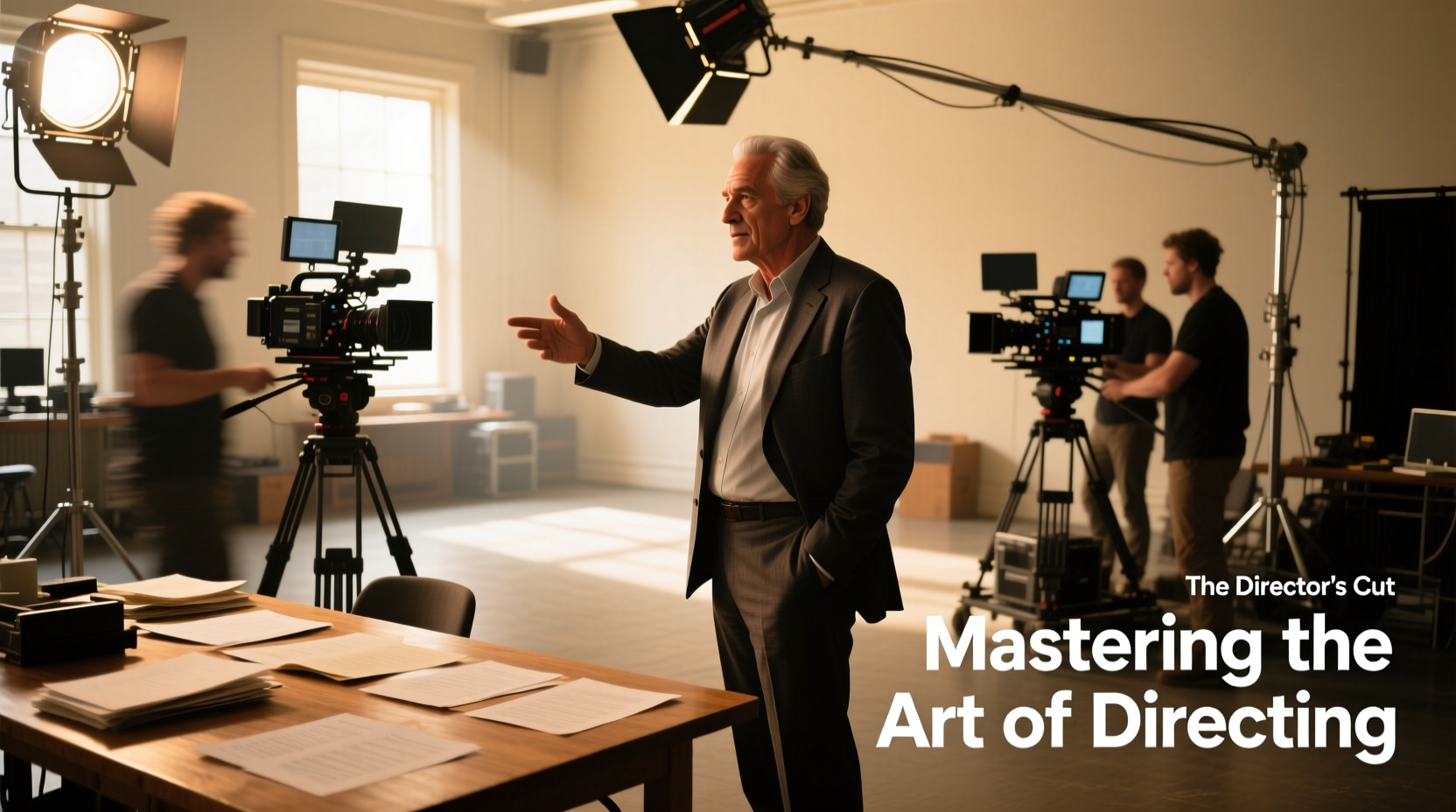
The director sits at the center of a film or stage production, serving as both creative visionary and operational leader. While writers shape the narrative and cinematographers craft the image, the director synthesizes these elements into a unified expression. A director interprets the script, guides actors’ performances, collaborates with department heads, and ensures every frame aligns with the intended tone and message.
Contrary to popular belief, directing isn’t about control—it’s about collaboration. The best directors listen intently, adapt quickly, and inspire others to elevate their work. They balance artistic instinct with logistical precision, often making split-second decisions under pressure.
“Direction is not about having all the answers. It’s about asking the right questions at the right time.” — Ava DuVernay, filmmaker and director of *Selma* and *When They See Us*
A Step-by-Step Directing Workflow
Becoming an effective director requires a structured approach. Follow this timeline to build competence and confidence across key phases of production:
- Script Breakdown (Pre-Production): Analyze the script scene by scene. Identify character arcs, emotional beats, visual motifs, and technical requirements. Mark camera angles, transitions, and potential challenges.
- Casting & Rehearsals: Hold auditions focused on authenticity over perfection. Once cast, conduct table reads and blocking rehearsals to explore dynamics and refine delivery.
- Shot List & Storyboarding: Work with your cinematographer to design a shot list that supports storytelling. Use storyboards or digital tools to visualize sequences.
- Location Scouting & Scheduling: Visit sets or filming locations early. Coordinate with the production manager to optimize shooting order based on logistics, lighting, and actor availability.
- On-Set Direction: Maintain a calm presence. Communicate clearly with crew and actors. Prioritize performance while ensuring technical standards are met.
- Post-Production Collaboration: Review dailies regularly. Provide feedback during editing, sound mixing, and color grading. Stay involved but trust your editors and collaborators.
Essential Skills Every Director Must Develop
Technical knowledge matters, but soft skills determine long-term success. Directors must cultivate a blend of emotional intelligence, leadership, and creative resilience.
- Active Listening: Pay attention to actors’ interpretations and crew suggestions. Sometimes the best ideas come from unexpected places.
- Clear Communication: Avoid vague direction like “be more emotional.” Instead, use specific, actionable language: “Deliver that line like you’re hiding pain behind a smile.”
- Decision-Making Under Pressure: Sets are unpredictable. Weather changes, equipment fails, actors fall ill. A director must remain calm and decisive.
- Empathy: Understand characters deeply and connect with performers on a human level. This builds trust and unlocks authentic performances.
- Visual Literacy: Study paintings, photographs, and films. Learn how composition, light, and movement convey meaning beyond dialogue.
Do’s and Don’ts of On-Set Leadership
| Do | Don't |
|---|---|
| Give actors space to explore during early takes | Rush performances or demand perfection immediately |
| Hold brief morning huddles with department heads | Isolate yourself from key crew members |
| Use walkie-talkies sparingly; speak face-to-face when possible | Bark orders over comms without context |
| Protect your actors from unnecessary distractions | Allow crew to critique performances within earshot |
| Stay open to improvisation if it serves the story | Reject all deviations from the script rigidly |
Real Example: Directing a Low-Budget Short Film
Lena Park, a first-time director, was tasked with shooting a 12-minute drama on a $5,000 budget. With limited rehearsal time and non-professional actors, she focused on preparation. She held three virtual table reads, created a detailed shot list using free storyboard software, and rehearsed blocking in her apartment using furniture as stand-ins.
On set, she encountered a power outage that delayed lighting setup. Instead of panicking, she used the downtime to run additional takes with her lead actor, refining a pivotal monologue. By staying flexible and prioritizing performance, she delivered a film that premiered at a regional festival and earned praise for its emotional depth.
Her takeaway? “Preparation gave me confidence. When things went wrong, I didn’t lose focus because I knew the scenes inside out.”
Checklist: Preparing for Your First Directing Gig
Before stepping onto set, ensure you’ve completed these critical steps:
- ✅ Read and re-read the script until you know every beat
- ✅ Break down scenes for tone, pacing, and required coverage
- ✅ Finalize casting and confirm availability of all actors
- ✅ Collaborate with the DP on lens choices and lighting plan
- ✅ Visit all locations and assess access, noise, and power needs
- ✅ Create a shot list and rough storyboard for key sequences
- ✅ Schedule rehearsals with actors, even if only virtual
- ✅ Prepare a director’s binder with call sheets, contact lists, and scene notes
- ✅ Define your core visual and emotional themes for consistency
- ✅ Set up post-production review workflow with editor
Frequently Asked Questions
How do I give notes to actors without discouraging them?
Frame feedback around the character, not the person. Instead of saying “That wasn’t believable,” try “What if your character is trying to hide their fear here?” This keeps the focus on the role and reduces defensiveness. Always offer a solution or suggestion, not just criticism.
Should I direct every shot exactly as storyboarded?
Storyboards are guides, not gospel. If an actor discovers a more natural movement during blocking, adapt. Some of the best cinematic moments emerge spontaneously. Use storyboards to prepare, not to restrict.
How much should I involve myself in editing?
Be present in the edit room, especially in early cuts. Your vision anchors the process. However, trust your editor’s expertise in pacing and rhythm. A collaborative edit often produces stronger results than a director working alone.
Conclusion: Start Directing, Not Waiting
Mastery in directing comes not from theory, but from doing. You don’t need a big budget or studio approval to begin. Pick up a camera, gather friends, write a short scene, and direct it. Analyze what worked and what didn’t. Repeat.
The most respected directors started exactly where you are—full of questions, limited resources, but driven by a desire to tell stories. Build your skills deliberately, lead with empathy, and stay committed to the craft. The world doesn’t need more perfect directors. It needs authentic ones.




 浙公网安备
33010002000092号
浙公网安备
33010002000092号 浙B2-20120091-4
Comments
No comments yet. Why don't you start the discussion?