
Tulle, with its delicate net-like structure, brings an ethereal quality to any outfit. When used in tops, especially sheer or semi-transparent styles, it introduces a sense of romanticism and modern sophistication. Yet, many hesitate to wear such pieces, fearing exposure or imbalance in proportion. The key lies not in avoiding transparency, but in mastering how to layer it with intention. Done well, a tulle top can elevate your look from simple to striking—without sacrificing comfort or modesty.
The secret to wearing sheer tulle with confidence is thoughtful layering. It’s about creating depth, contrast, and visual interest while maintaining balance between boldness and subtlety. Whether you're dressing for a garden party, a dinner date, or even a creative office environment, understanding how to style this fabric ensures you project both elegance and self-assurance.
Understanding Tulle: Structure, Sheerness, and Style
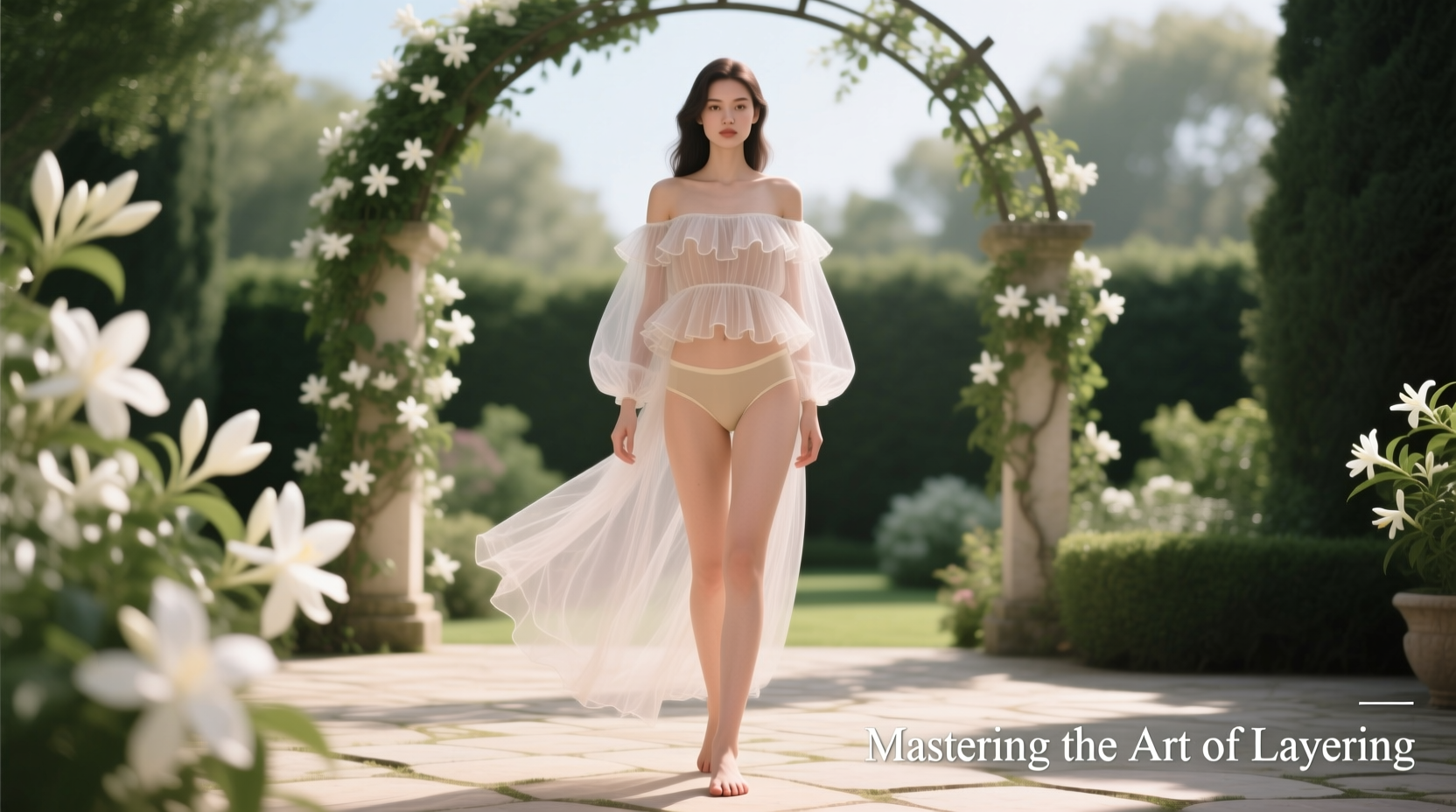
Tulle is a lightweight, stiff netting typically made from silk, nylon, or polyester. Its open weave creates transparency, which varies by density—some tulle is subtly sheer, while other variations are almost fully see-through. This variation influences how you should approach layering.
When selecting a tulle top, consider three factors:
- Density: Thicker tulle offers more coverage and can be worn over lighter layers without overwhelming them.
- Color: White, black, and nude are versatile; pastels add softness; metallics bring drama.
- Cut: Fitted silhouettes work best with sleek underlayers, while oversized or ruffled designs benefit from streamlined bases.
Layering isn’t merely functional—it’s expressive. A tulle top allows glimpses of what’s beneath, turning the underlying garment into part of the design narrative.
“Transparency in fashion isn’t about revealing skin—it’s about revealing personality. How you layer sheer fabrics speaks volumes about your aesthetic intelligence.” — Isabelle Nguyen, Fashion Stylist & Editorial Director at *Loom Magazine*
Choosing the Right Base Layer
The foundation of any successful tulle ensemble is the undergarment or base layer. This piece supports the tulle structurally and visually defines the final look.
For transparent tulle, opt for garments that complement rather than compete:
- Camisoles: Silk or satin camis in neutral tones provide smooth coverage and a luxe feel.
- Bodysuits: Seamless styles eliminate gaps and ensure clean lines under fitted tulle.
- Structured bras: For minimal layering, choose longline or balconette styles in matching hues.
- Tanks with built-in support: Ideal for casual settings where comfort meets polish.
Avoid bulky seams, logos, or overly textured fabrics underneath, as these will disrupt the fluidity of the tulle. Stick to clean silhouettes and harmonious colors—think ivory under cream, charcoal under black, blush under pale pink.
Styling Techniques for Different Occasions
Layering a tulle top successfully depends on context. The same garment can transition from daytime chic to evening glamour with small adjustments.
Daytime Elegance: Office or Brunch
Pair a short-sleeve tulle blouse with a crisp white tank and high-waisted tailored trousers. Add pointed flats or low block heels. A structured blazer draped over the shoulders maintains professionalism while hinting at texture beneath.
Evening Glamour: Dinner or Cocktail Events
Wear a floor-length tulle sleeve top over a sleek slip dress in a complementary shade. Let the hem of the dress peek through slightly. Finish with minimalist jewelry and strappy heels. The interplay of textures—glossy silk below, airy tulle above—creates dimension without excess.
Casual Refinement: Weekend Outings
Style a cropped tulle top over a fitted long-sleeve bodysuit with dark wash jeans. Add ankle boots and a wide-brimmed hat for a touch of editorial flair. Keep accessories minimal to let the tulle speak.
| Occasion | Base Layer | Outer Pairing | Footwear |
|---|---|---|---|
| Office | Silk cami + blazer | Wool trousers | Loafers or pumps |
| Cocktail | Slip dress | Statement earrings | Strappy heels |
| Weekend | Long-sleeve bodysuit | High-waisted jeans | Ankle boots |
Step-by-Step Guide to Perfect Layering
Follow this sequence to build a balanced, elegant look around your tulle top:
- Start with skin tone analysis: Choose base layers in shades that flatter your complexion—nudes, ivories, or cool grays enhance warmth or contrast appropriately.
- Select a supportive foundation: Ensure your bra or camisole provides shape and doesn’t shift under the tulle.
- Try before committing: Put on the full ensemble and move around—sit, stretch, walk—to check for slippage or unintended exposure.
- Add outer structure: Introduce a jacket, vest, or cardigan if needed for modesty or temperature control.
- Finalize with accessories: Belts, necklaces, or scarves can anchor the look and draw attention upward.
Avoiding Common Mistakes
Even experienced stylists occasionally misstep when handling sheer fabrics. Here are frequent pitfalls and how to avoid them:
- Mismatched undertones: A warm peach camisole under cool-toned gray tulle can look jarring. Stick to consistent color families.
- Over-layering: Too many textures (e.g., turtleneck + cami + tulle) create bulk. Simplicity enhances elegance.
- Ignoring fit: Loose tulle over loose layers results in shapelessness. Balance volume with structure.
- Wrong footwear pairing: Delicate tulle paired with heavy boots can unbalance proportions unless intentionally styled.
“Less is more with tulle. One strong layer beneath, one defining piece on top—that’s the formula for timeless appeal.” — Marcus Reed, Senior Stylist at *Atelier Collective*
Real-Life Example: From Hesitant to Confident
Sophia, a 34-year-old marketing consultant, purchased a black sheer tulle blouse after seeing it on a runway recap. At first, she wore it only with a thick black t-shirt underneath, dulling its effect. After consulting a stylist, she switched to a deep V-neck bodysuit in charcoal—a shade darker than her skin but lighter than the tulle. She paired it with wide-leg crepe pants and a narrow gold belt. At her next client dinner, multiple colleagues complimented her look, mistaking it for a designer ensemble. The change wasn’t in the garment, but in the precision of its layering.
Frequently Asked Questions
Can I wear a tulle top without anything underneath?
Yes, but only if the tulle is densely woven and you’re in a setting where sheer elements are socially acceptable. For most public environments, a subtle base layer is recommended for both comfort and coverage.
What if my tulle snags easily?
Nylon and polyester tulle are more durable than silk. Store it separately in a breathable cotton bag, away from zippers or rough fabrics. Avoid wearing with textured outerwear like bouclé.
How do I wash a tulle top without damaging it?
Hand wash in cold water with mild detergent. Lay flat to dry—never wring or hang, as this stretches the netting. For persistent odors, use a fabric refresher spray between wears.
Checklist: Your Tulle Layering Essentials
- ✔️ Assess tulle density and sheerness
- ✔️ Choose a seamless, tonal base layer
- ✔️ Test movement and coverage in daylight
- ✔️ Pair with structured bottoms or outerwear
- ✔️ Use fashion tape for stability
- ✔️ Select accessories that enhance, not overwhelm
- ✔️ Store properly to maintain shape and texture
Conclusion: Embrace the Art, Own the Look
Mastering the art of layering a transparent tulle top isn’t about hiding or covering up—it’s about curating visibility with purpose. Each layer tells a story: of texture, tone, and taste. With the right foundation, thoughtful pairings, and attention to detail, tulle transforms from a risky choice into a signature statement.
Elegance isn’t found in perfection, but in intention. The next time you reach for that delicate tulle piece hanging in your closet, don’t hesitate. Layer with care, style with confidence, and step out knowing you’ve turned fragility into strength.




 浙公网安备
33010002000092号
浙公网安备
33010002000092号 浙B2-20120091-4
Comments
No comments yet. Why don't you start the discussion?