
The V-neck cardigan is a timeless staple in modern wardrobes—versatile, elegant, and inherently functional. When temperatures drop, simply throwing on a sweater isn’t always enough. The key to staying warm without sacrificing style lies in strategic layering. A well-layered V-neck cardigan not only enhances thermal comfort but also adds depth, texture, and sophistication to your outfit. Whether you're dressing for work, a weekend brunch, or an evening out, mastering this technique elevates both function and fashion.
Why the V-Neck Cardigan Excels in Layering
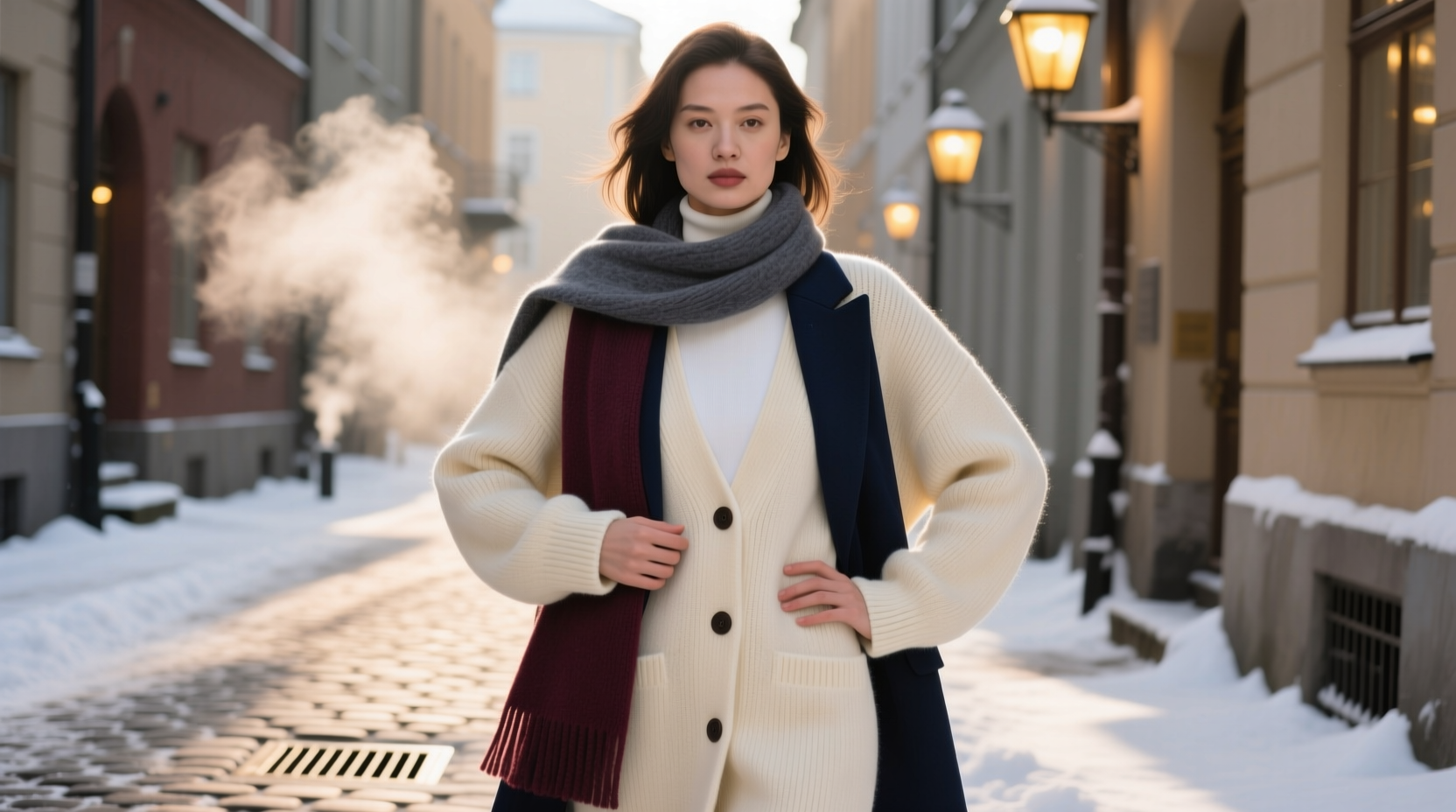
Unlike crewnecks or turtlenecks, the V-neck design offers a unique advantage: it reveals just enough of the garment beneath to create visual interest while maintaining warmth. This open neckline elongates the torso, frames the face, and allows for seamless integration with collared shirts, scarves, or layered tops. Its structure naturally lends itself to being worn over or under other pieces, making it one of the most adaptable outerwear options in transitional and cold-weather dressing.
Fashion historians note that the V-neck cardigan rose to prominence in the early 20th century as part of sportswear and academic attire. Today, its evolution includes everything from chunky knits to fine-gauge merino wool, each suitable for different layering approaches depending on climate, occasion, and personal aesthetic.
“Layering isn’t about bulk—it’s about balance. The V-neck cardigan is a bridge between formality and comfort, making it ideal for intelligent layering.” — Marcus Lang, Menswear Stylist & Consultant
Step-by-Step Guide to Effective Layering
Successful layering follows a logical sequence that prioritizes insulation, breathability, and silhouette. Follow these steps to build a polished, warm ensemble around your V-neck cardigan:
- Base Layer – Moisture Management: Start with a lightweight, fitted top such as a cotton T-shirt, thermal long-sleeve, or merino wool undershirt. This layer wicks moisture and regulates body temperature.
- Middle Layer – Insulation: Add a button-up shirt, turtleneck, or thin sweater. For men, a crisp Oxford or flannel shirt works well; women might opt for a silk blouse or fine cashmere turtleneck.
- Cardigan Layer – Texture & Structure: Drape the V-neck cardigan over the middle layer. Ensure shoulders align properly and sleeves don’t bunch. Adjust the drape so the V reveals a tasteful portion of the layer underneath.
- Outer Layer (if needed) – Weather Protection: Finish with a tailored coat, trench, or wool overcoat. Leave the cardigan fully visible at the collar and cuffs for stylistic contrast.
- Accessories – Final Touches: Incorporate a scarf, pocket square, or belt to define the waist and add cohesion.
Material Matters: Choosing the Right Fabric Combination
Not all fabrics play well together. Friction, pilling, and overheating can occur when incompatible materials are layered. Understanding fiber properties helps maintain comfort and garment longevity.
| Fabric Type | Best Paired With | Avoid Pairing With | Reason |
|---|---|---|---|
| Merino Wool | Cotton, Silk, Bamboo | Rough Denim, Synthetic Fleece | Soft and breathable; prone to pilling against abrasives |
| Cashmere | Silk, Fine Cotton | Polyester, Nylon | Luxurious but delicate; static builds with synthetics |
| Acrylic Blend | Most fabrics (budget-friendly) | Wool (unless lined) | Can trap heat; less breathable than natural fibers |
| Cotton Knit | Linens, Lightweight Polyesters | Heavy Wools | Minimal insulation; best for mild climates |
Selecting complementary textures ensures smooth movement, reduces wear, and maintains a refined look throughout the day.
Real-Life Example: Office to Evening Transition
Sophia, a marketing executive based in Chicago, uses her navy V-neck cardigan as a cornerstone of her weekday wardrobe. In the morning, she layers it over a white button-down shirt tucked into high-waisted trousers—professional and polished. As she heads to a client dinner, she unbuttons the cardigan, revealing a shimmer camisole beneath, swaps flats for heels, and adds a statement necklace. The same piece transitions seamlessly from boardroom to bar, proving that thoughtful layering maximizes both utility and elegance.
This approach saves space in her work bag and eliminates the need for multiple outerwear items. By choosing a cardigan in a neutral color with subtle texture, Sophia maintains versatility across seasons and settings.
Checklist: Perfect Your V-Neck Layering Routine
- ✅ Choose a well-fitted cardigan—snug but not tight across shoulders
- ✅ Opt for a slightly longer length to cover hips when seated
- ✅ Match the weight of your layers to the weather (lightweight for spring/fall, heavy knit for winter)
- ✅ Coordinate colors using tonal or complementary palettes
- ✅ Ensure collars and hems align neatly—no bunching or twisting
- ✅ Use accessories like belts or brooches to define the waistline
- ✅ Test mobility: raise arms, sit down, and walk to check comfort
Common Mistakes to Avoid
Even seasoned dressers occasionally misstep when layering. Recognizing these pitfalls can save time and enhance appearance:
- Over-layering: More isn’t always warmer. Excess fabric restricts circulation and creates an unflattering silhouette.
- Ignoring Proportions: A bulky cardigan over a thick sweater overwhelms smaller frames. Balance volume with slim bottoms.
- Mismatched Lengths: Avoid having every layer end at the same hemline. Stagger lengths for visual flow.
- Clashing Textures: Combining too many shiny, fuzzy, or ribbed fabrics distracts the eye. Stick to one dominant texture per outfit.
FAQ: Your Layering Questions Answered
Can I wear a V-neck cardigan over a suit?
Absolutely. A fine-gauge V-neck in charcoal, navy, or black can be worn over a dress shirt and tie for a smart-casual or business-relaxed look. Just ensure the cardigan doesn’t ride up when sitting and that the V aligns with the suit’s lapel angle.
Is it appropriate to leave the cardigan unbuttoned?
Yes—especially when showcasing a stylish shirt or necklace underneath. Button only the second or third button for a relaxed drape. Fully buttoned reads more formal; unbuttoned exudes effortless cool.
How do I prevent my cardigan from stretching out?
Always hang knits on padded hangers or fold them neatly. Avoid pulling arms through tightly, and never dry clean unless specified. Hand wash in cold water and lay flat to dry.
Conclusion: Elevate Your Everyday Style
Mastering the art of layering a V-neck cardigan transforms a simple garment into a dynamic tool for self-expression and thermal regulation. It bridges seasonal gaps, refines silhouettes, and adapts to diverse environments with minimal effort. The secret lies not in complexity, but in intention—choosing the right fabrics, proportions, and combinations that reflect both practical needs and personal taste.




 浙公网安备
33010002000092号
浙公网安备
33010002000092号 浙B2-20120091-4
Comments
No comments yet. Why don't you start the discussion?