
Tweed coats have long been symbols of timeless elegance and rugged sophistication. Originally crafted for outdoor pursuits in the British countryside, their durability and texture have made them wardrobe staples across seasons and styles. Today, the tweed coat transcends tradition, offering endless possibilities when layered thoughtfully. Whether you're braving autumn winds or elevating a winter ensemble, mastering the art of layering with a tweed coat combines warmth, structure, and sartorial flair.
The key to success lies not just in choosing the right coat, but in understanding how each layer contributes to both comfort and aesthetic. From base layers to outer accents, every piece should serve a purpose—functionally and visually. Done well, layering with tweed creates depth, dimension, and a polished silhouette that feels intentional without appearing overdone.
Understanding Tweed: Texture, Weight, and Fit
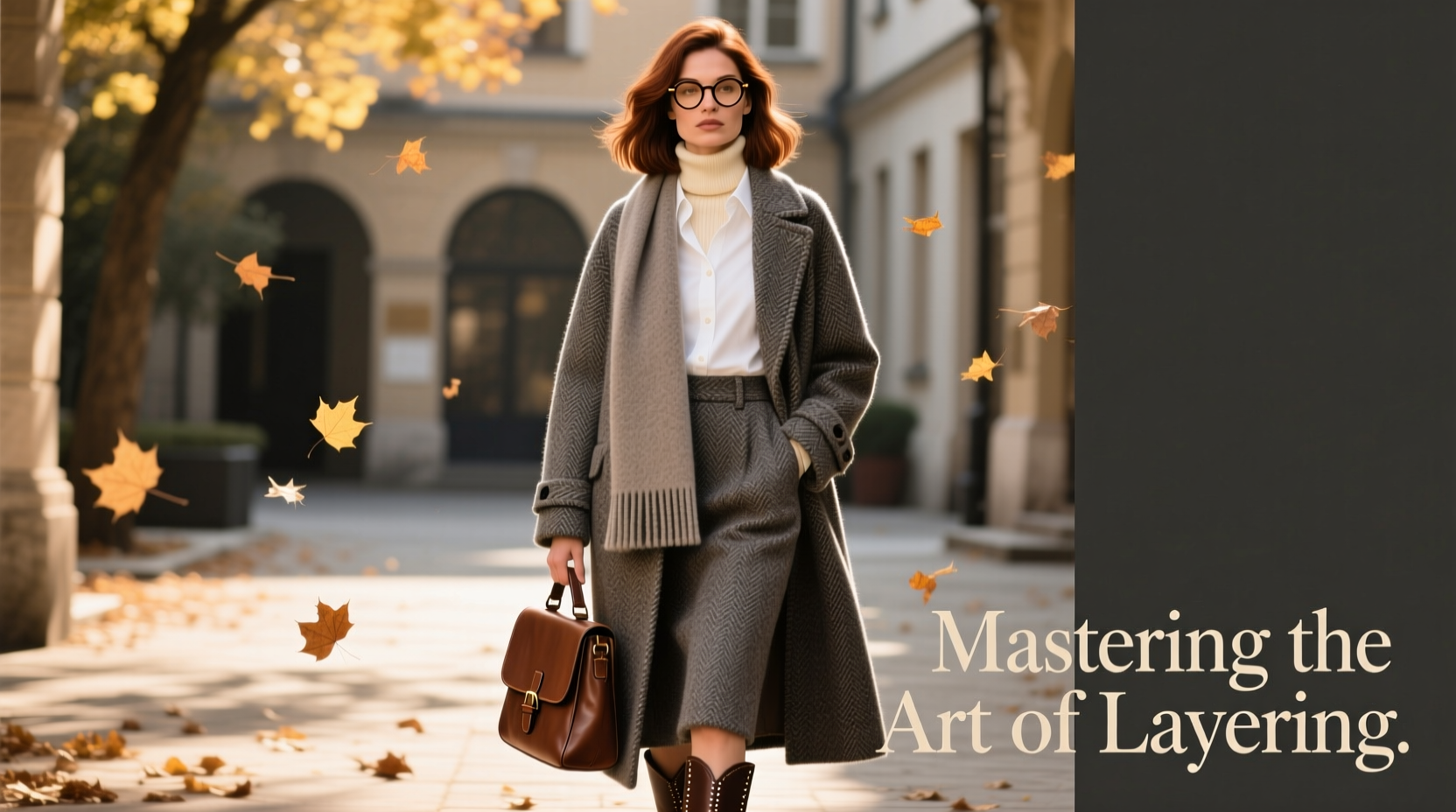
Before building layers, it's essential to understand your tweed coat’s characteristics. Tweed varies significantly by weave, fiber blend, and weight. Harris Tweed, handwoven in Scotland, tends to be dense and warm, ideal for colder climates. Lightweight Donegal tweed offers more breathability, making it suitable for transitional weather.
Fabric composition also affects layering potential. A 100% wool tweed provides excellent insulation and drapes well over structured pieces. Blends with synthetic fibers may offer stretch and wrinkle resistance but can trap moisture. Always check the lining—some tweed coats come fully lined for warmth, while unlined versions allow greater flexibility in mid-layer thickness.
Fit is equally critical. Traditional tweed coats often feature a slightly boxy cut to accommodate layering. If your coat fits tightly across the chest or shoulders, bulky layers underneath will distort its shape. Opt for tailored-but-generous silhouettes that allow room for sweaters or vests without straining buttons or pulling seams.
The Layering Framework: Base, Mid, and Outer
Effective layering follows a three-tier system: base, mid, and outer. Each plays a distinct role in temperature regulation, comfort, and visual harmony.
- Base Layer: This sits closest to the skin and manages moisture. Choose breathable, form-fitting fabrics like merino wool, cotton jersey, or thermal knits. Avoid bulky turtlenecks unless they’re finely knit—thick materials create bulk under tailored shirts or blazers.
- Mid Layer: Adds insulation and style. Think fine-gauge sweaters, vests, button-downs, or lightweight cardigans. This is where personal expression shines—paisley silk scarves tucked beneath a waistcoat or a cable-knit pullover peeking from under a shirt collar add subtle interest.
- Outer Layer: The tweed coat itself acts as both protection and statement piece. Its textured surface contrasts beautifully with smoother inner fabrics, creating tactile contrast that elevates even simple outfits.
Balance is crucial. A heavy cable-knit sweater paired with a thick flannel shirt might overwhelm a lightweight herringbone tweed. Conversely, a sheer silk blouse under a dense Harris Tweed could get lost. Aim for progressive thickness—from lightest inside to heaviest outside.
Do’s and Don’ts of Tweed Layering
| Do | Don’t |
|---|---|
| Use contrasting textures (e.g., smooth cotton shirt under nubby tweed) | Layer multiple textured pieces that compete (e.g., corduroy + rough-knit + tweed) |
| Roll sleeves slightly to show cuff details of shirts or sweaters | Let layers bunch at wrists or necklines |
| Choose mid-layers in coordinating tones (navy vest under charcoal coat) | Mix clashing patterns (plaid shirt under windowpane tweed) |
| Adjust layer thickness based on climate and activity | Wear non-breathable synthetics next to skin in cold, damp conditions |
| Use a slim belt to define waist over layered pieces | Allow coats to gape open due to excessive bulk underneath |
Real-World Example: Autumn Commute Outfit
Sophia, a graphic designer in Edinburgh, faces chilly mornings and indoor heating all day. Her solution? A camel-hued herringbone tweed coat with a double-breasted closure. She starts with a charcoal merino base layer—a mock-neck top that wicks moisture and retains heat. Over this, she adds a fitted oxford shirt in pale blue, left unbuttoned at the collar for softness. Next, a sleeveless quilted nylon vest in navy provides core warmth without arm restriction. The tweed coat completes the look, cinched with a leather belt at the waist.
This combination allows her to remove the vest indoors without compromising style. The visible shirt collar and roll-up shirt cuffs maintain polish, while the merino base ensures she doesn’t overheat. The entire ensemble works because each layer serves a function and complements the next in color and texture.
“Tweed isn’t just outerwear—it’s architecture for your outfit. When you layer with intention, you build both warmth and character.” — Julian Hart, Menswear Stylist & Textile Consultant
Step-by-Step Guide to Building a Layered Tweed Ensemble
Follow this sequence to construct a balanced, stylish look:
- Assess the weather and environment. Will you move between heated spaces and outdoors? Is wind or rain expected?
- Select your base layer. Opt for moisture-wicking material in a neutral tone that won’t show through lighter shirts.
- Add a functional mid-layer. Choose a sweater, vest, or shirt that enhances warmth without adding volume. Fine-gauge cashmere or cotton-blend turtlenecks work well.
- Incorporate visual interest. Use collars, pocket squares, or scarves to introduce color or pattern subtly.
- Put on the tweed coat. Ensure sleeves align properly and the fit remains clean across shoulders and chest.
- Final check. Move your arms, sit down, and walk around. Adjust any twisted layers or tight areas.
Checklist: Perfect Your Tweed Layering Routine
- ☐ Confirm coat size accommodates desired layers
- ☐ Choose a moisture-wicking base layer in appropriate weight
- ☐ Select mid-layer with complementary texture and hue
- ☐ Avoid overly busy patterns beneath the tweed
- ☐ Test mobility and comfort before leaving home
- ☐ Carry a compact foldable scarf for extra warmth if needed
- ☐ Groom collar and lapels for a sharp finish
Frequently Asked Questions
Can I wear a hoodie under a tweed coat?
Only if the hoodie is ultra-slim and worn in casual settings. A cotton or merino-blend crewneck hoodie in heather gray or black can work with a relaxed-fit tweed jacket, especially paired with jeans. However, avoid puffer hoodies or oversized styles—they disrupt the coat’s drape and undermine its elegance.
How do I prevent static and friction between layers?
Natural fibers reduce static buildup. Use fabric conditioners when washing synthetics, and consider a light anti-static spray. Silk or modal linings in shirts also help layers glide smoothly. Avoid rubbing synthetic fabrics directly against dry skin in low humidity.
Is it appropriate to layer a blazer under a tweed coat?
Rarely—and only with very lightweight blazers and loose-cut coats. Most blazers are designed as outer layers; placing one beneath tweed creates excess bulk and distorts tailoring. Instead, opt for a waistcoat or cardigan as a mid-layer to preserve structure.
Conclusion: Elevate Your Style with Intentional Layering
Mastering the art of layering with a tweed coat transforms a classic garment into a dynamic tool for self-expression and seasonal adaptability. It’s not about stacking clothes, but about curating a system where each piece supports the next—functionally and aesthetically. With attention to fabric, fit, and proportion, you can craft ensembles that are as comfortable as they are compelling.




 浙公网安备
33010002000092号
浙公网安备
33010002000092号 浙B2-20120091-4
Comments
No comments yet. Why don't you start the discussion?