
Lining heeled shoes is more than a cosmetic upgrade—it’s an investment in comfort, durability, and foot health. High heels, while stylish, often come with inherent flaws: thin or absent linings, stiff interiors, and materials that trap moisture. Over time, these issues lead to blisters, odor buildup, premature wear, and discomfort that can sideline even the most elegant pair. By mastering the art of lining, you not only extend the life of your footwear but also transform how they feel with every step.
This guide walks through the why, when, and how of lining heeled shoes effectively. Whether you're revitalizing vintage heels, customizing new purchases, or protecting a favorite pair from daily strain, the right lining technique makes a measurable difference.
The Importance of Proper Lining in Heeled Shoes
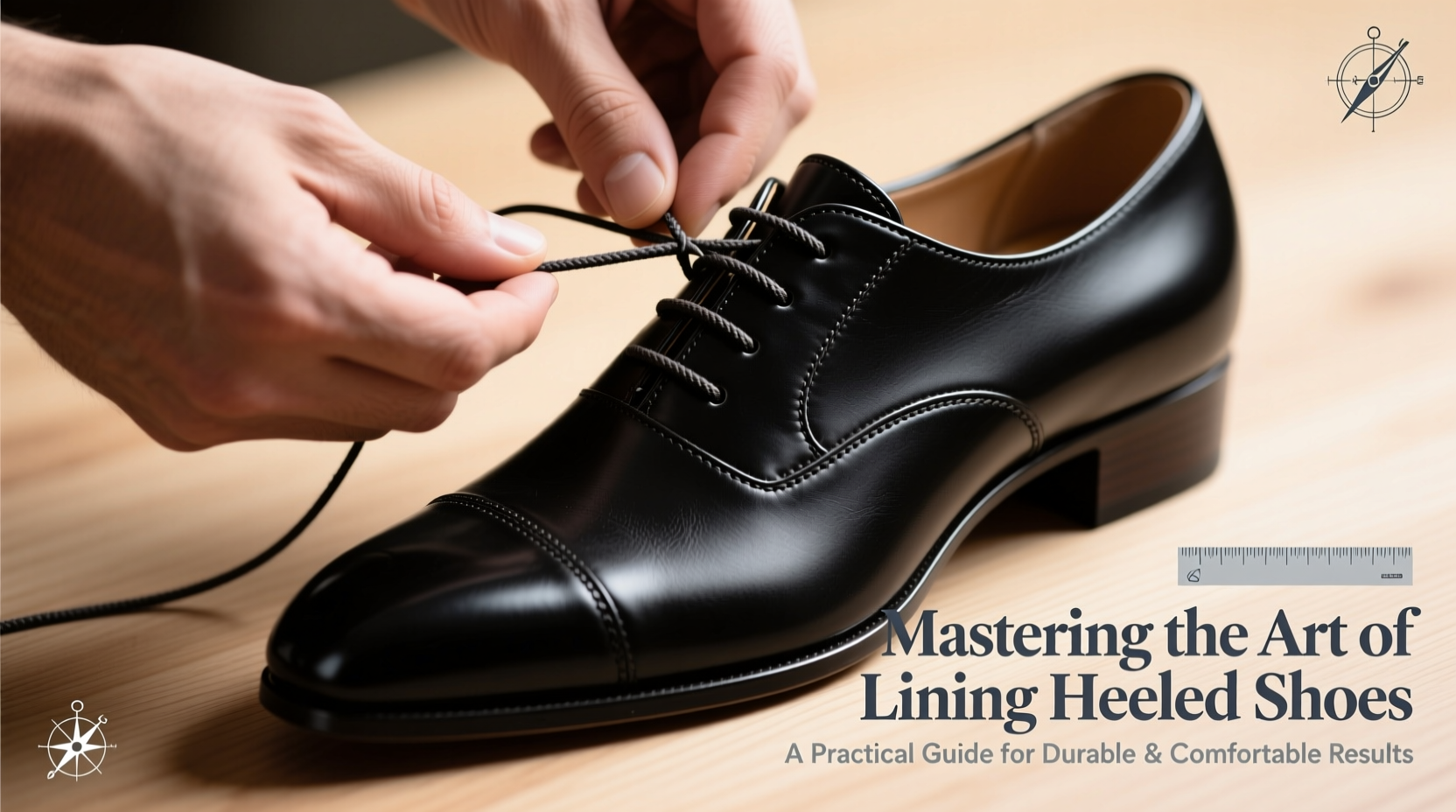
Heels are subjected to unique stress points—pressure concentrated at the ball of the foot, friction along the heel counter, and constant movement within the shoe. Without adequate internal protection, these forces degrade both the shoe and the wearer’s comfort. A well-executed lining acts as a protective barrier, absorbing impact, wicking moisture, and reducing abrasion.
Natural materials like leather or soft textiles allow breathability while synthetic linings may offer added cushioning or antimicrobial properties. The choice depends on the shoe’s structure, frequency of use, and environmental conditions (e.g., humidity, temperature).
“Shoe lining isn’t just about padding—it’s about creating a micro-environment inside the shoe that supports foot function and material integrity.” — Dr. Lena Torres, Podiatric Biomechanics Specialist
Materials and Tools You’ll Need
Before beginning, gather the necessary supplies. Using the correct tools ensures precision and prevents damage to the shoe’s structure.
| Material/Tool | Purpose | Recommended Type |
|---|---|---|
| Foam Padding Sheets | Cushion high-pressure zones | 3–5mm memory foam or latex |
| Leather or Suede Lining Fabric | Create breathable, durable interior layer | Goatskin or split suede for flexibility |
| Shoe Adhesive (Contact Cement) | Bond lining securely without warping | Barge All-Purpose Cement or TUK Shoe Goo |
| Scissors & Craft Knife | Precise cutting around curves | Sharp, fine-tipped blades |
| Wax Paper | Protect sole during drying | Standard kitchen-grade wax paper |
| Rubber Mallet or Soft Hammer | Smooth lining without creasing | For pressing seams flat |
Optional additions include antimicrobial sprays, moisture-wicking fabric liners, and heel grip pads for extra security.
Step-by-Step Guide to Lining Heeled Shoes
Lining requires patience and attention to detail. Follow this sequence for professional-quality results.
- Remove Existing Insole (if present): Use a flat tool like a butter knife to gently pry out the insole. Preserve it as a template if intact.
- Trace and Cut Lining Material: Place the insole or footbed on your chosen lining fabric. Trace around it with chalk, adding a 3mm seam allowance. Cut carefully along the outline.
- Prepare the Interior Cavity: Clean the shoe’s interior with a dry cloth. Remove dust or residue that could interfere with adhesion.
- Apply Adhesive: Using a small brush, apply a thin, even layer of contact cement to both the shoe’s footbed area and the back of the lining piece. Wait 3–5 minutes until tacky.
- Insert and Press: Align the lining precisely, starting from the heel and smoothing forward. Use a rubber mallet to press out air bubbles and ensure full contact.
- Seal Edges (Optional): For high-use heels, fold excess fabric over the rim and secure with additional adhesive or stitching for durability.
- Dry Under Weight: Place wax paper inside the shoe and set a heavy book or shoe form on top. Let cure for at least 12 hours.
Common Mistakes to Avoid
- Using non-breathable materials: Vinyl or plastic linings trap sweat, leading to odor and bacterial growth.
- Skipping the curing time: Rushing the drying process compromises bond strength and can result in peeling.
- Over-padding: Thick foam alters fit and may make the shoe too tight, increasing pressure points.
- Misalignment: Off-center linings create uneven support and can shift during wear.
- Ignoring structural differences: Pumps, stilettos, and block heels have distinct internal shapes; tailor your approach accordingly.
Real-World Example: Reviving Vintage Evening Heels
Sophia, a vintage fashion collector, inherited a pair of 1960s satin court heels from her grandmother. Though structurally sound, the original rayon lining was frayed and offered no cushioning. After researching restoration techniques, she decided to reline them herself.
She used a thin layer of memory foam backed with soft lambskin lining. She carefully adhered the pieces using Barge cement, ensuring smooth application by working from heel to toe. After 24 hours of drying under light pressure, the heels were transformed—comfortable enough for a wedding reception, yet preserved their authentic silhouette.
“They finally feel as good as they look,” Sophia said. “Now I can wear them without worrying about blisters or further damage.”
Expert Tips for Long-Term Success
“The best lining work is invisible. It should enhance function without altering the shoe’s intended fit or aesthetic.” — Marcus Reed, Bespoke Shoemaker, London
- Rotate lined heels to prevent continuous compression of padding.
- Use cedar shoe trees occasionally to absorb moisture and maintain shape.
- Spot-clean linings monthly with a damp microfiber cloth and mild soap.
- Avoid machine washing or soaking—this delaminates glued layers and shrinks natural fabrics.
Do’s and Don’ts of Heel Lining
| Do | Don't |
|---|---|
| Use breathable, flexible materials like leather or mesh | Apply thick foam that alters shoe fit |
| Allow 12+ hours for adhesive curing | Wear shoes immediately after lining |
| Custom-cut for each shoe—even matching pairs vary slightly | Assume factory symmetry |
| Reinforce high-friction zones like the heel cup | Leave raw edges exposed to rubbing |
| Test adhesives on hidden areas first | Use household glues like super glue or tape |
Frequently Asked Questions
Can I line heels without removing the insole?
Yes, if the existing insole is firmly attached and in good condition. You can add a secondary lining layer directly on top using double-sided shoe tape or spray adhesive designed for textiles. However, this slightly reduces interior space and may affect fit with narrow feet.
How long does a proper lining job last?
With quality materials and correct installation, a lining can endure 1–3 years of regular wear. Signs it needs replacement include loosening edges, visible wear, or loss of cushioning. Rotating shoes extends lifespan significantly.
Is it worth lining inexpensive heels?
It depends on usage. If you own affordable heels worn occasionally, simple inserts may suffice. But for frequent wear or sentimental value, relining—even on budget shoes—can dramatically improve comfort and justify the effort.
Final Thoughts and Call to Action
Mastering the art of lining heeled shoes bridges the gap between style and sustainability. It empowers wearers to take control of comfort, reduce waste, and preserve beloved footwear beyond seasonal trends. With the right materials, methodical execution, and ongoing care, any pair of heels can become both durable and delightful to wear.




 浙公网安备
33010002000092号
浙公网安备
33010002000092号 浙B2-20120091-4
Comments
No comments yet. Why don't you start the discussion?