
In today’s fashion landscape, two piece sets—coordinated tops and bottoms designed to be worn together—are a staple in many wardrobes. While they offer instant polish when worn as a pair, their true potential lies in how they can be separated and styled independently. The ability to mix and match these pieces transforms a single outfit into multiple wearable combinations, maximizing versatility and minimizing wardrobe fatigue. Mastering this skill isn’t just about saving money or space; it’s about cultivating a personal aesthetic that feels intentional, dynamic, and effortlessly put together.
The Power of Separates: Why It Matters
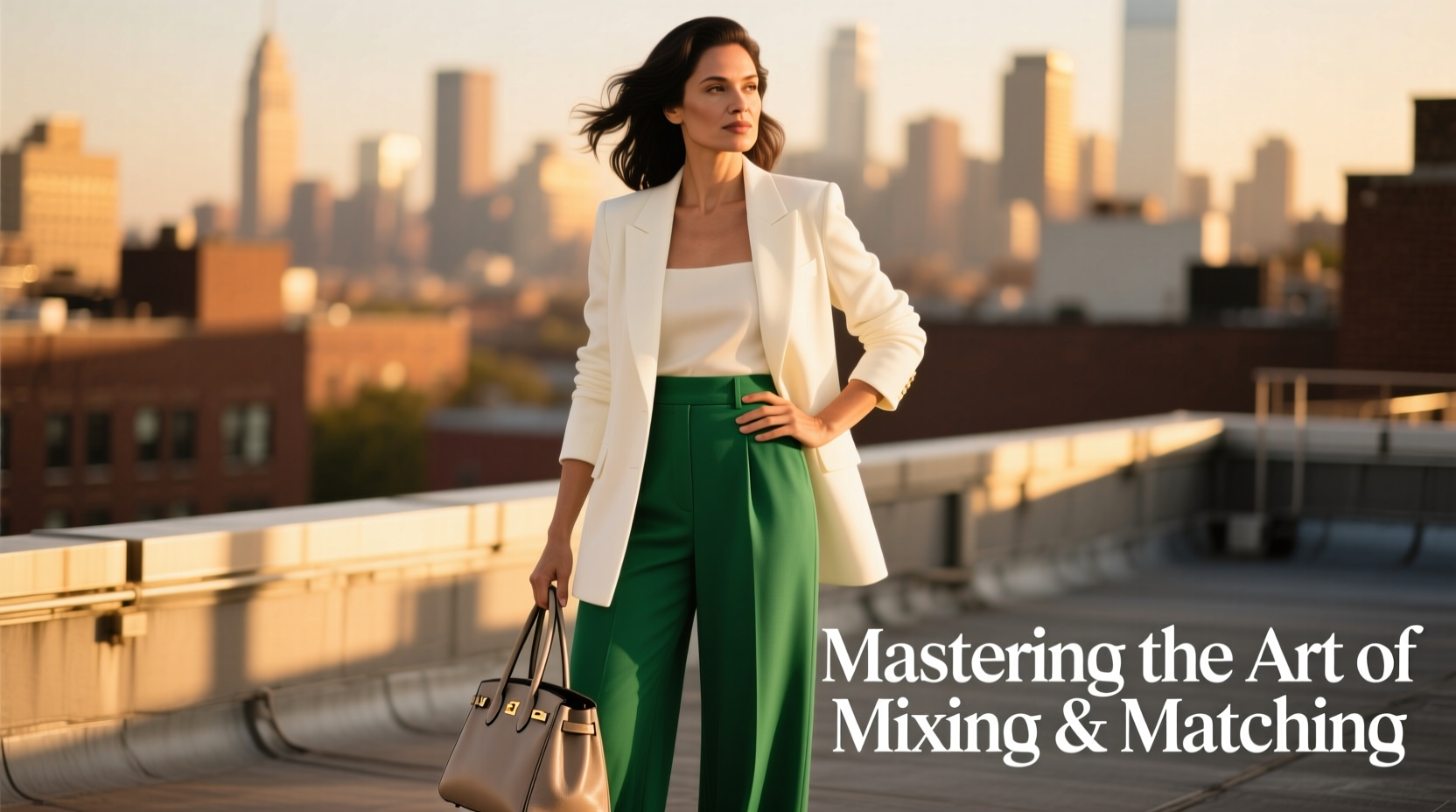
Two piece sets are often marketed as complete ensembles, but treating them as fixed pairs limits their utility. When you break down the components—tops, pants, skirts, jackets—you unlock opportunities to pair them with other garments already in your closet. A tailored blazer from a suit set can elevate a casual dress, while matching trousers can ground an oversized knit sweater. This approach supports a minimalist yet expressive wardrobe, where fewer pieces yield more outfits.
Fashion stylist Lena Torres notes:
“Separating coordinated sets is one of the most underused styling techniques. It allows wearers to transition seamlessly from work to weekend, formal to relaxed, without looking like they’re repeating themselves.” — Lena Torres, Fashion Stylist & Wardrobe Consultant
This flexibility is especially valuable in urban lifestyles where schedules shift rapidly and environments demand different levels of formality.
Step-by-Step Guide to Mixing and Matching with Confidence
Successfully styling two piece separates requires intentionality. Follow this five-step process to build cohesive, stylish looks every time.
- Assess Each Piece Individually: Remove the mental association of “this goes with that.” Examine the top and bottom separately—consider their color, fabric, cut, and formality level.
- Identify Their Styling Potential: Ask: Can this blazer work with jeans? Could these wide-leg pants balance a cropped top? Think beyond the original context.
- Test Proportions and Silhouettes: Pair loose pieces with fitted ones for contrast. For example, a boxy linen shirt from a summer set pairs beautifully with slim tapered trousers from another collection.
- Play with Color Coordination: Use neutral separates (beige, navy, black) as anchors. Then introduce bolder tones through accessories or complementary layers.
- Layer Strategically: Add depth with cardigans, vests, or trench coats. A matching vest from a three-piece suit can be worn over a turtleneck with non-matching trousers for a modern twist.
Do’s and Don’ts of Separating Sets
To avoid clashing styles or mismatched formality, refer to the table below for best practices.
| Scenario | Do | Don’t |
|---|---|---|
| Matching Suit Set | Wear blazer with dark jeans and a turtleneck for evening | Pair satin-lined trousers with athletic sneakers |
| Linen Co-ord Set | Style shorts with a plain tank and sandals for brunch | Combine cropped top with office-appropriate pencil skirt |
| Jacquard Skirt Set | Dress down the skirt with a white tee and ankle boots | Wear embellished top with sweatpants |
| Cashmere Knit Set | Wear cardigan over a slip dress for layered elegance | Match ribbed pants with heavy hiking boots |
Real-Life Example: From Boardroom to Dinner Date
Sophia, a marketing executive based in Chicago, owns a charcoal gray wool-blend two piece suit. On weekdays, she wears both pieces together with a crisp white blouse and loafers. But after work, she transforms the look: she swaps the blazer for a silk camisole, keeps the trousers, adds pointed-toe heels, and throws on a long pendant necklace. The result? An elevated dinner-ready ensemble that doesn’t require a full change.
Later that week, she reverses the formula: she wears the blazer over a black midi dress with knee-high boots, letting the structured shoulders add sophistication. By separating just one set, Sophia creates three distinct outfits—professional, chic casual, and evening glam—all from two core pieces.
Checklist: Building Your Mix-and-Match Strategy
Use this checklist to evaluate and maximize the potential of your two piece sets:
- ☐ Inventory all your co-ord sets and list each piece separately
- ☐ Note the primary color, fabric, and formality level of each item
- ☐ Identify at least three existing wardrobe items that could pair with each separate
- ☐ Create capsule groupings—e.g., “Workday Blazer Combos” or “Weekend Trousers Lineup”
- ☐ Try on at least two new combinations per week to test comfort and cohesion
- ☐ Photograph successful pairings for future reference
- ☐ Rotate accessories to refresh old combos without buying new clothes
Expert Insight: The Psychology of Perceived Effortlessness
What makes a look appear “effortlessly stylish”? According to Dr. Miriam Chen, a behavioral psychologist specializing in consumer identity, it’s not just about clothing—it’s about perceived intentionality.
“When people see someone wearing a blazer with unexpected pants but perfect coordination in color or texture, they subconsciously register that as confidence. It signals sartorial awareness, not randomness.” — Dr. Miriam Chen, PhD, Consumer Behavior Researcher
This means that even if you're pairing a floral skirt from a vacation set with a basic black sweater, doing so with consistent footwear, balanced proportions, and thoughtful accessories communicates control and taste.
Frequently Asked Questions
Can I mix separates from different seasons?
Absolutely. Lightweight spring blazers can layer over winter knits. Conversely, summer silk pants from a set can be paired with chunky boots and a turtleneck in colder months. Focus on fabric weight transitions and layering to maintain seasonal appropriateness.
Is it okay to wear only one piece if the other is damaged?
Yes, as long as the remaining piece is in excellent condition. If the jacket from your favorite set has a stain, retire it—but don’t let that stop you from styling the perfectly preserved trousers. Let functionality guide your decisions.
How do I avoid looking mismatched?
Stick to a cohesive color palette or theme. Even if textures differ (e.g., velvet top with cotton pants), maintaining tonal harmony—such as all neutrals or analogous colors—creates visual unity. Also, ensure shoes and bags bridge the gap between disparate elements.
Conclusion: Elevate Your Style Through Intentional Separation
Mixing and matching two piece set separates isn’t just a practical hack—it’s a mindset shift toward smarter, more expressive dressing. By seeing each garment as a standalone asset rather than part of a fixed duo, you gain creative freedom and extend the life of your wardrobe. Whether you're reimagining a work suit for weekend outings or turning a vacation co-ord into a city staple, the key lies in experimentation, proportion control, and attention to detail.




 浙公网安备
33010002000092号
浙公网安备
33010002000092号 浙B2-20120091-4
Comments
No comments yet. Why don't you start the discussion?