
For millions of professionals, students, and urban travelers, the daily commute is more than just a transition between home and work—it’s an opportunity to set the tone for the day. How you carry your essentials can significantly impact your comfort, productivity, and peace of mind. A well-packed backpack isn’t just about fitting everything in; it’s about organizing intelligently, protecting valuable items, and adapting to the unexpected. Whether you're navigating subway platforms, biking to the office, or walking across campus, mastering the art of packing ensures you arrive prepared, unburdened, and ready to perform.
Choose the Right Backpack: Foundation of Smart Packing
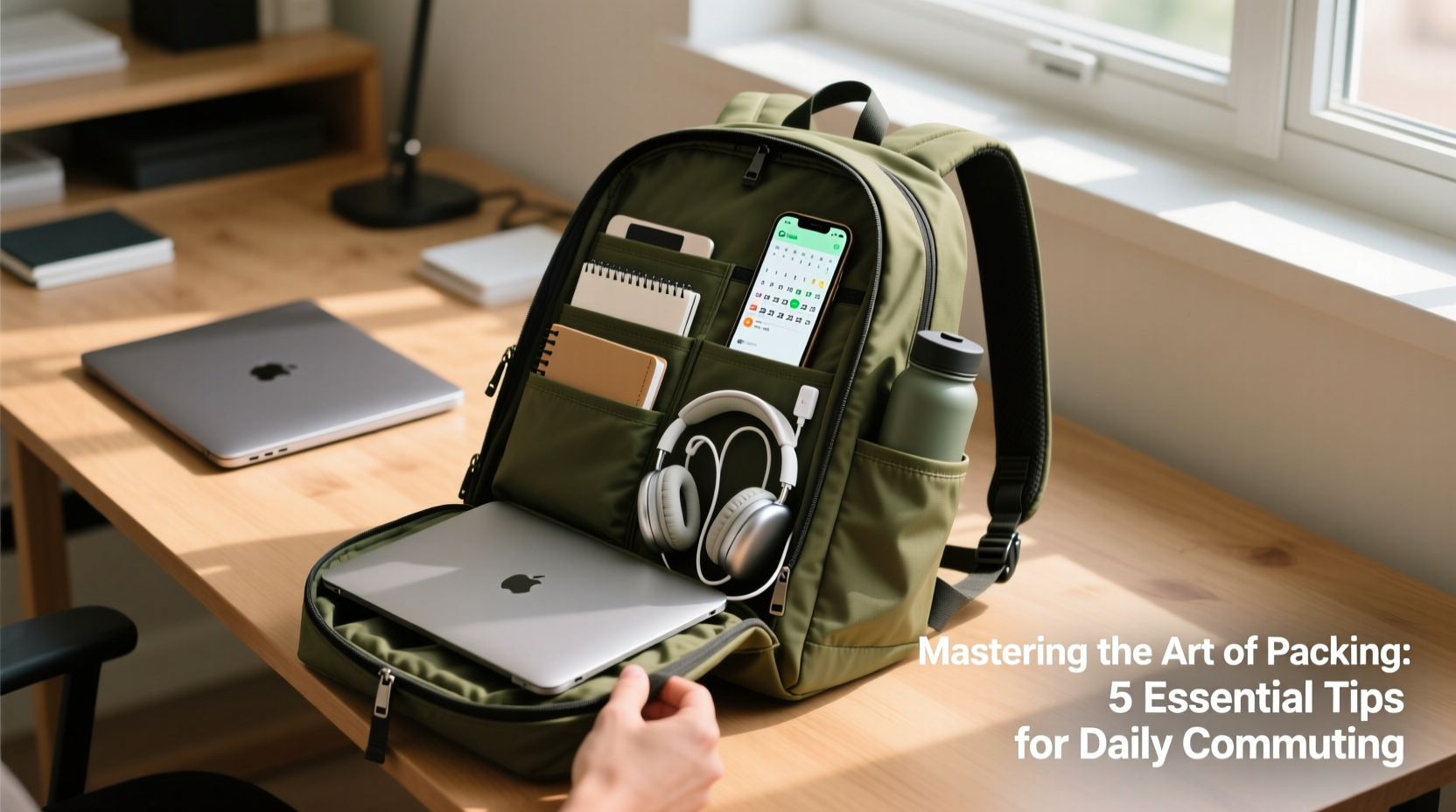
The first step toward effective packing is selecting a backpack designed for versatility and function. Not all bags are created equal—look for features that support daily use: padded laptop compartments, multiple access points, breathable back panels, and water-resistant materials. A capacity between 18–25 liters typically offers enough space without becoming cumbersome.
A good commuting backpack should also distribute weight evenly. Look for models with chest or sternum straps and adjustable shoulder straps to prevent strain during long walks or rides. Consider organization layers: dedicated pockets for chargers, pens, keys, and even a small umbrella can make retrieval seamless.
The Daily Essentials Framework
Every commuter faces the same challenge: deciding what to bring without overloading. The solution lies in establishing a core set of daily essentials, then layering in situational items as needed. Think of your backpack as having three zones: primary (always present), secondary (regular but not daily), and tertiary (occasional).
Primary Zone: Non-Negotiables
- Laptop or tablet (in a padded sleeve)
- Phone and charger/power bank
- Wallet, ID, transit card
- Reusable water bottle (side pocket)
- Lightweight jacket or foldable rain shell
Secondary Zone: Routine Additions
- Notebook or planner
- Pens, highlighters
- Earbuds or headphones
- Snack (granola bar, nuts)
Tertiary Zone: Conditional Items
- Gym clothes or shoes
- Books or printed materials
- Medication or personal care items
“Efficiency starts with consistency. When your core load is predictable, you reduce decision fatigue and save time.” — Jordan Lee, Urban Mobility Consultant
Step-by-Step: How to Pack Your Backpack Efficiently
Follow this logical sequence each morning to ensure nothing is forgotten and everything is placed optimally:
- Clear and inspect: Empty your backpack completely. Wipe down compartments if needed and check for crumbs, loose cables, or moisture.
- Load heaviest items first: Place your laptop, books, or water bottle near the center-back panel. This keeps the weight close to your spine and improves posture.
- Add mid-weight essentials: Slide notebooks, power banks, and wallets into designated pockets. Use inner organizers to separate electronics from paper.
- Secure loose cables: Wrap cords with Velcro ties or store them in a small pouch. Avoid letting them dangle or tangle with zippers.
- Insert outer-layer items: Tuck your jacket or umbrella into side or front compartments for quick access.
- Final check: Run through a mental checklist: phone, keys, wallet, charger, mask, reusable bottle.
Do’s and Don’ts of Commuting Backpack Management
| Do | Don’t |
|---|---|
| Use a laundry bag or pouch for dirty shoes or gym clothes | Store food without sealing—especially anything sugary or greasy |
| Keep a mini first-aid kit or stain wipe in a side pocket | Overstuff the bag to the point where zippers strain |
| Rotate seasonal items (e.g., swap gloves for sunscreen) | Leave wet items inside overnight—mold and odor follow |
| Label cords or use colored tags for easy identification | Carry unnecessary duplicates (e.g., two chargers, three pens) |
| Wipe down high-touch areas weekly (zippers, handles) | Ignore manufacturer care instructions for cleaning |
Real-World Example: Sarah’s Seamless Transition
Sarah, a project manager in downtown Chicago, used to arrive at work flustered—constantly searching for her transit pass, dealing with a tangled headphone cord, or realizing she’d left her presentation notes behind. After adopting a structured packing system, her mornings transformed. She now uses color-coded pouches: blue for tech, green for personal items, red for urgent documents. Her backpack has a “priority pocket” near the top zipper for daily must-haves like her badge and earbuds. On days she hits the gym after work, she packs her sneakers in a ventilated shoe sack and places them at the base. Within a week, Sarah cut her morning prep time by half and reported feeling more in control throughout the day.
Checklist: Your Daily Backpack Readiness Routine
Print or bookmark this checklist to streamline your routine:
- ✅ Laptop charged and in protective sleeve
- ✅ Phone fully charged with portable battery
- ✅ Wallet, ID, and transit card accessible
- ✅ Reusable water bottle filled
- ✅ Earbuds or headphones packed and untangled
- ✅ Weather-appropriate outerwear included
- ✅ Any required documents or notebooks added
- ✅ Snack or lunch secured (if needed)
- ✅ Bag weight balanced and zippers closed
- ✅ Quick visual scan for forgotten items
Frequently Asked Questions
How heavy should my commuting backpack be?
Your loaded backpack should not exceed 10–15% of your body weight. For most adults, that means staying under 15 pounds (7 kg). Exceeding this limit regularly can lead to shoulder, neck, and back strain over time.
What’s the best way to clean a backpack?
Most synthetic backpacks can be spot-cleaned with mild soap and a damp cloth. Remove all contents first. For deeper cleaning, hand-wash in lukewarm water and air-dry upside down—never machine wash unless specified by the manufacturer. Leather or specialty fabrics may require professional care.
How do I prevent my laptop from getting damaged during transit?
Always use a dedicated, padded laptop compartment. Ensure the fit is snug but not tight. Avoid placing heavy items on top of the laptop section. For extra protection, consider a shock-absorbing laptop sleeve even if the bag has built-in padding.
Conclusion: Elevate Your Everyday Carry
Packing a commuting backpack well is not a one-time task—it’s a daily ritual of intentionality. When your bag reflects clarity and purpose, so does your mindset. By choosing the right gear, organizing strategically, and maintaining consistency, you turn a mundane routine into a practice of efficiency and self-respect. The goal isn’t just to carry less, but to carry better. A thoughtfully packed backpack doesn’t just lighten your load physically—it clears mental space, reduces stress, and empowers you to move through your day with confidence.




 浙公网安备
33010002000092号
浙公网安备
33010002000092号 浙B2-20120091-4
Comments
No comments yet. Why don't you start the discussion?