
Long dresses possess an effortless elegance that few garments can match. Whether it’s a flowing maxi for summer or a structured floor-length gown for evening wear, mastering how to style them elevates your wardrobe instantly. Yet, many struggle with proportions, fabric choices, or accessories that overwhelm the look. The key lies not just in choosing the right dress—but in understanding how to wear it with intention. From silhouette selection to footwear pairing, every detail contributes to a polished ensemble.
Understand Your Body Shape and Choose the Right Silhouette
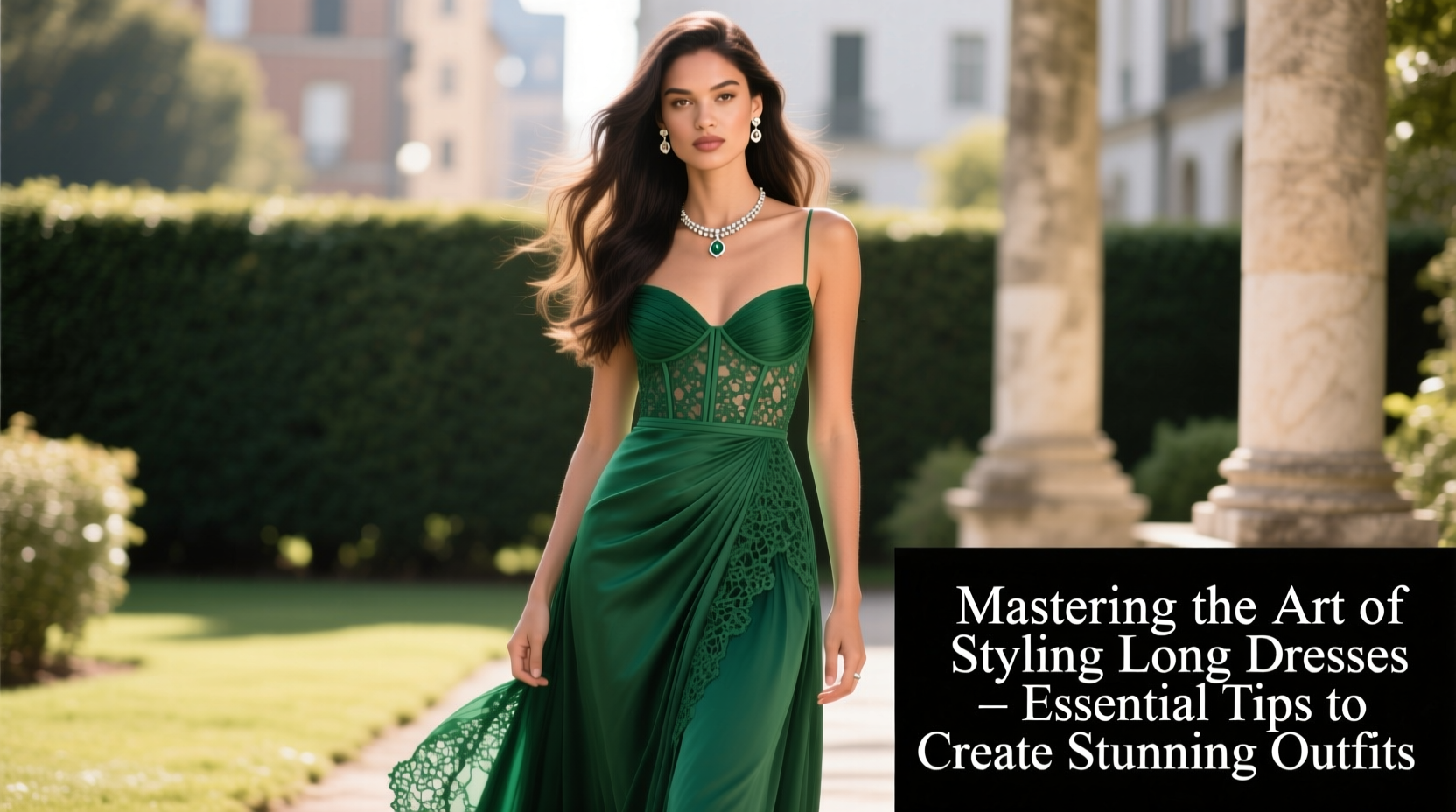
One of the most impactful decisions when styling a long dress is selecting a cut that complements your body type. A well-chosen silhouette enhances natural curves and balances proportions, turning even a simple design into a standout outfit.
| Body Type | Recommended Silhouette | Avoid |
|---|---|---|
| Hourglass | Fitted waist with flared skirt | Baggy or boxy cuts |
| Pear-shaped | A-line or empire waist | Tight hemlines at hips |
| Apple-shaped | V-neck empire line or wrap styles | Belted midsections |
| Rectangle | Draped details or belted waists | Shapeless sheaths |
| Inverted Triangle | Fit-and-flare or wide skirts | Tight lower halves |
The goal isn’t to hide your shape but to highlight its strengths. For example, those with broader shoulders benefit from voluminous skirts that draw attention downward, while petite frames gain height from vertical lines like plunging necklines or high slits.
Accessorize with Intention
Accessories make or break a long-dress look. Too little, and the outfit feels incomplete; too much, and it becomes overwhelming. The trick is balance—choose one focal point and build around it.
- Jewelry: Delicate chains work well with busy prints, while bold statement pieces shine on minimalist solids.
- Bags: Clutches or small crossbody bags maintain elegance without interrupting the dress’s flow.
- Belts: A thin metallic or fabric belt at the natural waist defines shape, especially on looser silhouettes.
- Scarves: Lightweight wraps add texture in cooler weather without hiding the dress’s design.
“Long dresses are a canvas. Accessories are the brushstrokes that complete the portrait.” — Lila Chen, Fashion Stylist & Editorial Consultant
Mini Case Study: Evening Event Transformation
Sophie attended a garden wedding wearing a plain ivory maxi dress. Initially, she felt underdressed compared to others in elaborate gowns. After consulting a stylist, she added a slim gold chain belt, layered delicate bracelets, and switched her flats for nude block heels. She finished with a rose-gold clutch and soft waves in her hair. The transformation wasn’t in the dress—it was in the styling. Multiple guests complimented her “effortless grace,” proving that thoughtful details elevate simplicity into sophistication.
Footwear That Works With, Not Against, the Dress
Shoes anchor your entire look. With long dresses, they’re often partially hidden, but their impact is undeniable. The wrong choice can shorten legs or disrupt visual continuity.
- Nude Heels: Create a seamless leg extension, ideal for formal events.
- Flat Sandals: Perfect for beach weddings or casual outings—opt for strappy designs to keep the look airy.
- Ankle Boots: Pair with denim or jersey maxis in fall; tuck or slightly crop the hem for definition.
- Wedges: Offer comfort and height, excellent for outdoor events on grass or sand.
Do’s and Don’ts of Long-Dress Footwear
| Action | Verdict |
|---|---|
| Pairing floor-sweeping gowns with stilettos | ✅ Do – adds drama and prevents tripping |
| Wearing bulky sneakers with a chiffon gown | ❌ Don’t – clashes in formality and texture |
| Choosing open-toe sandals with a slit dress | ✅ Do – draws eye down and enhances movement |
| Using dark shoes with light dresses on sunny days | ❌ Don’t – creates a visual “stop” that shortens legs |
Layering Techniques for Versatility
Long dresses aren’t just for warm weather. With smart layering, they transition seamlessly across seasons and settings.
For cooler months, consider a tailored blazer, cropped leather jacket, or cashmere cardigan. The key is proportion: shorter outerwear maintains the dress’s visibility while adding warmth. In professional settings, a structured coat over a solid-colored midi-maxi projects authority without sacrificing femininity.
Another effective method is under-layering. A fitted turtleneck beneath a slip dress adds depth and transforms a summer piece into a winter staple. This works particularly well with sheer or lace overlays.
Step-by-Step Guide: Transition a Summer Maxi to Fall
- Start with a lightweight printed maxi in cotton or rayon.
- Add opaque tights in black, navy, or a matching print tone.
- Slip on ankle boots with moderate heel support. <4>Select a medium-weight duster coat or trench in neutral color.
- Top with a wide-brimmed hat and structured bag for cohesion.
This approach preserves the dress’s original charm while adapting it to new conditions—a sustainable and stylish solution.
Essential Checklist for Styling Long Dresses
- ✓ Determine your body shape and select a complementary cut
- ✓ Ensure proper hem length—slightly above the floor when standing flat
- ✓ Choose footwear that enhances leg length and suits the occasion
- ✓ Add one statement accessory (belt, necklace, or earrings)
- ✓ Consider layering options for climate or setting adjustments
- ✓ Test movement—sit, walk, and climb stairs to check comfort and modesty
- ✓ Match accessories in metal tones (e.g., all gold or all silver)
Frequently Asked Questions
Can petite women wear floor-length dresses?
Absolutely. Petite individuals should opt for high-waisted or empire-line designs and pair them with heels to maintain balance. Vertical patterns or monochrome looks also create the illusion of height.
How do I prevent my long dress from dragging?
Have the dress professionally altered to your height. If temporary, use discreet double-sided tape inside the hem or wear higher heels. Avoid walking on wet or rough surfaces to protect the fabric.
Are long dresses appropriate for office wear?
Yes, if styled appropriately. Choose structured fabrics like crepe or ponte knit, pair with closed-toe pumps, and layer with a blazer. Avoid overly sheer or slinky materials in conservative workplaces.
Final Thoughts: Confidence Is the Ultimate Accessory
Styling a long dress goes beyond following rules—it’s about expressing yourself with confidence. When you feel balanced, comfortable, and aligned with your personal aesthetic, the outfit resonates more deeply than any trend ever could. These tips provide a foundation, but true mastery comes from experimentation and self-awareness.




 浙公网安备
33010002000092号
浙公网安备
33010002000092号 浙B2-20120091-4
Comments
No comments yet. Why don't you start the discussion?