
A shoulder handbag is more than just a functional accessory—it’s a statement. When styled with intention, it can elevate an outfit from ordinary to polished, express personality, and even influence confidence. Whether you're attending a board meeting, enjoying brunch with friends, or stepping into a gala, the right handbag—worn the right way—can anchor your look. Yet many women overlook the subtle nuances of proportion, color harmony, and context that define truly masterful styling. This guide explores how to seamlessly integrate your shoulder bag into any ensemble, ensuring it complements rather than competes.
The Role of Proportion and Silhouette
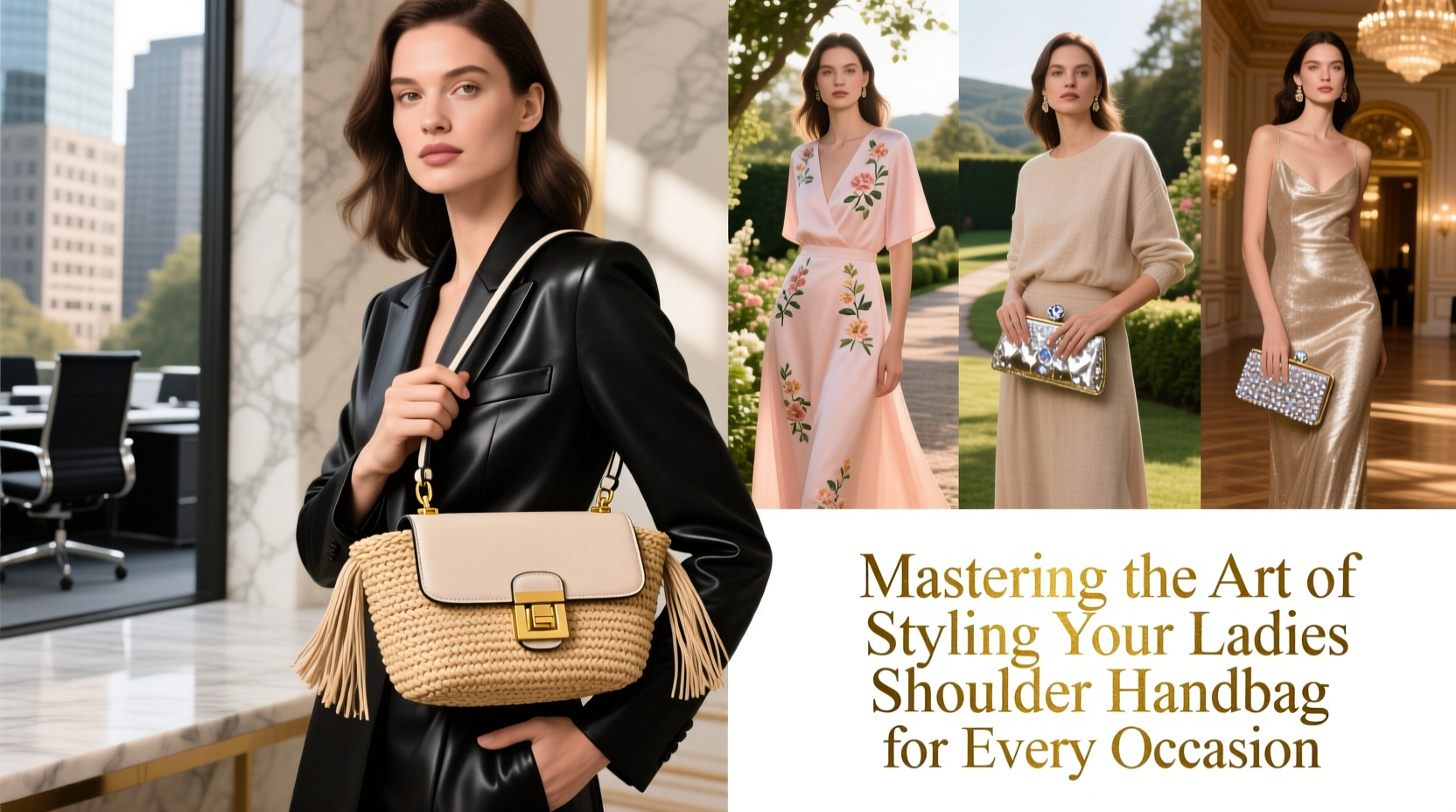
The size and shape of your shoulder bag should harmonize with your body frame and outfit structure. A petite woman might be overwhelmed by an oversized tote, while a tall individual could appear unbalanced with a tiny crossbody clutch. Consider the following guidelines:
- Hourglass figures: Medium-sized structured bags enhance natural curves without breaking visual flow.
- Taller frames: Larger satchels or soft hobo bags balance height and add softness.
- Shorter statures: Opt for smaller shoulder bags worn higher on the shoulder to avoid shortening the torso.
- Minimalist outfits: Use proportion as drama—a bold, architectural bag can become the focal point.
Color Coordination and Contrast Techniques
Choosing the right color isn’t just about matching your shoes. Strategic use of color can create cohesion, draw attention, or subtly shift focus. Here are three effective approaches:
- Monochromatic Pairing: Match your bag to your outfit within the same color family but different shades (e.g., navy dress with cobalt bag). This elongates the silhouette and appears sophisticated.
- Neutral Anchoring: Use black, tan, beige, or gray bags to ground bold prints or vibrant clothing. These act as visual “rest points” for the eye.
- Contrast Pops: Introduce a complementary color—like a burgundy bag with olive green attire—to add energy without clashing.
| Occasion | Recommended Bag Color | Why It Works |
|---|---|---|
| Business Meeting | Navy, Black, Taupe | Projects professionalism and blends with tailored wear |
| Casual Weekend | White, Denim, Earth Tones | Feels relaxed and pairs easily with jeans and tees |
| Evening Event | Metallics, Deep Jewel Tones | Adds glamour and reflects light elegantly |
| Summer Outings | Straw, Coral, Lemon Yellow | Complements seasonal brightness and lightweight fabrics |
Styling by Occasion: A Practical Guide
Context dictates not only what bag you carry but how you wear it. The strap length, closure style, and hardware all contribute to appropriateness.
1. Professional Environments
In corporate settings, opt for structured shoulder bags with clean lines—think satchels or top-handle styles with a detachable shoulder strap. Neutral tones maintain seriousness, while subtle textures (like pebbled leather) add depth without distraction. Carry it on the opposite shoulder of your dominant hand for ease when pulling out documents.
2. Social Gatherings
For brunch or shopping, soften the formality. A slouchy hobo or suede shoulder bag in warm browns or pastels conveys approachability. Wear it across the body for security and a relaxed vibe. Add a silk scarf tied to the handle for a personal touch.
3. Evening Affairs
Choose compact but striking designs: quilted leather, embellished chains, or satin finishes. Metallic gold or gunmetal bags reflect candlelight beautifully. Let the bag hang slightly lower—not tucked tightly—to allow movement and elegance.
“Your handbag should whisper sophistication, not shout for attention. In high-stakes environments, restraint speaks louder.” — Clara Montague, Stylist & Former Fashion Editor, *Vogue Living*
Real-Life Example: From Office to Dinner
Sophia, a marketing director in Toronto, uses one versatile bag to transition between her workday and evening plans. She starts with a taupe structured shoulder bag—professional enough for client meetings. After work, she swaps the leather strap for a slim gold chain, removes bulky items, and adds a red silk interior pouch visible when opening the flap. The transformation takes two minutes but shifts the bag’s tone from corporate to chic. Paired with a wrap dress and heels, the same bag now fits a wine bar setting.
This case illustrates adaptability: the foundation is a timeless design, but small changes in presentation align it with new contexts.
Maintenance Matters: Preserving Style Long-Term
No matter how well you style a bag, its appearance degrades without care. Leather dries, fabric stains, and hardware tarnishes—all undermining your effort.
- Clean leather monthly with pH-balanced wipes; condition every 3 months.
- Store bags upright with tissue inside to retain shape.
- Rotate usage—avoid wearing the same bag two days in a row.
- Keep fabric-lined bags away from rain; treat with water-repellent spray if frequently exposed.
“Consistent care and proper storage can double a bag’s lifespan.” — Emma Clarke, Fashion Care Expert
Checklist: Perfecting Your Shoulder Bag Styling Routine
Before leaving the house, run through this checklist to ensure your bag enhances your look:
- ✅ Is the bag proportional to my body and outfit?
- ✅ Does the color complement or intentionally contrast my clothing?
- ✅ Are the straps adjusted to sit naturally on my shoulder?
- ✅ Is the bag clean and free of clutter (no dangling receipts or pens)?
- ✅ Have I removed unnecessary keychains or charms that distract?
- ✅ Is the interior organized so I can access essentials gracefully?
- ✅ Does the bag suit the occasion in both form and function?
Frequently Asked Questions
Can I wear a casual bag with a formal dress?
Yes, but only if done intentionally. A minimalist canvas tote with a silk evening dress creates an avant-garde contrast. However, ensure the bag is pristine and styled with confidence—otherwise, it may appear like a mismatch rather than a fashion statement.
How do I stop my shoulder bag from slipping off?
Adjust the strap so the bag sits snugly between your shoulder and upper arm. Wider straps distribute weight better. For slippery fabrics, consider adding a silicone grip pad discreetly to the strap interior.
Should my bag match my shoes or belt?
Matching exactly is outdated. Instead, aim for tonal harmony. Your bag and shoes don’t need to be identical, but they should belong to the same color family or material category (e.g., both matte leather or both textured).
Elevate Every Look with Intention
Styling a shoulder handbag well is not about rigid rules—it’s about awareness. It’s understanding how a curve of leather, a shade of crimson, or the fall of a strap contributes to the narrative your outfit tells. With thoughtful selection, mindful coordination, and consistent care, your handbag becomes more than an accessory; it becomes an extension of your presence. The next time you reach for your favorite piece, pause and ask: does this support the story I want to tell today? Then adjust, refine, and step forward with purpose.




 浙公网安备
33010002000092号
浙公网安备
33010002000092号 浙B2-20120091-4
Comments
No comments yet. Why don't you start the discussion?