
In many cultures, hand-woven ropes are more than functional—they carry symbolic meaning, scent, and personal intention. The fragrant style hand rope, often used as a bracelet, amulet, or ceremonial accessory, blends natural fibers with aromatic herbs to create a wearable piece rich in texture and tradition. Though small in size, crafting one requires precision, patience, and an understanding of material synergy. This guide walks you through every stage of creating your own fragrant hand rope, from selecting ingredients to finishing with a secure knot.
Gathering the Right Materials
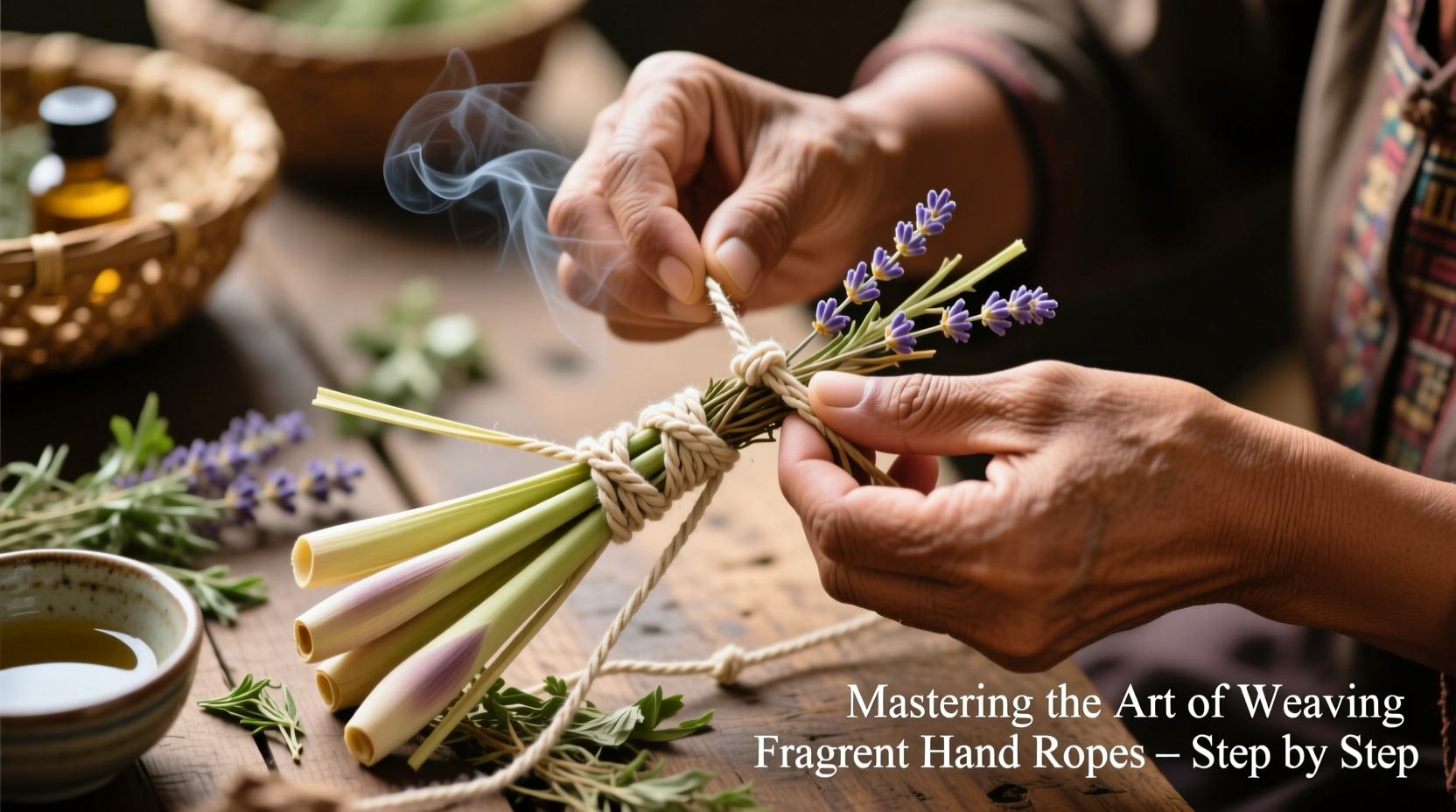
The foundation of a successful fragrant hand rope lies in thoughtful material selection. Unlike standard cordage, this version emphasizes sensory experience—touch, smell, and visual appeal—all while maintaining structural integrity.
Natural fibers like cotton, hemp, or jute provide excellent base strands due to their strength and ability to absorb essential oils. For fragrance, consider dried lavender, rosemary, mugwort, or sandalwood shavings. These not only emit calming aromas but also have historical ties to protection, clarity, and grounding.
Optional additions include small wooden beads, tiny bells, or consecrated charms for symbolic value. All components should be lightweight to avoid strain on the weave.
Preparing Your Workstation and Tools
A clean, well-lit workspace is essential. You’ll need minimal tools: scissors, a measuring tape, clips or pins to secure ends, and a flat surface. If working with fine threads, tweezers can help manage tight knots.
Cut three equal-length strands—typically 36 inches long—to allow room for braiding and tying. Longer lengths give flexibility during adjustments. Align the strands and bind one end tightly with thread or a clip to anchor them together.
Before weaving, infuse the fibers with scent. Place the strands in a sealed container with a few drops of essential oil compatible with your chosen herbs (e.g., lavender oil with dried lavender). Let sit for 12–24 hours. Avoid oversaturation, which can weaken fibers.
Step-by-Step Weaving Process
- Anchoring the Strands: Secure the bound end to a stable surface—a clipboard, chair leg, or tape on a table edge. Ensure tension is firm but not excessive.
- Braiding Technique: Use a classic three-strand braid. Cross the right strand over the center, then the left over the new center. Repeat evenly, keeping consistent tension. For tighter density, braid slowly and press each crossover down gently.
- Incorporating Herbs: Every inch, tuck a small pinch of dried herb between the strands just before crossing. Do not overfill—too much bulk disrupts the braid’s flow. Rotate herb types for layered scent profiles.
- Maintaining Uniformity: Check periodically for loose sections or uneven thickness. Pause to adjust tension if needed.
- Finishing the Braid: Once you reach the desired length (usually 6–7 inches for a wrist-sized loop), stop incorporating herbs and complete the final few inches cleanly.
- Securing the End: Tie a tight overhand knot at the open end. Trim excess, leaving about half an inch to prevent unraveling.
Design Variations and Symbolic Intentions
The fragrant hand rope transcends decoration—it can serve as a tactile reminder of intention. Color choices, herb combinations, and knot styles contribute to its symbolic weight.
| Fragrance Blend | Symbolic Meaning | Suitable For |
|---|---|---|
| Lavender + Chamomile | Calm, sleep, emotional balance | Nighttime wear, meditation |
| Rosemary + Sage | Clarity, purification, focus | Study, ritual work |
| Sandalwood + Mugwort | Dream enhancement, spiritual awareness | Intuition practices |
| Citrus peel + Mint | Energy, refreshment, alertness | Daily motivation |
Some weavers incorporate color-coded threads: blue for peace, green for growth, red for vitality. The number of knots may also hold significance—three for mind-body-spirit, seven for spiritual completeness.
“Every fiber holds memory. When you weave with intention, you’re not just making a rope—you’re crafting a vessel for presence.” — Lila Torres, Textile Artist & Herbalist
Real Example: A Weaver’s Journey
Maria, a mindfulness coach in Portland, began making fragrant hand ropes after a retreat in Bali where she observed local women weaving prayer cords infused with frangipani. Inspired, she adapted the practice using Pacific Northwest herbs. She started with simple lavender-hemp bracelets for clients, each tied with a knot representing a personal affirmation.
Within months, her students reported heightened focus and emotional regulation when wearing the ropes during breathwork. Maria now hosts seasonal workshops, teaching others how to align scent, touch, and movement in handmade wellness tools. Her success stems not from technical perfection, but from consistency and authenticity in process.
Care and Longevity Tips
To preserve both structure and scent, handle your finished rope with care. Store it in a breathable cloth pouch away from moisture and direct sunlight. Reinvigorate the fragrance monthly by placing the rope in a sealed jar with a fresh herb sachet for 4–6 hours.
- Do not wash with water—damp cloths can spot-clean if necessary.
- Rotate usage to prevent fiber fatigue.
- Retire the rope respectfully when frayed—burn it safely or bury it as a closure ritual.
FAQ
Can I make a waterproof fragrant hand rope?
Traditional versions are not waterproof, as moisture degrades natural fibers and herbs. However, you can use waxed cotton cord for partial water resistance, though this may reduce scent diffusion.
How long does the fragrance last?
With proper storage, the scent remains noticeable for 4–8 weeks. Re-scenting with a single drop of essential oil on the inner knot can extend life without rewoven herbs.
Is this suitable for children or sensitive skin?
Yes, if hypoallergenic materials are used. Avoid strong essential oils like cinnamon or clove. Test a small section against the skin first. Opt for chamomile or oat-infused cotton for delicate users.
Checklist: Crafting Your First Fragrant Hand Rope
- ☐ Choose natural, untreated fibers (cotton, hemp)
- ☐ Select dried herbs and essential oils (non-toxic, skin-safe)
- ☐ Cut three strands to 36 inches; bind one end securely
- ☐ Infuse strands with scent (12–24 hours in sealed container)
- ☐ Anchor strands and begin three-strand braid
- ☐ Insert small herb pinches every inch
- ☐ Finish with tight knot; seal if desired
- ☐ Store in breathable pouch; re-scent monthly
Conclusion
Weaving a small fragrant style hand rope is an act of mindful creation—a blend of craftsmanship, botanical knowledge, and personal expression. Each braid becomes a quiet companion, carrying scent, story, and subtle strength. Whether made for yourself or gifted with intention, the process fosters presence and connection to ancient tactile traditions.




 浙公网安备
33010002000092号
浙公网安备
33010002000092号 浙B2-20120091-4
Comments
No comments yet. Why don't you start the discussion?