
A handbag is more than a container for keys, wallet, and phone—it’s an extension of identity. The right bag doesn’t just carry your essentials; it carries your attitude, your daily rhythm, and your visual language. Yet many people own multiple bags without feeling truly connected to any of them. The disconnect often lies not in design or brand, but in alignment. When your bag reflects who you are—not just who you want to appear to be—it becomes effortless to wear, easy to maintain, and deeply satisfying to use.
This article explores how to intentionally curate a bag collection that resonates with your personal aesthetic, lifestyle, and emotional preferences. From identifying core style archetypes to understanding material psychology, we’ll break down the subtle but powerful decisions that turn a purchase into a personal signature.
Understanding Your Style Archetype
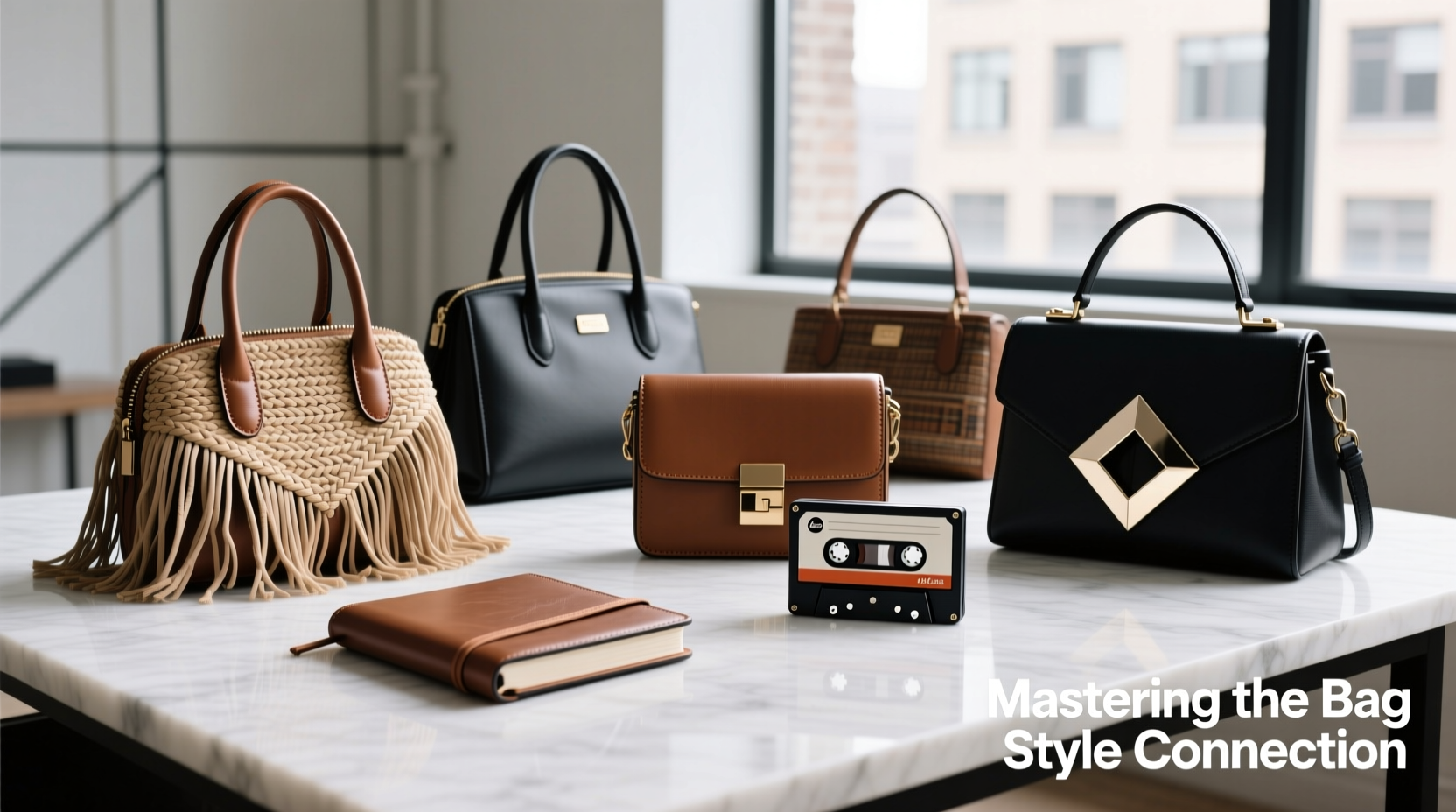
Before selecting a bag, clarify your foundational style identity. Are you minimalist, classic, bohemian, edgy, or eclectic? Each archetype responds to different silhouettes, hardware, colors, and textures. Misalignment between your dominant style and your bag choice creates subconscious friction—no matter how “trendy” the piece may be.
- Minimalist: Clean lines, neutral tones, structured shapes, little to no branding.
- Classic: Timeless designs (e.g., satchels, top-handle), leather finishes, conservative proportions.
- Bohemian: Soft slouchy forms, woven details, earthy dyes, artisanal embellishments.
- Edgy: Asymmetry, bold hardware, dark hues, unconventional materials like patent or vegan leather.
- Eclectic: Mix of vintage and modern, color layering, statement pieces with personality.
The Lifestyle Fit Test
No bag functions well if it fights your routine. A sleek clutch won’t suit a parent juggling snacks and strollers. A bulky tote may feel excessive for someone who only carries a phone and lip balm. Evaluate your daily demands before considering aesthetics.
“Functionality breeds consistency. If a bag doesn’t fit your life, it won’t stay in rotation—no matter how beautiful.” — Lena Torres, Wardrobe Stylist & Consultant
Ask yourself:
- What do I carry daily? (List items: tablet, water bottle, umbrella, etc.)
- How much walking or transit is involved?
- Do I need hands-free options (crossbody, backpack)?
- What weather conditions affect my commute?
A mismatch here leads to underuse and buyer’s remorse. Prioritize utility as the foundation—then refine with style.
Material and Color Psychology
The texture and hue of a bag influence both mood and maintenance. Leather ages gracefully but requires care. Nylon is durable but may feel utilitarian. Canvas breathes well but stains easily. Choose materials that match not only your environment but also your emotional response to upkeep.
| Material | Vibe | Lifespan | Care Level |
|---|---|---|---|
| Full-grain leather | Refined, timeless | 5–10+ years | Moderate |
| Suede | Luxurious, tactile | 2–4 years (climate-sensitive) | High |
| Recycled nylon | Modern, eco-conscious | 3–6 years | Low |
| Woven raffia | Relaxed, seasonal | 1–2 seasons | Very low |
Color plays a similar role. Neutrals (black, tan, gray) offer versatility. Brights (red, cobalt, emerald) express confidence but date faster. Earth tones (olive, rust, terracotta) bridge trend and timelessness. Consider not just what you *like*, but what you’re willing to live with long-term.
Step-by-Step: Building a Cohesive Bag Collection
Curating bags isn’t about accumulating—it’s about editing. Follow this timeline to build a collection that feels intentional and aligned.
- Week 1: Audit your current bags. Lay them out. Note which you use weekly, monthly, or never. Identify patterns in shape, size, and abandonment reasons.
- Week 2: Define your non-negotiables. List must-haves: e.g., “fits laptop,” “water-resistant,” “fits under airplane seat.”
- Week 3: Map your roles. Assign categories: Work, Weekend, Evening, Travel. One bag per role is ideal.
- Week 4: Set a style filter. Choose a unifying element—color palette, hardware finish (gold vs silver), or brand ethos (sustainable, heritage).
- Ongoing: Practice delayed purchase. Wait 72 hours before buying. Ask: “Does this solve a gap?” and “Does it reflect me today?”
Real-Life Example: Aligning Aesthetic After a Career Shift
Sophie, a graphic designer, transitioned from freelance work to a corporate role. She owned several colorful, artsy crossbodies perfect for coffee shops and client meetups—but they looked out of place in boardrooms. Instead of forcing them, she assessed her new context. She kept one vibrant bag for weekends and invested in a structured taupe satchel with minimal branding. The change wasn’t about conforming, but recalibrating. Her new bag felt professional without sacrificing her creative core. Within weeks, she stopped questioning what to carry and simply reached for the one that belonged.
This shift illustrates a key principle: personal aesthetic evolves. Your bag choices should evolve with you—not lag behind or race ahead.
Checklist: Is This Bag Right for Me?
Before purchasing, run through this checklist:
- ✅ Does it fit my essential daily items without overstuffing?
- ✅ Is the weight comfortable when full?
- ✅ Does the strap or handle style suit my movement pattern?
- ✅ Is the material appropriate for my climate and activities?
- ✅ Does the color complement at least three outfits I already own?
- ✅ Does the design reflect my current self, not a past or future version?
- ✅ Am I buying it because I need it—or because it’s on sale or trending?
If two or more answers are “no,” reconsider. Impulse buys rarely deepen style coherence.
Frequently Asked Questions
Can I mix high-end and affordable bags in one collection?
Absolutely. What matters is intentionality, not price point. A $200 tote can hold equal value to a $2,000 designer piece if it serves a unique role and resonates with your aesthetic. Focus on cohesion, not cost equivalence.
How do I know when to retire a bag?
Retire a bag when it no longer fits your lifestyle, shows irreversible wear, or consistently fails to spark joy. Sentimental value is valid—but don’t keep a bag out of guilt. Donate or repurpose it respectfully.
Should all my bags match in color or style?
Not necessarily. Aim for harmony, not uniformity. For example, a black leather tote and a camel crossbody can coexist if they share a similar finish (matte) and design language (clean lines). Think of your collection like a capsule wardrobe—complementary, not identical.
“A well-chosen bag disappears into your day. You don’t think about it—you just move through the world with confidence.” — Marcus Reed, Fashion Psychologist
Final Thoughts: Wear It Like It’s Yours
Mastering the bag style connection isn’t about chasing perfection. It’s about cultivating awareness. The most stylish person in the room isn’t the one with the rarest logo or the shiniest hardware—it’s the one whose bag looks like a natural part of them. It moves with their stride, fits their hands, and reflects their priorities.
Start small. Re-evaluate one bag. Ask why you reach for it—or why you don’t. Use the tools here to align function, form, and feeling. Over time, your collection will become less cluttered, more meaningful, and effortlessly expressive.




 浙公网安备
33010002000092号
浙公网安备
33010002000092号 浙B2-20120091-4
Comments
No comments yet. Why don't you start the discussion?