
Fire is one of humanity’s oldest tools—essential for warmth, cooking, signaling, and survival. Yet, despite its ubiquity in outdoor activities, many people lack the knowledge to build a fire safely and effectively. Whether you're camping in the woods, preparing for emergencies, or simply enjoying a backyard fire pit, understanding the fundamentals ensures both safety and success. This guide walks through the science, materials, techniques, and precautions needed to create fire with confidence.
Understanding the Fire Triangle
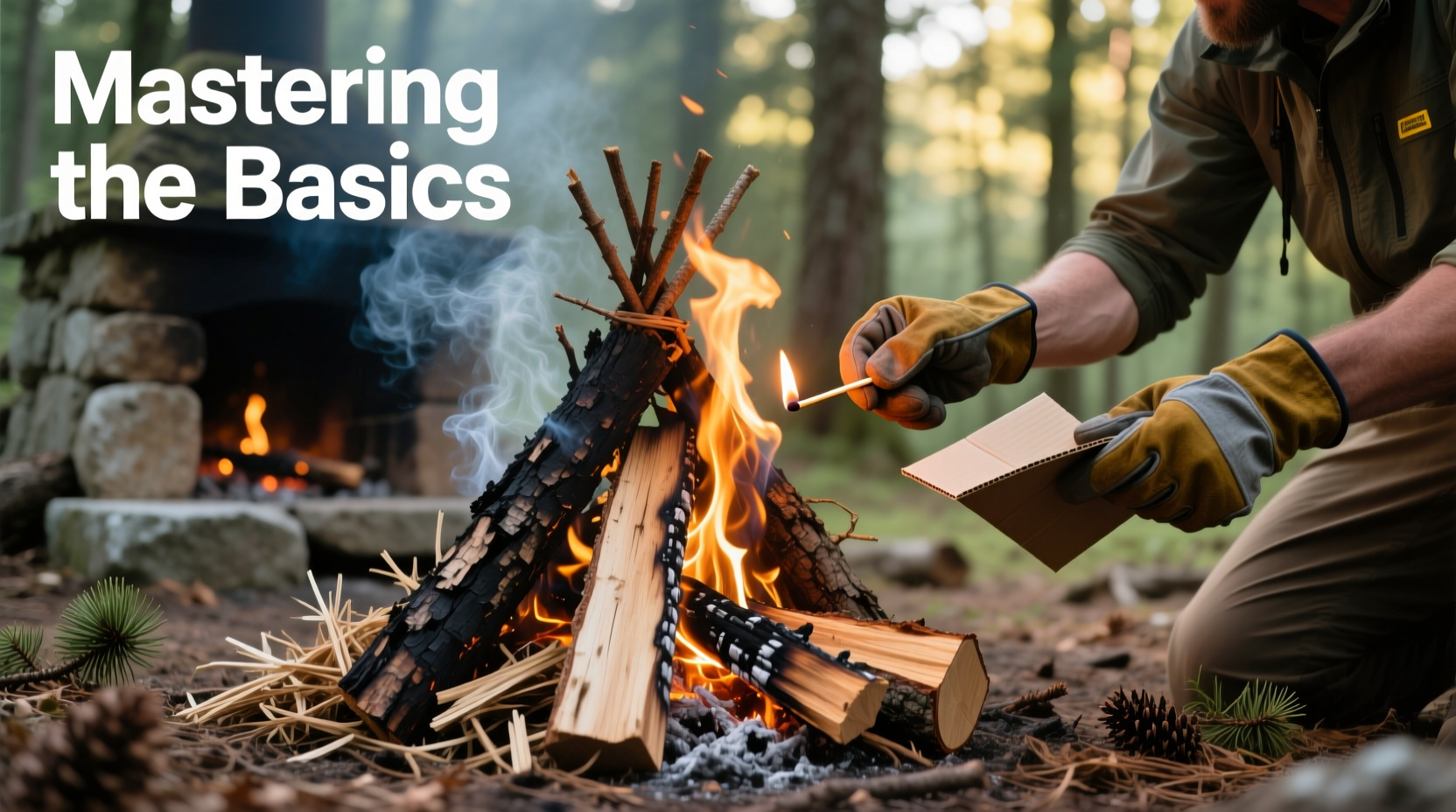
Before striking a match, it's crucial to understand what fire needs to exist: heat, fuel, and oxygen. These three elements form the “fire triangle.” Remove any one, and combustion stops. When building a fire, your goal is to bring these components together in balance.
- Heat: The ignition source—matches, lighters, flint, or friction—provides the initial energy to start the chemical reaction.
- Fuel: Combustible material like wood, paper, or charcoal sustains the flame once ignited.
- Oxygen: Airflow feeds the flames; without proper ventilation, even a well-built fire will smother.
A successful fire requires careful layering of materials that ignite easily and gradually transition to longer-burning fuels. Rushing this process often leads to failure or unsafe conditions.
Choosing the Right Location
The location of your fire determines safety and efficiency. Even a perfectly constructed fire becomes dangerous if placed incorrectly.
In wilderness settings, use established fire rings when available. If building from scratch, select a spot at least 15 feet away from tents, trees, overhanging branches, and dry vegetation. Clear a 10-foot diameter area down to bare soil. Digging a shallow pit (6–8 inches deep) helps contain heat and reduce wind exposure.
For backyard fires, ensure compliance with local regulations. Use a designated fire pit or metal ring. Avoid placing near decks, fences, or low-hanging tree limbs. Never burn on windy days or during drought warnings.
“Location is half the battle in fire safety. A poor site choice can turn a controlled flame into a wildfire in minutes.” — James Rourke, Wildland Firefighter & Outdoor Educator
Step-by-Step Guide to Building a Safe Fire
Follow this proven sequence to build a reliable fire every time:
- Collect materials in three categories:
- Tinder: Fine, dry material that ignites easily (dry leaves, birch bark, cotton balls with petroleum jelly).
- Kindling: Small sticks (pencil-thickness) that catch from tinder and sustain early flames.
- Fuelwood: Larger logs (wrist- to forearm-thick) that burn long once the fire is established.
- Arrange the base: Place tinder loosely in the center of your fire ring. Shape it into a small nest to allow airflow.
- Add kindling: Stack kindling in a teepee or log cabin formation around the tinder. Leave gaps for oxygen flow.
- Ignite carefully: Light the tinder in multiple spots using a match, lighter, or ferro rod. Shield the flame from wind initially.
- Feed gradually: Once kindling catches, add slightly larger sticks. Wait until they’re burning steadily before introducing fuelwood.
- Maintain and monitor: Keep extra wood nearby but not too close to the flames. Never leave a fire unattended.
Do’s and Don’ts of Fire Safety
| Do’s | Don’ts |
|---|---|
| Keep a bucket of water or sand nearby | Use accelerants like gasoline or alcohol |
| Build only in designated or cleared areas | Burn trash or plastic (releases toxic fumes) |
| Supervise children and pets around fire | Leave a fire unattended, even briefly |
| Extinguish completely before leaving | Assume snow or rain has put out buried coals |
| Check local burn bans and weather conditions | Start a fire in high winds or dry conditions |
Real-World Example: A Backcountry Camping Incident
In 2021, two hikers in the Sierra Nevada attempted to cook dinner after a rainy day. Their tent was pitched just 10 feet from a grove of pine trees. They gathered damp wood and used hand sanitizer as an accelerant to get the fire going. Within minutes, a spark jumped onto dry needles beneath a low branch, igniting a small ground fire. Fortunately, they had water on hand and contained it quickly—but rangers later cited them for improper placement and use of accelerants.
This incident underscores common mistakes: poor site selection, wet fuel, and reliance on volatile liquids. Had the wind been stronger, the outcome could have been catastrophic. Proper preparation—carrying dry tinder, selecting a safer zone, and allowing time for natural drying—would have prevented the risk entirely.
Alternative Fire-Starting Methods
While matches and lighters are convenient, they can fail in wet or windy conditions. Knowing backup methods increases resilience.
- Ferrocerium Rod: Produces hot sparks (up to 5,000°F) that ignite even damp tinder. More reliable than matches in rain.
- Flint and Steel: Traditional method requiring practice. Best paired with char cloth for easier ignition.
- Fire Plow or Bow Drill: Friction-based techniques useful in survival scenarios. Require dry wood and physical effort.
Practice these methods in controlled environments before relying on them outdoors.
How to Extinguish a Fire Completely
Putting out a fire isn't just about dousing flames—it's about eliminating hidden heat. Follow the \"cold-out\" rule: stir ashes and check for heat until everything is cool to the touch.
- Stop adding fuel at least 30 minutes before departure.
- Pour water slowly over all embers, not just visible flames.
- Stir the ashes with a stick or shovel to expose buried coals.
- Repeat watering and stirring until no steam or hissing occurs.
- Feel above the ashes with the back of your hand—no heat should radiate.
Never bury a fire as a way to extinguish it. Residual heat can smolder underground and reignite hours later.
FAQ
Can I make a fire in the rain?
Yes, but preparation is key. Use waterproof tinder (like cotton balls soaked in petroleum jelly), shield the fire site with a tarp, and gather the driest wood possible—look under fallen logs or break branches from the interior of trees.
Is it safe to use a fire pit on a wooden deck?
Generally, no. Most portable fire pits exceed safe temperatures for composite or wooden surfaces. Use a fire pad made of stone, brick, or steel to protect the deck, and keep the unit at least 10 feet from railings or structures.
What kinds of wood should I avoid burning?
Avoid softwoods like pine when possible—they produce excessive smoke and creosote. Never burn treated lumber, plywood, or driftwood, as they release toxic chemicals when burned.
Conclusion
Mastering fire is more than a survival skill—it’s a responsibility. With the right knowledge, anyone can build a fire that’s warm, efficient, and safe. From selecting the perfect site to extinguishing the last ember, each step plays a role in protecting yourself and the environment. Practice these techniques in your backyard or campsite, refine your skills, and always prioritize caution over convenience.




 浙公网安备
33010002000092号
浙公网安备
33010002000092号 浙B2-20120091-4
Comments
No comments yet. Why don't you start the discussion?