
Walking your dog is more than just exercise—it’s an opportunity to bond, reinforce training, and provide mental stimulation. But before you head out the door, one crucial step sets the tone: attaching the leash correctly. A poorly applied leash can cause discomfort, injury, or even escape attempts. Whether you’re a first-time dog owner or refining your routine, mastering this fundamental skill ensures safety, comfort, and confidence for both you and your dog.
Understanding Leash Types and Fitting Tools
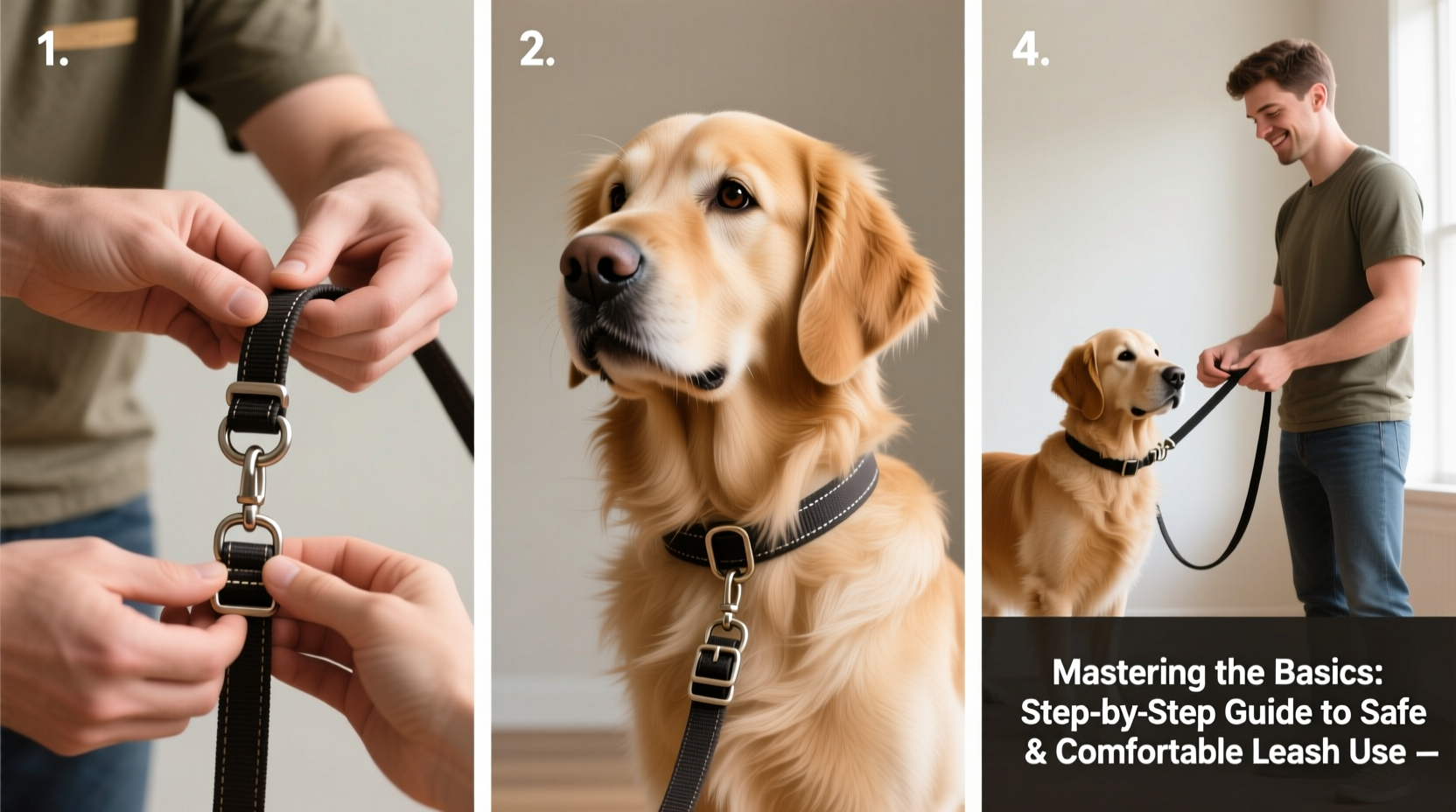
Not all leashes are created equal, and neither are collar types. The right combination depends on your dog’s size, breed, temperament, and physical needs. Common options include flat collars, harnesses, martingale collars, and head halters. Each serves a different purpose and requires specific attachment techniques.
Flat collars are standard for well-behaved dogs who don’t pull. Harnesses distribute pressure across the chest and shoulders, making them ideal for small breeds or strong pullers. Martingale collars tighten slightly under tension—perfect for dogs with narrow heads like Greyhounds. Head halters offer enhanced control but require gradual acclimation.
Step-by-Step Guide to Attaching a Leash Safely
- Prepare Your Equipment: Choose a properly fitted collar or harness. Check for wear, fraying, or broken buckles. Ensure the D-ring (where the leash attaches) is secure and centered.
- Approach Calmly: Call your dog in a cheerful tone. Avoid sudden movements that might trigger anxiety or resistance.
- Inspect Fit: For collars, ensure two fingers fit snugly between the collar and neck. For harnesses, check that straps lie flat without pinching and allow full range of motion.
- Position Correctly: If using a harness, make sure it’s oriented properly—many have labeled straps or color-coded sides. The D-ring should sit high on the chest or at the back, depending on design.
- Clip the Leash Securely: Open the snap or carabiner, slide it through the designated D-ring, and click firmly until it locks. Gently tug to test security.
- Observe Reaction: Watch your dog move. Look for signs of discomfort—scratching, shaking, or reluctance to walk. Adjust if needed.
This process should take less than a minute once practiced regularly, but rushing increases the risk of improper fitting or accidental detachment.
Do’s and Don’ts When Applying a Dog Leash
| Do’s | Don’ts |
|---|---|
| Check equipment weekly for damage | Use a worn or cracked leash clip |
| Introduce new gear gradually | Force a struggling dog into a harness |
| Ensure even strap distribution on harnesses | Attach leashes to tags or decorative loops |
| Use positive reinforcement during setup | Yank the leash to correct positioning |
| Adjust fit seasonally (e.g., thicker fur in winter) | Leave collars too tight long-term |
Real-Life Scenario: Turning Resistance into Cooperation
Sophia adopted Luna, a three-year-old rescue Beagle, who flinched every time someone reached for her collar. Initially, Luna would duck behind furniture when Sophia picked up the leash. Instead of forcing the issue, Sophia implemented a desensitization plan. She began by placing treats near the harness during meals. Over several days, she touched the harness to Luna’s back while offering praise. Then, she fastened one strap for just a few seconds—immediately followed by playtime. Within two weeks, Luna not only tolerated the harness but wagged her tail when she saw it come out. Now, clipping the leash takes seconds and ends with an excited hop toward the door.
This example illustrates that patience and consistency often resolve behavioral challenges more effectively than force.
Expert Insight: What Professionals Recommend
“Proper leash application starts before you even touch the dog. Observe their body language, build trust through routine, and never skip equipment checks. A loose buckle or ill-fitted harness can compromise safety in seconds.” — Dr. Rachel Nguyen, Certified Veterinary Behaviorist
Dr. Nguyen emphasizes that many leash-related incidents stem from preventable oversights. Regular inspection and mindful handling reduce risks significantly.
Essential Checklist Before Every Walk
- ✅ Collar or harness is clean, intact, and properly adjusted
- ✅ Leash has no frayed edges or weak clasps
- ✅ D-ring is free of debris and moves smoothly
- ✅ Dog appears relaxed and responsive to cues
- ✅ ID tags are attached and legible
- ✅ Waste bags and water are ready if needed
Running through this list becomes second nature with repetition and prevents last-minute surprises.
Frequently Asked Questions
How tight should a dog harness be?
A properly fitted harness allows two fingers to slide between any strap and your dog’s body. Straps should lie flat without twisting, and movement shouldn’t cause chafing. If hair is standing up where the harness sits, it’s likely too tight.
Can I use a leash with a retractable line on a harness?
While possible, it’s generally not recommended. Retractable leashes exert unpredictable pressure, which can strain joints or shift harness alignment. Fixed-length leashes offer better control and are safer for daily use, especially with front-clip harnesses designed to discourage pulling.
My dog slips out of their collar—what should I do?
If your dog escapes from a standard collar, switch to a martingale collar or well-fitted harness. These are designed to gently tighten under tension without choking. Never rely solely on breakaway collars for walks—they’re meant for safety at home, not outdoor excursions.
Building Confidence Through Consistency
The way you attach a leash communicates care and intention. Dogs pick up on subtle cues: a firm but gentle hand, a calm voice, predictable actions. Over time, these moments become part of a trusted ritual. When done correctly, leash application isn’t a chore—it’s the first step in a shared experience of exploration and connection.
Consistency also protects against complacency. Even experienced owners can overlook a worn clasp or misaligned strap. Making safety checks routine ensures longevity and peace of mind.
Conclusion
Putting on a dog leash may seem simple, but doing it safely and comfortably reflects deeper principles of responsible pet ownership: attention to detail, respect for your dog’s physical limits, and commitment to ongoing learning. By following these steps, avoiding common mistakes, and listening to expert guidance, you create a foundation for enjoyable, stress-free walks that strengthen your relationship with your dog.




 浙公网安备
33010002000092号
浙公网安备
33010002000092号 浙B2-20120091-4
Comments
No comments yet. Why don't you start the discussion?