
Assembling a Beyblade isn’t just about snapping parts together—it’s an art form that blends mechanics, balance, and strategy. Whether you're entering your first battle or refining your technique at home, understanding how each component affects performance is crucial. A well-assembled Beyblade can dominate in stamina, attack power, or defense, depending on your configuration. This guide walks you through every stage of building a high-performing Beyblade, from selecting compatible parts to fine-tuning for real-world battles.
Understanding Beyblade Components
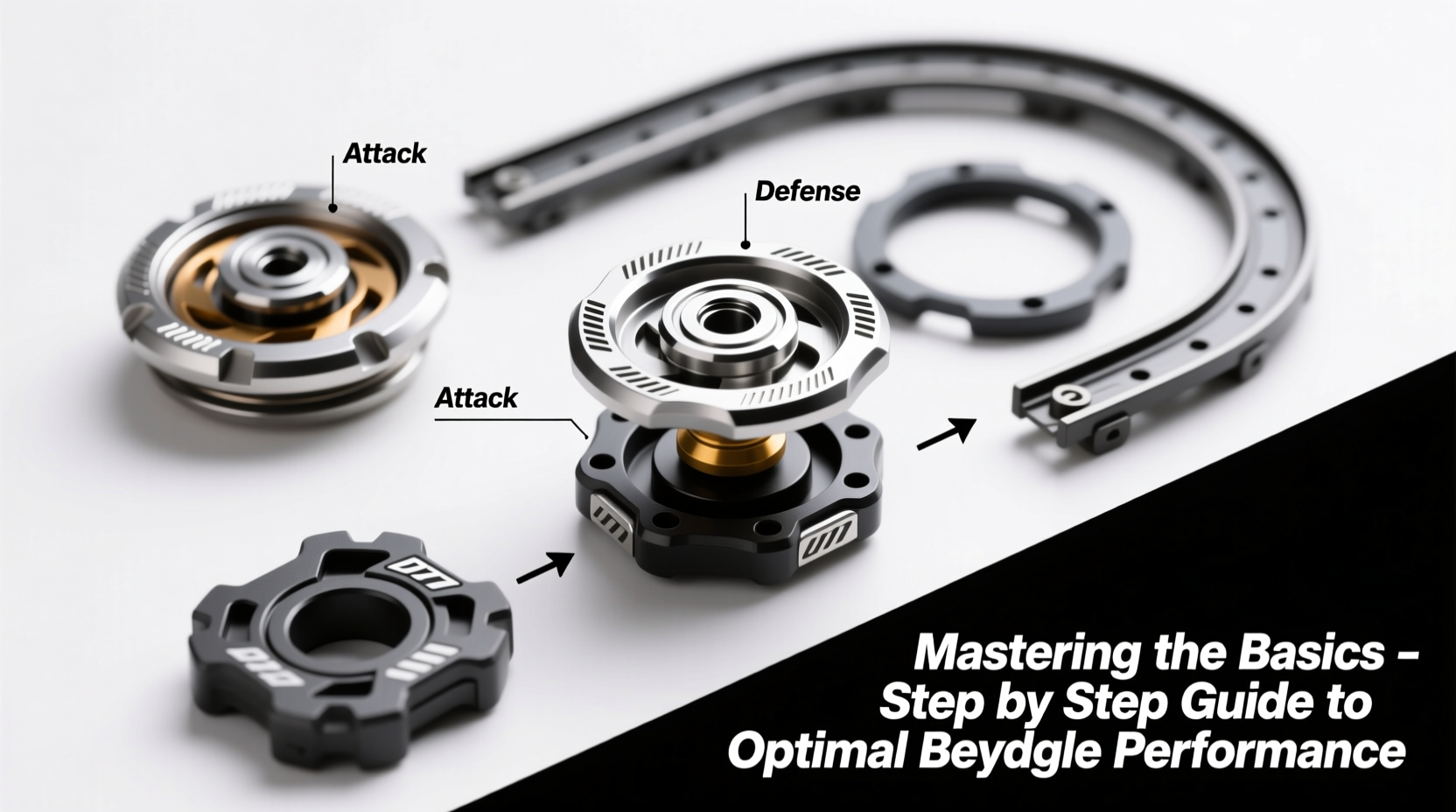
Modern Beyblades, especially those from the Burst series, are modular systems composed of three primary parts: the Layer, the Disk, and the Driver. Each plays a distinct role in determining how your Beyblade behaves during a match.
- Layer: The top section, responsible for attack style, weight distribution, and burst resistance. It often features teeth that engage with the Disk and Driver to prevent premature bursting.
- Disk: The middle weight ring that influences overall mass, balance, and inertia. Disks vary from lightweight to ultra-heavy, affecting momentum and stability.
- Driver: Also known as the Performance Tip, this is the point of contact with the stadium floor. It controls movement patterns—aggressive dash, steady spin, or defensive circling—and significantly impacts stamina and knock-out resistance.
Selecting compatible components isn't optional; it's foundational. Mixing incompatible generations (e.g., GT with Dual) will result in poor fit and performance failure. Always verify part compatibility using official Hasbro or Takara Tomy guidelines before assembly.
Step-by-Step Assembly Process
Proper assembly ensures maximum energy transfer, structural integrity, and spin longevity. Follow this sequence carefully:
- Inspect All Parts: Check for cracks, warping, or worn teeth. Damaged layers increase burst risk.
- Align the Layer and Disk: Match alignment markers if present. Some layers have directional designs that perform better when oriented correctly.
- Screw the Layer onto the Disk: Use firm but gentle pressure. Over-tightening can strip threads; under-tightening risks separation mid-battle.
- Attach the Driver: Twist clockwise until fully seated. Listen for a soft click indicating secure attachment.
- Final Balance Test: Spin the Beyblade briefly on a flat surface. Wobbling suggests misalignment or imbalance.
The entire process should take less than two minutes once familiarized, but precision matters more than speed. Rushing increases error risk.
Optimizing for Performance: Do’s and Don’ts
Even correct assembly doesn’t guarantee peak performance without strategic choices. The following table outlines key decisions based on battle goals:
| Goal | Recommended Setup | Avoid |
|---|---|---|
| Attack | Heavy disk + aggressive driver (e.g., Xtreme, Destroy) | Light disks or rubber-based stamina tips |
| Stamina | Balanced layer + medium-weight disk + low-friction tip (e.g., Dash, Unite) | Overweight combinations causing instability |
| Defense | Durable layer + high-inertia disk + wide, bouncing driver (e.g., Bearing, Hold) | Sharp-edged attack types prone to recoil damage |
“Top-tier players don’t win because they have rare parts—they win because they understand synergy.” — Kenji Sato, 3-Time Asian Beyblade Champion
Tips for Long-Term Maintenance and Tuning
Your Beyblade evolves with use. Regular maintenance preserves performance and reveals subtle tuning opportunities.
Wear on the Performance Tip alters behavior. A worn rubber tip may lose grip, while a scratched metal base creates drag. Inspect after every five battles. Replace or polish gently with fine-grit sandpaper if necessary.
Additionally, store Beyblades disassembled in labeled containers. This prevents thread compression and allows quick swaps during tournaments. Keep silica gel packets in storage boxes to reduce moisture exposure, especially in humid climates.
Real Example: From Beginner to Battle-Ready
Maya, a 12-year-old enthusiast, initially struggled with her Beyblade bursting within seconds. Her setup—a heavy 0 Disk paired with a sharp Xtreme’ driver—was too aggressive for her spinning technique. After consulting a local league coach, she switched to a balanced 7 Disk and opted for the Stallion driver, which offered controlled aggression with better recovery. Within weeks, her survival time doubled, and she won her first mini-tournament using a tuned version of her original blade. The change wasn’t in rarity—it was in understanding balance.
Essential Checklist Before Every Battle
Use this checklist to ensure readiness and consistency:
- ✅ Confirm all parts are from the same generation and compatible
- ✅ Clean each component with a dry cloth
- ✅ Verify no visible damage on teeth, disk edge, or driver
- ✅ Assemble in correct order: Layer → Disk → Driver
- ✅ Test spin stability on a smooth surface
- ✅ Double-check tournament rules for legal configurations
- ✅ Pack backup drivers and disks for adjustments
Frequently Asked Questions
Can I mix Hasbro and Takara Tomy parts?
Generally, yes—since around the Burst series launch, both companies adopted standardized sizing. However, minor tolerances exist. Always test for snug fit and proper alignment before competitive use.
Why does my Beyblade wobble even after tight assembly?
Wobbling usually indicates imbalance. Check if the disk is warped or if the layer is slightly off-center. Also, verify that the driver hasn’t developed uneven wear. Replacing the driver often resolves this issue.
How often should I replace the Performance Tip?
There’s no fixed timeline, but monitor for visible flattening, cracking, or reduced spin time. Competitive players typically rotate tips every 10–15 launches and replace them monthly with frequent use.
Conclusion: Build Smart, Spin Stronger
Mastering Beyblade assembly goes beyond mechanical skill—it requires attention to detail, respect for physics, and a willingness to experiment. The right combination of Layer, Disk, and Driver transforms potential into performance. Now that you understand how to build for balance, power, and endurance, it’s time to apply these principles in real matches. Fine-tune one variable at a time, document results, and refine your approach. Great bladers aren’t born—they’re built, spin after spin.




 浙公网安备
33010002000092号
浙公网安备
33010002000092号 浙B2-20120091-4
Comments
No comments yet. Why don't you start the discussion?