
Cooking from scratch doesn’t require a culinary degree or expensive equipment. It begins with understanding foundational techniques, building confidence with basic tools, and embracing the rhythm of home kitchens. In a world where convenience foods dominate, returning to homemade meals offers better nutrition, cost savings, and deeper satisfaction. The key is starting small—mastering a few core skills that open doors to endless possibilities.
Whether you’ve never held a chef’s knife or simply want to move beyond packaged mixes, this guide breaks down the essentials into manageable, repeatable steps. From planning your first meal to troubleshooting common mistakes, you’ll gain practical knowledge that sticks with you long after the pan is cleaned.
Why Cooking from Scratch Matters
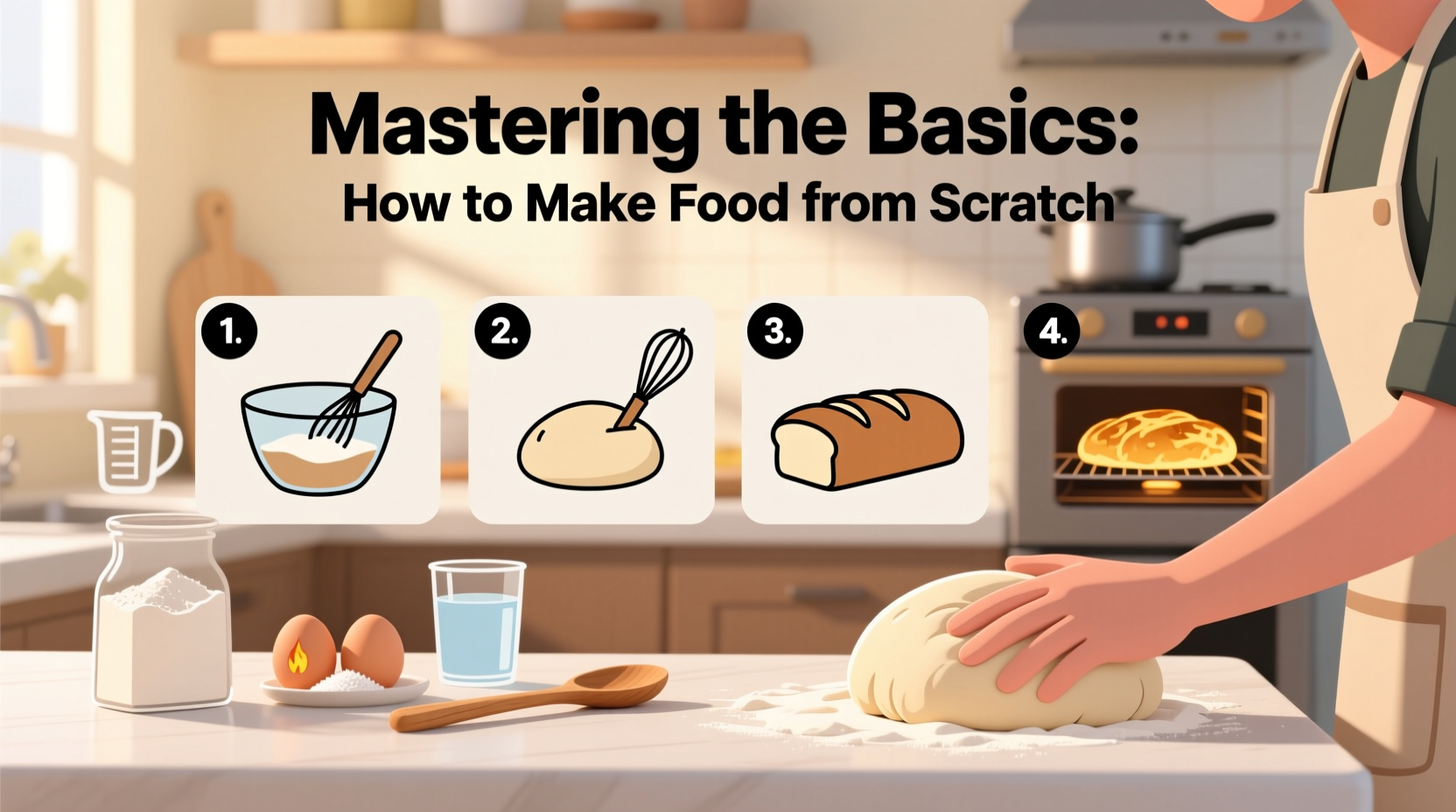
Home-cooked meals give you control over ingredients, flavor, and portion size. Unlike processed alternatives, scratch-made food avoids hidden sugars, preservatives, and excess sodium. More importantly, it fosters mindfulness about what you eat and strengthens your relationship with food.
Cooking also develops problem-solving skills. When a sauce breaks or a cake collapses, you learn why—and how to fix it. These experiences build intuition, turning uncertainty into confidence. Over time, even simple dishes become expressions of care, creativity, and personal taste.
“Learning to cook is not about perfection. It’s about consistency, curiosity, and the willingness to try.” — Chef Naomi Chen, Culinary Educator
Essential Tools and Pantry Staples
You don’t need a fully stocked kitchen to begin. Start with a few reliable tools and a shortlist of versatile ingredients. As your skills grow, so can your collection—but simplicity is your ally at the beginning.
Basic Equipment Checklist
- 8-inch chef’s knife
- Cutting board (preferably wood or plastic)
- Two mixing bowls (small and large)
- One large skillet (non-stick or cast iron)
- Saucepan with lid
- Wooden spoon and spatula
- Measuring cups and spoons
- Colander
- Oven mitts
Foundational Pantry Items
| Category | Items |
|---|---|
| Fats & Oils | Olive oil, butter, neutral oil (like canola) |
| Grains | Rice, pasta, oats |
| Proteins | Dried beans, lentils, canned tuna, eggs |
| Flavor Builders | Salt, black pepper, garlic powder, onion powder, dried herbs |
| Liquids | Broth, vinegar, soy sauce |
A Step-by-Step Guide to Your First Scratch-Made Meal
Let’s walk through preparing a simple yet satisfying dish: vegetable sauté with scrambled eggs and toast. This meal teaches fundamental techniques—chopping, heating oil properly, controlling heat, and seasoning—without overwhelming complexity.
- Prep ingredients: Dice one small onion, chop half a bell pepper, and beat two eggs in a bowl. Toast two slices of bread.
- Heat the pan: Place a skillet over medium heat. Add 1 tablespoon of olive oil. Wait until the oil shimmers slightly—this indicates readiness.
- Sauté vegetables: Add onions and peppers. Stir occasionally for 5–7 minutes until softened and lightly browned.
- Add eggs: Pour beaten eggs into the pan. Let sit for 10 seconds, then gently push them from the edges toward the center with a spatula.
- Season and serve: Once eggs are mostly set but still moist, remove from heat. Season with salt and pepper. Serve immediately with toast.
Common Pitfalls and How to Avoid Them
Mistakes are part of learning. Recognizing common issues helps you correct them quickly and improve faster.
| Problem | Possible Cause | Solution |
|---|---|---|
| Food burns easily | Heat too high; unattended cooking | Use medium or low heat; stay nearby while cooking |
| Dry or tough meat | Overcooking; no resting time | Use a timer; let meat rest 5 minutes after cooking |
| Bland flavor | Insufficient seasoning | Taste as you go; add salt in layers, not all at once |
| Soggy textures | Overcrowding pan; steaming instead of searing | Cook in batches; leave space between ingredients |
“I ruined three omelets before I learned to lower the heat. Now I teach my students to cook slowly—it makes all the difference.” — Luis Mendez, Home Cooking Instructor
Real Example: Maria’s Kitchen Transformation
Maria, a 34-year-old office worker, relied on frozen dinners for years. After a health scare, she decided to learn cooking basics. She started with scrambled eggs and steamed vegetables—simple, forgiving dishes. Within two weeks, she was making soups from canned tomatoes and lentils. By month three, she had mastered a weekly roast chicken with potatoes and greens.
Her secret? She followed a consistent routine: plan one new recipe per week, prep ingredients the night before, and clean as she cooked. She kept a journal tracking what worked and what didn’t. Today, she cooks five nights a week and says, “I feel more in control—not just of my meals, but of my life.”
Your First 30-Day Cooking Plan
Building a habit requires structure. This checklist guides you through a month of progressive skill-building, focusing on repetition and reflection.
Weekly Cooking Checklist
- Week 1: Master 3 basic techniques (chopping, sautéing, boiling)
- Week 2: Cook 3 different grains (rice, pasta, quinoa)
- Week 3: Prepare 2 protein-based dishes (eggs, beans, chicken)
- Week 4: Combine components into one complete meal (e.g., stir-fry with rice and veggies)
Frequently Asked Questions
Do I need special ingredients to cook from scratch?
No. Scratch cooking means using whole, unprocessed ingredients you already recognize—vegetables, grains, legumes, eggs, and basic proteins. You don’t need exotic spices or rare items to start.
How do I know when food is done without a recipe?
Use your senses. Vegetables should be tender when pierced with a fork. Proteins should feel firm but springy when pressed. Sauces thicken as they reduce. Trust visual cues, smell, and touch over strict timers—especially as you gain experience.
What if I burn something or make a mistake?
It happens to everyone. A burnt pan can be cleaned. An over-salted soup can be diluted with water or unsalted broth. The real failure isn’t the error—it’s giving up because of it.
Conclusion: Start Small, Build Confidence
Cooking from scratch isn’t about replicating restaurant dishes on day one. It’s about laying a foundation—one chopped onion, one properly heated pan, one seasoned bite at a time. Every meal you prepare adds to your knowledge, reshaping not just your diet but your daily rhythm.
You don’t need perfection. You need practice. Pick one technique this week. Try one new dish. Taste it, reflect on it, and decide what to change next time. That’s how mastery grows—not in leaps, but in quiet, consistent effort.




 浙公网安备
33010002000092号
浙公网安备
33010002000092号 浙B2-20120091-4
Comments
No comments yet. Why don't you start the discussion?