
Clear communication begins with precision. One small word—often overlooked yet frequently used—can shape the clarity and professionalism of your message: \"sent.\" Whether you're composing an email, submitting a report, or texting a colleague, using \"sent\" correctly—both grammatically and orthographically—is essential. Missteps may seem minor, but they erode credibility and create confusion. This guide breaks down everything you need to know about the word \"sent\": its spelling, usage, common errors, and how to apply it confidently across different contexts.
Understanding the Basics: What Does “Sent” Mean?
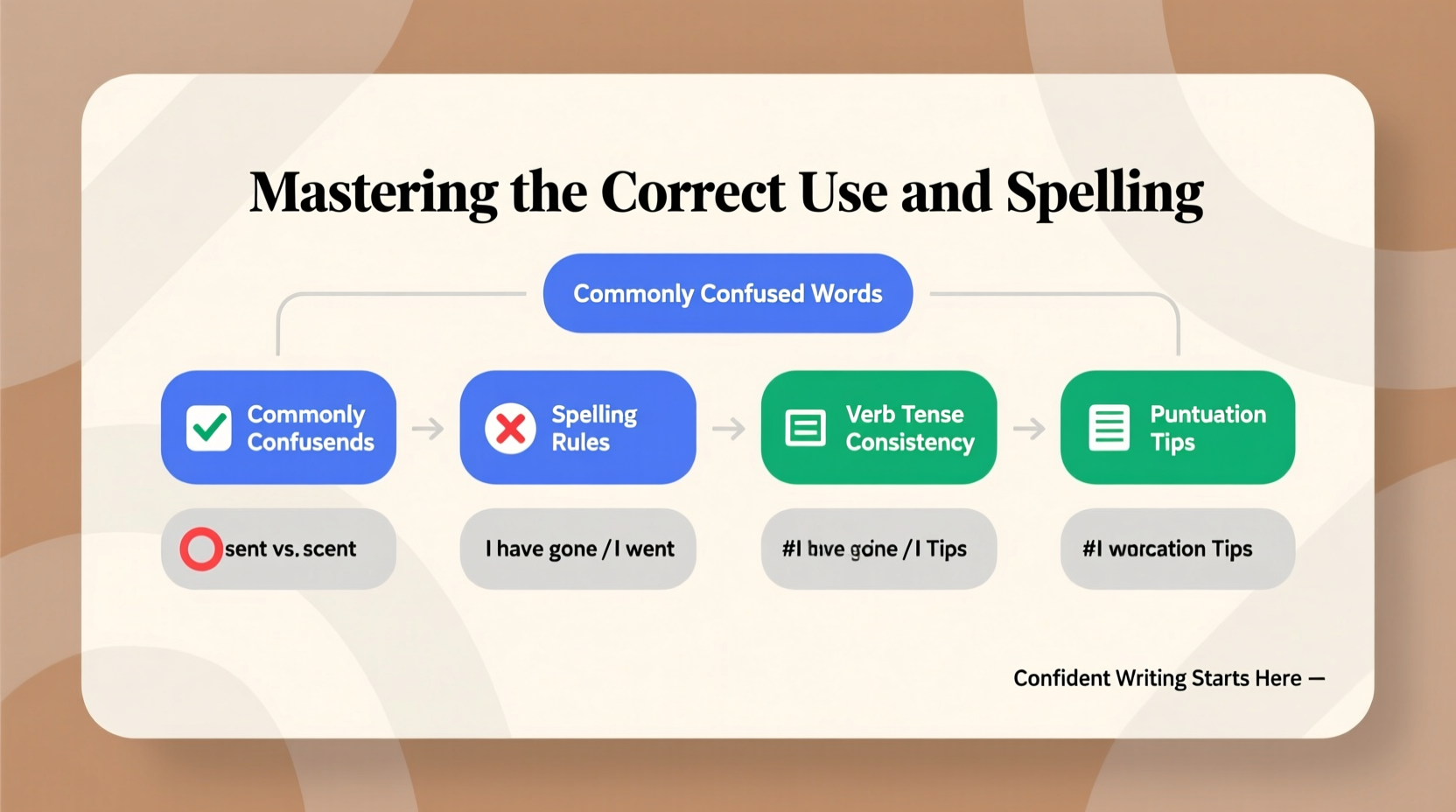
\"Sent\" is the past tense and past participle form of the verb \"to send.\" It describes the action of having dispatched something—be it a message, package, document, or signal—at a previous time. Unlike the base form \"send,\" which refers to present or future actions, \"sent\" anchors the act in the past.
For example:
- I sent the invoice yesterday.
- She has already sent her application.
- The team sent out the press release at noon.
Because \"sent\" is irregular (it doesn’t follow the standard -ed ending rule like \"walked\" or \"played\"), learners and even native speakers occasionally hesitate or make mistakes. But once understood, it becomes second nature.
Common Spelling Errors and How to Avoid Them
Despite its brevity, \"sent\" is sometimes misspelled due to phonetic confusion or autocorrect interference. Common variants include:
- Sended – Incorrect; \"send\" is irregular and does not take \"-ed.\"
- Sendt – A non-standard spelling influenced by regional dialects or language transfer.
- Sentt – A typographical doubling error.
These errors often occur under pressure—during fast typing or when writing informally. However, in professional or academic settings, such mistakes can undermine your authority.
“Precision in spelling reflects attention to detail—a hallmark of strong written communication.” — Dr. Laura Bennett, Linguistics Professor at Boston University
Do’s and Don’ts of Spelling “Sent”
| Do | Don’t |
|---|---|
| Use “sent” as both past tense and past participle | Write “sended” instead of “sent” |
| Double-check after typing quickly | Assume autocorrect will always fix it |
| Pair with auxiliary verbs correctly: “has sent,” “had sent” | Mix tenses: “has sented” |
| Practice saying “send–sent–sent” aloud to reinforce memory | Rely solely on memory without verification |
Correct Usage in Different Tenses and Constructions
To use \"sent\" effectively, understand how it functions within English verb structures. Below is a breakdown of proper usage across key tenses:
Past Simple: Completed Actions
Use \"sent\" to describe actions completed in the past.
- I sent the email before lunch.
- They sent a response two days ago.
Past Perfect: Action Before Another Past Action
Combine \"had\" with \"sent\" to show sequence.
- By the time she called, I had already sent the file.
- The notice was posted after we had sent the reminder.
Present Perfect: Past Action with Present Relevance
Use \"have/has + sent\" to link past actions to the present.
- He has sent three updates this week.
- We have sent all required documents to HR.
Passive Voice: Emphasizing the Recipient
In passive constructions, \"sent\" follows the object.
- A confirmation was sent to your inbox.
- The package was sent via express delivery.
Real-World Example: A Professional Email Gone Wrong
Consider this scenario: Maya, a project manager, sends a status update to stakeholders. She writes:
“We sended the final draft to the client and are waiting for feedback. We have already send the revised budget.”
The errors—“sended” and “send”—stand out immediately. Though the message is understandable, the incorrect verb forms suggest carelessness. Stakeholders might question her attention to detail or overall competence. A corrected version reads:
“We sent the final draft to the client and are waiting for feedback. We have already sent the revised budget.”
This version projects confidence and professionalism. One word, used correctly twice, strengthens the entire tone of the message.
Step-by-Step Guide to Using “Sent” Confidently
Follow these six steps to ensure consistent, accurate use of \"sent\" in your writing:
- Memorize the verb pattern: Send → Sent → Sent. Repeat it aloud until automatic.
- Pause before hitting send: Scan your message for instances of \"sent\" and verify spelling.
- Check auxiliary combinations: Confirm that phrases like “has sent” or “had sent” are used—not “has send” or “had sended.”
- Edit in reverse: Read your text backward sentence by sentence to catch isolated errors.
- Use grammar tools wisely: Tools like Grammarly or Hemingway help, but don’t rely on them entirely—understand the rule yourself.
- Practice with real examples: Rewrite sentences using “sent” in different tenses to build fluency.
Quick Confidence-Building Checklist
- ✅ Is “sent” spelled with one ‘t’? Yes.
- ✅ Did I avoid “sended”? Yes.
- ✅ Is “has/have/had + sent” used correctly? Yes.
- ✅ Does the passive voice use “was/were sent”? Yes.
- ✅ Have I proofread for context accuracy? Yes.
Frequently Asked Questions
Is “sended” ever correct?
No. “Sended” is not a valid English word. “Send” is an irregular verb, so its past form is “sent,” not “sended.” While some learners apply regular verb rules, this results in an error in standard English.
Can “sent” be used as a noun or adjective?
Rarely. In informal contexts, “sent” may appear as shorthand (e.g., “Check the sent folder”), where it functions as a noun referring to outgoing messages. However, this is derived from the verb and not a standalone lexical shift. It should not be used creatively outside established phrases.
What’s the difference between “I sent” and “I have sent”?
“I sent” (past simple) emphasizes when the action happened: “I sent it yesterday.” “I have sent” (present perfect) focuses on relevance to now: “I have sent it, so you should have received it.” Use the former for specific times, the latter when timing is vague or connection to the present matters.
Final Thoughts: Precision Builds Trust
Writing is more than conveying information—it’s about building trust. Every correctly used word signals competence and care. “Sent” may be small, but its consistent, accurate use strengthens your voice across emails, reports, texts, and proposals. Mastering it isn’t about perfectionism; it’s about professionalism.
Language evolves, but clarity remains timeless. When you write “sent” correctly, you’re not just following a rule—you’re showing respect for your reader and pride in your work.




 浙公网安备
33010002000092号
浙公网安备
33010002000092号 浙B2-20120091-4
Comments
No comments yet. Why don't you start the discussion?