
Walking your dog should be a joyful experience—for both of you. Yet, many pet owners struggle with pulling, discomfort, or even escape attempts during daily walks. The Easy Walk Harness is designed to address these challenges by gently discouraging pulling while distributing pressure evenly across the dog’s body. However, its effectiveness hinges on proper fitting and use. A poorly adjusted harness can lead to chafing, restricted movement, or reduced control. This guide walks you through every detail needed to master the Easy Walk Harness, ensuring your dog stays safe, comfortable, and cooperative on every outing.
Why the Easy Walk Harness Works
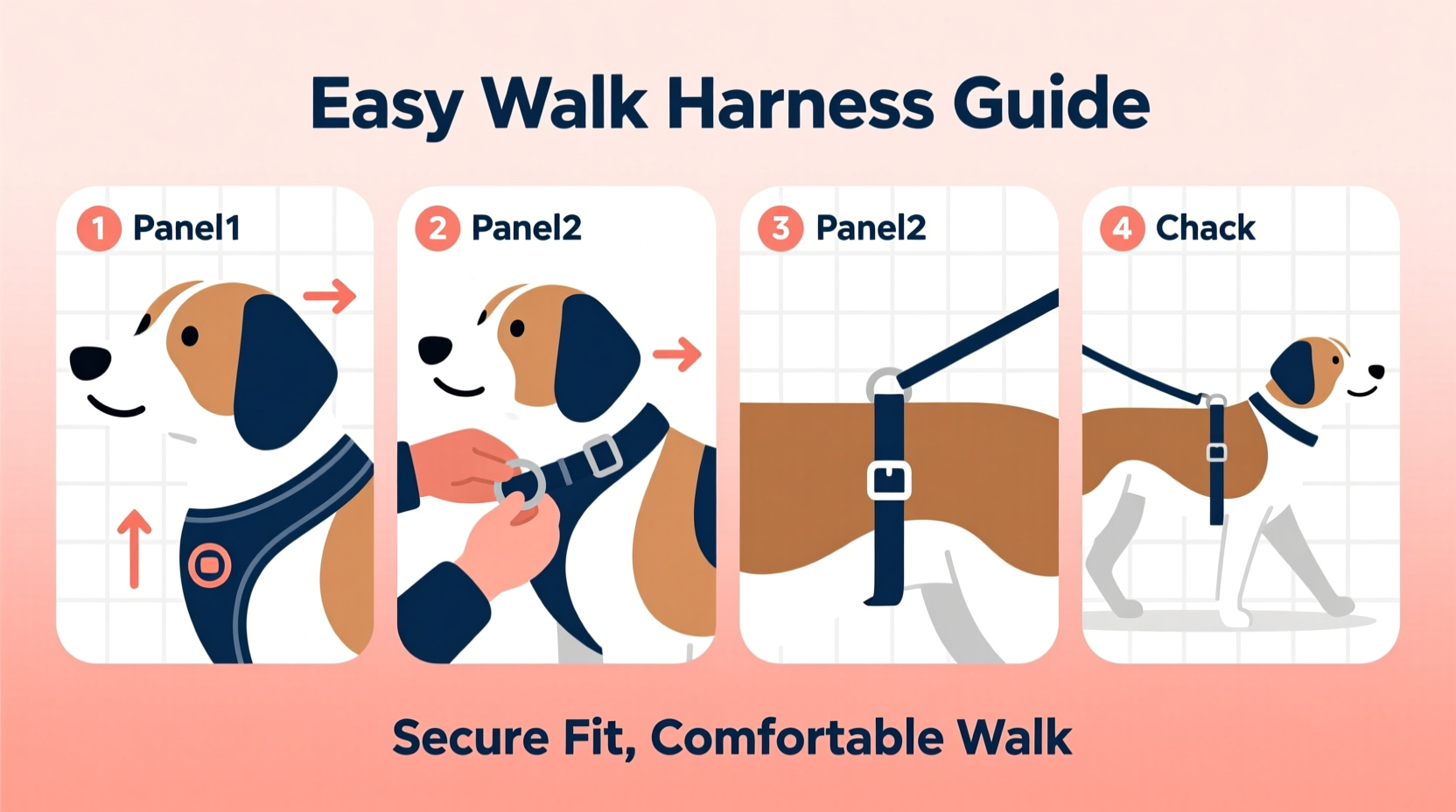
The Easy Walk Harness is engineered with a front-clip design that redirects your dog’s momentum when they pull. Unlike traditional back-clip harnesses, which can encourage forward motion during resistance, the front attachment gently turns the dog’s shoulders when tension is applied, guiding them back toward your side without choking or strain. This humane method promotes better leash manners over time.
Veterinarians and certified dog trainers frequently recommend the Easy Walk Harness for dogs prone to pulling, especially those with respiratory sensitivities such as brachycephalic breeds (e.g., Bulldogs, Pugs). Because it avoids pressure on the neck and trachea, it reduces the risk of injury associated with collars or choke-style restraints.
“Properly fitted, the Easy Walk Harness is one of the most effective tools for reducing leash-pulling behavior in dogs without resorting to punitive methods.” — Dr. Karen Becker, DVM, Integrative Veterinary Specialist
Step-by-Step Guide to Fitting the Easy Walk Harness
A correct fit ensures safety, comfort, and functionality. Follow this detailed process to get it right the first time:
- Choose the Correct Size: Measure your dog’s girth behind the front legs using a soft tape measure. Refer to the manufacturer’s size chart—do not guess based on weight alone. An incorrect size leads to rubbing, slipping, or restricted motion.
- Inspect the Harness: Ensure all buckles function smoothly and straps are free from fraying. The red ring should be positioned on the chest-facing side; the green ring (for leash attachment) must be at the front center.
- Put It On Backwards First: Slide the loop over your dog’s head with the padded strap across the back. The martingale loop (the adjustable band around the chest) should rest loosely under the belly at this stage.
- Rotate Into Position: Gently turn the harness so the martingale loop passes under the dog’s chest. This backward method prevents pinching and makes adjustment easier.
- Adjust the Chest Strap: Tighten the martingale loop until you can fit two fingers snugly underneath. This prevents twisting and ensures the front ring sits centered on the chest.
- Secure the Neck Strap: Fasten the neck strap so it fits like a collar—snug but allowing two fingers beneath. It should not slide over the dog’s shoulders when pulled.
- Attach the Leash: Clip the leash to the front-facing green ring only. Using the back ring defeats the anti-pull mechanism.
- Test the Fit: Give gentle tugs on the leash in different directions. The harness should stay in place without shifting excessively or restricting shoulder movement.
Common Mistakes and How to Avoid Them
Even experienced dog owners make errors when using the Easy Walk Harness. These missteps reduce effectiveness and can cause discomfort.
| Mistake | Consequence | Solution |
|---|---|---|
| Using the back clip for leash attachment | Loses anti-pull function; encourages pulling | Always attach leash to the front green ring |
| Chest strap too loose | Harness twists; poor control | Tighten until two fingers fit comfortably under strap |
| Neck strap too tight | Chafing, difficulty breathing | Allow space for two fingers; monitor for red marks |
| Incorrect size | Slipping, restricted movement | Re-measure girth; consult sizing chart |
Real-World Example: Transforming a Puller into a Polite Walker
Max, a 2-year-old Labrador Retriever, used to drag his owner down the sidewalk, often resulting in sore arms and skipped walks. After switching from a standard collar to an Easy Walk Harness, progress was immediate—but not perfect. Initially, Max’s owner attached the leash to the back ring, thinking it would give more control. Max continued pulling aggressively.
After consulting a trainer, the owner corrected the mistake: switching to the front clip and adjusting the chest strap properly. Within two weeks of consistent use and positive reinforcement, Max began walking attentively beside his owner. The turning action of the harness taught him that pulling didn’t get him where he wanted to go—staying close did. Today, their walks are relaxed and enjoyable.
Essential Tips for Long-Term Success
- Introduce the harness gradually. Let your dog sniff and wear it indoors before attaching a leash.
- Use treats and praise when your dog walks without pulling to reinforce good behavior.
- Wash the harness regularly in cold water and air dry to maintain elasticity and hygiene.
- Check fit monthly, especially in growing puppies or dogs with changing body conditions.
- Avoid using the harness for tethering or unattended situations—it’s designed for active walking only.
Frequently Asked Questions
Can I use the Easy Walk Harness for running or hiking?
The Easy Walk Harness is optimized for casual walking and training, not high-intensity activities. For running or rugged terrain, consider a performance-oriented harness with enhanced breathability and stability.
My dog keeps backing out of the harness. What am I doing wrong?
This usually means the neck strap isn’t snug enough. The harness relies on a secure neck fit to prevent escape. Recheck the two-finger rule and ensure the chest strap is tightened properly. Also, verify you’re using the correct size—some dogs need a custom fit.
Is the Easy Walk Harness suitable for small dogs or puppies?
Yes, the harness comes in sizes down to XXS, making it appropriate for small breeds and young puppies. Just ensure precise measurements and supervise initial use to confirm comfort and fit.
Final Checklist Before Every Walk
- ✔️ Harness size verified against current girth measurement
- ✔️ Front green ring is clean, intact, and facing forward
- ✔️ Chest strap snug (two fingers fit underneath)
- ✔️ Neck strap secure (no slipping over shoulders)
- ✔️ Leash attached to front ring only
- ✔️ No twisted straps or visible wear
- ✔️ Dog shows no signs of discomfort or irritation
Conclusion: Walk With Confidence
Mastering the Easy Walk Harness transforms routine walks into moments of connection and calm. When fitted correctly and used consistently, it becomes more than just gear—it’s a tool for building trust, improving behavior, and protecting your dog’s physical well-being. Take the time to learn the nuances of adjustment and application. Your dog will respond not just with better walking habits, but with greater comfort and confidence by your side.




 浙公网安备
33010002000092号
浙公网安备
33010002000092号 浙B2-20120091-4
Comments
No comments yet. Why don't you start the discussion?