
In today’s competitive job market, simply submitting a resume and cover letter is rarely enough. Employers receive hundreds of applications for a single position, making it essential to approach the job search with strategy, precision, and personal branding. Standing out isn’t about luck—it’s about preparation, presentation, and persistence. Whether you're entering the workforce, changing careers, or aiming for advancement, mastering the job application process can dramatically increase your chances of getting hired.
Optimize Your Resume for Impact and ATS Compatibility
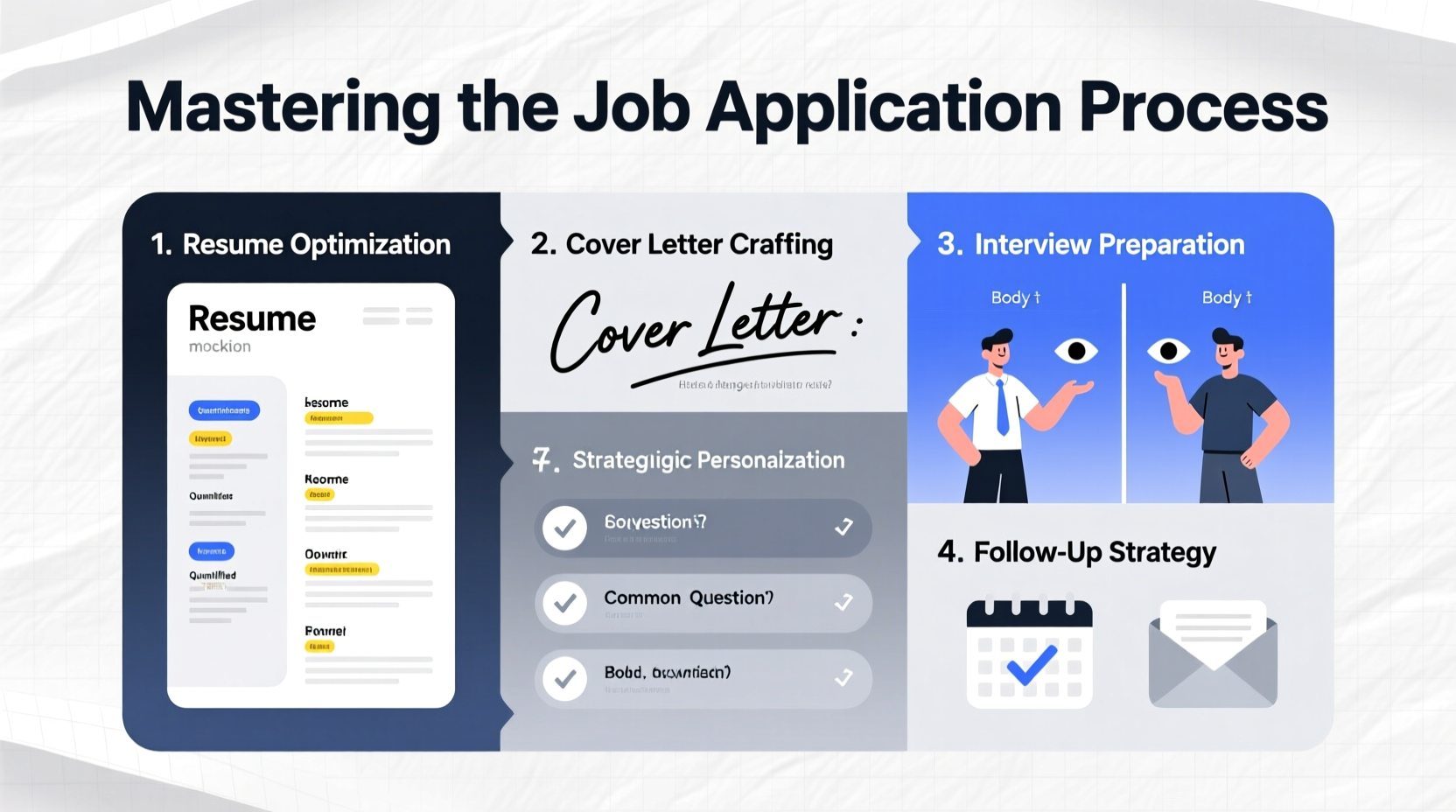
Your resume is often the first impression a hiring manager has of you. It must be both visually clean and strategically optimized. Many companies use Applicant Tracking Systems (ATS) to filter resumes before a human ever sees them. These systems scan for keywords, formatting consistency, and relevant experience.
To pass through ATS filters and capture recruiter attention:
- Tailor your resume for each job by aligning your skills and achievements with the job description.
- Incorporate industry-specific keywords—such as “project management,” “CRM integration,” or “budget forecasting”—naturally throughout your bullet points.
- Use standard section headings like “Work Experience,” “Education,” and “Skills” to ensure ATS recognition.
- Avoid complex layouts, graphics, or columns that may confuse parsing algorithms.
Focus on quantifiable achievements. Instead of writing “Managed social media accounts,” say “Increased Instagram engagement by 72% in six months through targeted content campaigns.” Metrics demonstrate value and make your contributions tangible.
Write a Compelling Cover Letter That Tells a Story
A well-crafted cover letter should not repeat your resume—it should complement it. Think of it as a narrative that explains why you’re passionate about the role and how your background uniquely qualifies you.
Structure your letter around three key elements:
- Opening Hook: Start with a strong statement. Mention a shared connection, a recent company achievement, or a personal motivation that ties directly to the organization’s mission.
- Core Message: Highlight one or two relevant experiences that prove your ability to deliver results in this role. Use specific examples and outcomes.
- Closing Call-to-Action: Express enthusiasm for an interview and confidence in your fit. Avoid generic closings like “I look forward to hearing from you.” Try instead: “I’d welcome the opportunity to discuss how I can contribute to your team’s goals.”
“Cover letters are where candidates show personality and intent. The ones that stand out connect personal values with organizational needs.” — Sarah Lin, Talent Acquisition Lead at TechForward Inc.
Build a Professional Online Presence
Recruiters routinely search for candidates online. A polished LinkedIn profile, professional portfolio, or personal website can reinforce your credibility and help you stand out.
Ensure your LinkedIn:
- Includes a high-quality photo and compelling headline (e.g., “Digital Marketing Strategist | Driving Growth Through Data-Driven Campaigns”).
- Features a detailed summary that highlights your expertise, career goals, and unique value proposition.
- Listens endorsements and recommendations from colleagues or supervisors.
- Shows consistent activity—sharing insights, commenting on industry posts, or publishing articles.
For creative or technical roles, a portfolio site showcasing projects, case studies, or code repositories adds significant weight. Even non-technical professionals benefit from a simple one-page site linking to their resume, LinkedIn, and notable work samples.
Do’s and Don’ts of Online Branding
| Do | Don’t |
|---|---|
| Use a professional email address (firstname.lastname@domain.com) | Use unprofessional emails (e.g., coolguy123@email.com) |
| Keep social media profiles private or clean | Post controversial opinions or inappropriate content publicly |
| Engage thoughtfully in industry discussions | Over-promote yourself without adding value |
| Include keywords relevant to your field | Use vague terms like “hardworking” or “team player” without context |
Strategic Networking and Referrals
Many jobs are filled before they’re publicly posted—often through internal referrals or direct outreach. Building genuine relationships within your target industry increases your visibility and access to hidden opportunities.
Effective networking starts with intention:
- Reach out to alumni, former colleagues, or industry contacts with personalized messages.
- Attend virtual webinars, conferences, or local meetups to engage with professionals in your field.
- Offer value before asking for help—share useful resources, congratulate others on achievements, or provide thoughtful feedback.
When requesting a referral, be specific. Ask, “Would you be comfortable referring me for the Senior UX Designer role at your company?” rather than a vague “Can you help me find a job?”
Mini Case Study: From Cold Application to Interview Offer
Jamal, a mid-level project manager, applied to 37 positions over three months with no responses. He revised his approach: he optimized his resume with role-specific keywords, rewrote his LinkedIn headline and summary, and began engaging with content from leaders at his target companies. He also reached out to a former coworker who had moved to NovaTech Solutions.
After a brief catch-up call, Jamal asked if his contact could review his application for an open operations role. The colleague referred him internally. Within two days, Jamal received an interview invitation. His tailored materials and internal endorsement made the difference.
Step-by-Step Guide to the Ideal Application Timeline
Timing and consistency matter. Follow this structured timeline to maximize impact:
- Week 1: Research target companies and identify 5–10 roles that align with your skills. Bookmark job postings and set alerts.
- Week 2: Customize your resume and cover letter for each role. Save versions with clear filenames.
- Week 3: Update LinkedIn and portfolio. Request recommendations from trusted contacts.
- Week 4: Begin applying—submit 3–5 applications per week, prioritizing roles with recent postings (within 48 hours of going live).
- Ongoing: Track applications in a spreadsheet (Company, Role, Date Applied, Contact, Status). Follow up via email or LinkedIn after 7–10 days if no response.
Frequently Asked Questions
How long should my resume be?
For most professionals, one page is ideal. If you have over 10 years of relevant experience, a second page is acceptable—but only if every line adds value.
Should I include a cover letter even if it’s optional?
Yes. A strong cover letter sets you apart, especially when other applicants skip it. It shows initiative and gives you space to explain nuances your resume can’t capture.
What if I don’t meet all the job requirements?
Apply anyway if you meet 70–80% of the qualifications. Focus your application on transferable skills and demonstrated learning agility. Many employers prioritize potential over exact matches.
Final Checklist Before Hitting Submit
- ✅ Resume tailored to the job description with relevant keywords
- ✅ Cover letter customized with company name and role
- ✅ LinkedIn profile updated and aligned with application materials
- ✅ No spelling or grammatical errors (use tools like Grammarly or Hemingway)
- ✅ File names are professional and clear
- ✅ Application submitted during business hours (ideally Tuesday–Thursday morning)
Take Action Today
Mastering the job application process isn’t about perfection—it’s about strategy, consistency, and differentiation. Every application you submit should reflect careful thought and alignment with the employer’s needs. Small improvements in your resume, cover letter, and online presence compound into real advantages over time.
Start by revising one application packet this week. Then reach out to one contact in your network. Progress builds momentum. The job you want isn’t found by chance—it’s earned through deliberate action.




 浙公网安备
33010002000092号
浙公网安备
33010002000092号 浙B2-20120091-4
Comments
No comments yet. Why don't you start the discussion?