
Becoming a certified off leash dog trainer is more than mastering commands—it’s about understanding canine behavior, building trust, and creating freedom within structure. Off leash training demands precision, consistency, and deep knowledge of animal psychology. For those passionate about helping dogs thrive without physical restraints, certification validates expertise and opens doors to professional credibility. This guide walks through the essential steps, from foundational education to hands-on experience and official accreditation.
Why Certification Matters in Off Leash Training
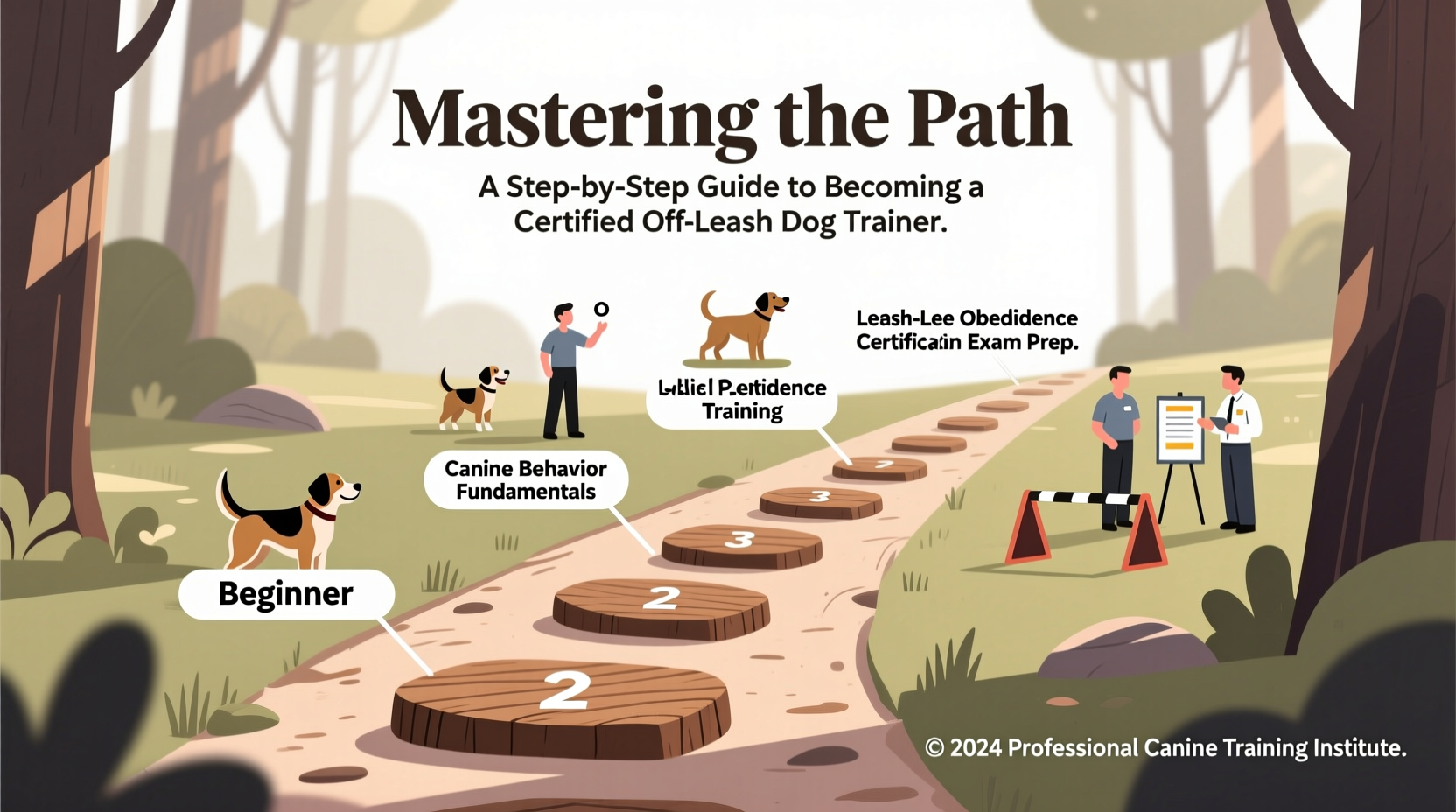
Certification is not just a piece of paper—it's a commitment to ethical standards, continuous learning, and client accountability. The demand for skilled off leash trainers has grown as pet owners seek reliable, humane methods that allow their dogs greater freedom in public spaces. Without proper training, off leash work can lead to behavioral issues, safety risks, or even legal liability.
Certified professionals stand out in a crowded market. They are equipped with science-backed techniques, understand breed-specific behaviors, and know how to manage distractions in dynamic environments like parks or urban sidewalks. Certification also signals to clients that you adhere to positive reinforcement principles and avoid punitive methods.
“Certification transforms passion into professionalism. It ensures trainers are prepared not just to teach tricks, but to build lasting behavioral change.” — Dr. Karen Becker, Veterinary Behavior Specialist
The Step-by-Step Path to Certification
Becoming a certified off leash dog trainer requires deliberate progression. Rushing through the process compromises both your reputation and the well-being of the animals you train. Follow this structured timeline to ensure comprehensive preparation.
- Complete Foundational Dog Training Education (Months 1–3)
Start with core concepts: operant conditioning, clicker training, body language interpretation, and basic obedience. Enroll in an introductory course from a reputable organization such as the Association of Professional Dog Trainers (APDT) or Coursera’s “Dog Emotion and Cognition” program. - Gain Hands-On Experience (Months 4–9)
Volunteer at shelters, assist experienced trainers, or offer pro-bono sessions to build real-world skills. Focus on observing how dogs respond to distractions, handler cues, and environmental stimuli—key components of off leash control. - Specialize in Off Leash Techniques (Months 10–15)
Study advanced recall systems, impulse control exercises, and distraction-proofing protocols. Programs like Jean Donaldson’s \"Train Your Dog Like a Pro\" or Leslie Nelson’s off leash mastery curriculum provide targeted instruction. - Select a Recognized Certification Program (Month 16)
Choose a certifying body that aligns with force-free ethics. Top options include CPDT-KA (Certified Professional Dog Trainer - Knowledge Assessed), IAABC (International Association of Animal Behavior Consultants), or KPA CTP (Karen Pryor Academy Certified Training Partner). - Prepare for and Pass the Exam (Months 17–18)
Study exam content outlines, take practice tests, and submit video demonstrations if required. Most certifications require logged training hours, so maintain detailed records throughout your journey.
Essential Skills Every Off Leash Trainer Must Master
Off leash training goes beyond teaching “come” or “stay.” It involves shaping behavior under unpredictable conditions. Here are the non-negotiable competencies every aspiring trainer should develop:
- Distraction Gradient Management: Systematically expose dogs to increasing levels of stimulation—from quiet backyards to busy trails—while reinforcing focus on the handler.
- Recall Refinement: Build bulletproof recalls using variable reward schedules and high-value incentives tailored to individual dogs.
- Environmental Awareness: Assess terrain, wildlife presence, weather, and human activity before allowing off leash access.
- Client Communication: Teach owners how to read their dog’s stress signals and reinforce training at home.
- Emergency Recall Protocols: Train emergency stop commands (e.g., “Leave it,” “Watch me”) that override prey drive or fear reactions.
| Skill | Training Method | Common Pitfall |
|---|---|---|
| Reliable Recall | Marker-based reinforcement with escalating distractions | Rewarding late arrivals, weakening response speed |
| Impulse Control | Wait/stay drills with release cues | Inconsistent timing leading to confusion |
| Focus Amidst Noise | Engagement games (Name Game, Look At Me) | Overloading too quickly without foundation |
Real-World Application: A Case Study
Meet Luna, a two-year-old Border Collie adopted from a rural shelter. Her owner wanted her to enjoy hikes off leash but struggled with chasing squirrels and ignoring calls. Sarah, a newly certified off leash trainer, applied a phased approach:
Phase 1 focused on building value for eye contact in low-distraction settings using treats and play. Phase 2 introduced mild distractions—rolling a ball nearby—while reinforcing check-ins. By Phase 3, Luna practiced recalls near woodland edges with controlled squirrel exposure (via recorded sounds). Over ten weeks, Luna progressed from unreliable responses to executing instant recalls despite strong prey triggers.
The key was gradual exposure paired with enthusiastic rewards. Sarah also coached the owner to avoid calling Luna only when ending fun, which had previously created negative associations. Instead, she used surprise rewards after successful returns, turning recall into a positive event.
Choosing the Right Certification: A Comparison
Not all certifications carry equal weight. Some emphasize theoretical knowledge, others prioritize practical demonstration. Below is a comparison of leading programs relevant to off leash specialization.
| Certification | Practical Requirement | Exam Format | Renewal Cycle |
|---|---|---|---|
| CPDT-KA | 300+ documented hours | Multiple choice + video submission | Every 3 years (CEUs required) |
| KPA CTP | Capstone project with live evaluation | Skills test + written assessment | Annual renewal with ongoing education |
| IAABC – Dog Behavior Consultant | Case studies + mentorship | Portfolio review + oral exam | Biennial renewal |
If your goal is hands-on off leash coaching, KPA CTP offers the most immersive skill validation. For broader career flexibility, CPDT-KA remains the industry standard.
Frequently Asked Questions
How long does it take to become a certified off leash dog trainer?
Most candidates spend 12–18 months preparing, including coursework, hands-on practice, and exam study. Accelerated paths exist but risk gaps in practical experience.
Can I specialize in off leash training without general certification?
No reputable program allows direct specialization without foundational credentials. Mastery of basic obedience and learning theory is required before advancing to off leash work.
Is online certification sufficient?
Only if combined with supervised in-person or video-reviewed practicums. Fully unproctored online certificates lack credibility in the professional community.
Final Checklist Before Certification
- Educational Foundation Complete?
- ✓ Completed courses in animal behavior and training methodology
- Experience Logged?
- ✓ Minimum 300 hours working directly with dogs in training settings
- Specialization Training Done?
- ✓ Advanced modules in off leash recall, focus, and environmental management
- Videos Prepared?
- ✓ Clear footage showing you training different breeds and managing distractions
- Application Reviewed?
- ✓ All forms, references, and fees submitted ahead of deadline
Take the Next Step With Confidence
Becoming a certified off leash dog trainer is a journey rooted in patience, observation, and compassion. It’s not merely about producing obedient dogs, but fostering partnerships where freedom and responsibility coexist. With structured learning, deliberate practice, and ethical certification, you position yourself as a trusted guide in the lives of dogs and their people.




 浙公网安备
33010002000092号
浙公网安备
33010002000092号 浙B2-20120091-4
Comments
No comments yet. Why don't you start the discussion?