
Layered jewelry is no longer just a trend—it’s a signature style statement. When done right, a carefully curated stack of necklaces or bracelets elevates any outfit from ordinary to extraordinary. But achieving that effortless elegance requires more than just piling on pieces. It’s about balance, proportion, and intentionality. Whether you’re dressing up for an evening out or adding subtle flair to your everyday wear, mastering the layered look means understanding how to combine lengths, metals, textures, and styles in harmony.
The key lies not in quantity, but in curation. A well-layered set draws attention to your neckline or wrists without overwhelming them. With the right approach, you can express individuality, highlight your personal style, and enhance your overall silhouette.
Understanding the Foundations of Layering
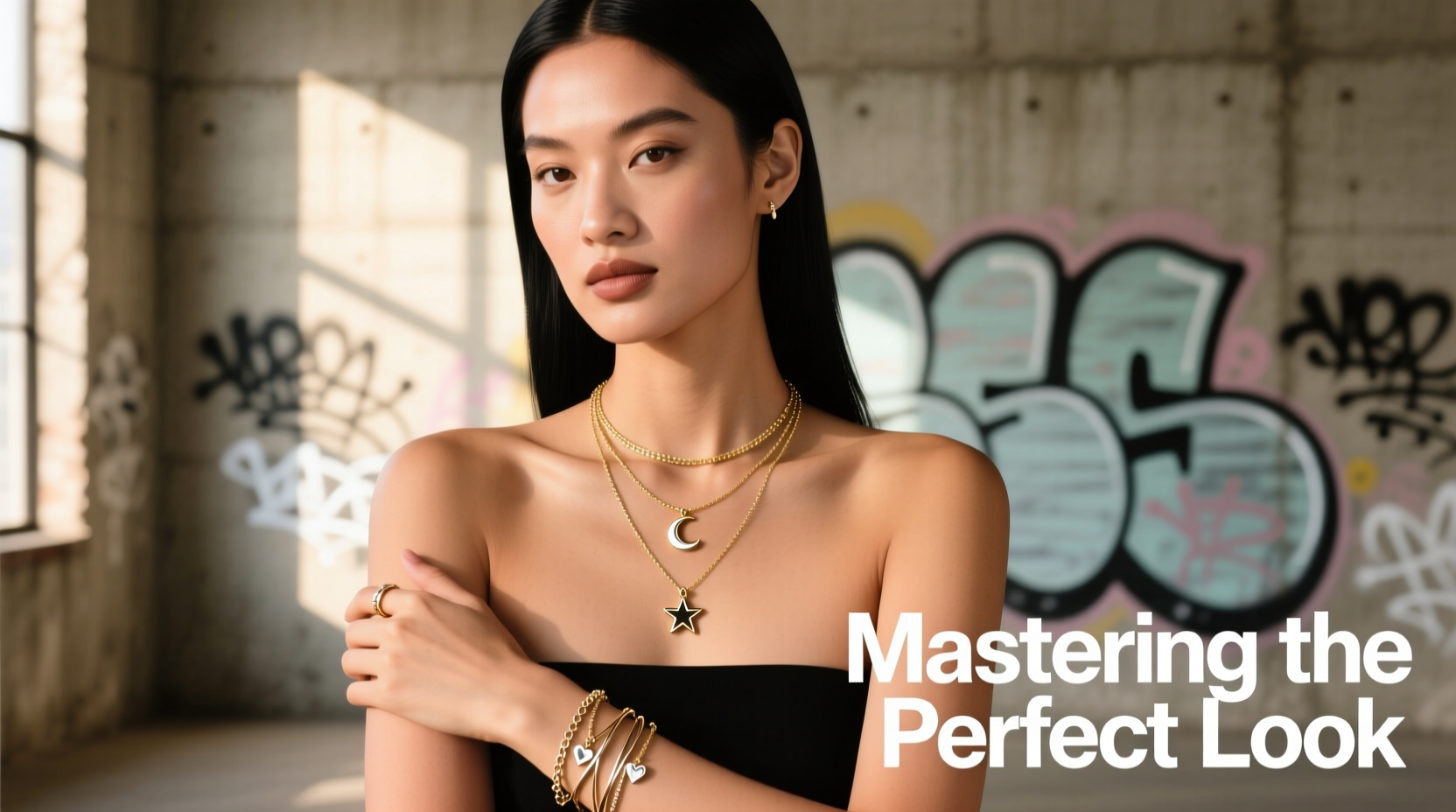
Before diving into combinations, it’s essential to understand the core principles that make layering work. Jewelry should complement your body shape, outfit, and occasion—not compete with them. Start by considering three fundamental elements: length, scale, and metal tone.
For necklaces, varying lengths prevent tangling and allow each piece to be seen. A common strategy uses three tiers: choker (14–16 inches), princess (18 inches), and matinee (20–24 inches). This staggered approach creates visual interest and depth. Similarly, bracelets benefit from a mix of widths and placements—delicate chains near the wrist bone, bolder cuffs further up the arm.
Metal consistency matters. While mixing gold and silver can work, it should be intentional. Stick to one dominant metal and use the secondary as an accent to avoid a cluttered appearance. If your outfit features warm tones, lean toward rose or yellow gold; cooler palettes pair better with silver or platinum.
The Art of Pairing Necklaces with Intention
Beginners often err on the side of too much. Instead, start with two complementary pieces and build from there. A strong foundation is usually a simple pendant on a medium-length chain, which anchors the look. Add a shorter, minimalist choker for contrast and a longer, delicate chain with a subtle charm to extend the eye downward.
Consider texture. Combine a smooth cable chain with a twisted rope or a beaded strand to add dimension. Just as clothing layers rely on fabric weight, jewelry layers thrive on tactile variation. However, avoid pairing two bold pendants—they’ll clash rather than coexist.
Neckline plays a crucial role. A plunging V-neck benefits from a longer Y-shaped layer or a graduated set that follows the line. High collars or turtlenecks call for shorter chains that sit above the fabric. Crew necks offer flexibility—use mid-length layers that rest just below the collarbone.
“Layering isn’t about stacking—it’s about storytelling. Each piece should have a purpose and a place.” — Lila Monroe, Jewelry Stylist & Creative Director at Adorn Atelier
Bracelet Stacking: Wrist Harmony in Action
Wrist layering offers even more creative freedom. Unlike necklaces, bracelets don’t drape over clothing, so they’re less constrained by neckline considerations. The goal here is rhythm: alternating between slim chains, textured bangles, and structural cuffs to create a dynamic yet cohesive arrangement.
Start with a centerpiece—a watch, a signet bracelet, or a meaningful charm. Build around it symmetrically or asymmetrically, depending on your preference. For a polished daytime look, stick to three to five pieces. Evening wear allows for bolder stacks of six or more, especially when incorporating mixed materials like leather, pearls, or enamel.
Proportion is critical. Petite wrists suit thinner chains and smaller links. Larger wrists can carry wider cuffs and chunkier designs. When in doubt, opt for lightweight materials to maintain comfort and elegance.
| Occasion | Necklace Layers | Bracelet Layers |
|---|---|---|
| Casual Daywear | 2–3 delicate chains | 2–3 thin bangles or chains |
| Office/Professional | 2 layered pendants (one focal) | Watch + 1–2 complementary chains |
| Evening/Event | 3–5 varied lengths & textures | 4–6 mixed styles including cuffs |
| Boho/Creative | Long chains with natural stones | Leather wraps + charms + beads |
Step-by-Step Guide to Building Your First Layered Set
Follow this timeline to confidently assemble a balanced, stylish combination:
- Assess your existing collection. Pull out all your necklaces and bracelets. Lay them flat and group by metal, length, and style.
- Choose a focal point. Select one standout piece—a pendant, a gemstone, or a vintage locket—that will serve as the anchor.
- Pick supporting layers. Add one shorter and one longer necklace that complements, not competes with, the focal piece.
- Test the flow. Put them on together. Check that the chains don’t tangle and that pendants hang at different levels.
- Refine with bracelets. Match the metal tone and repeat one design element (e.g., a geometric shape or chain type) on your wrist.
- Adjust for the outfit. Light fabrics? Opt for finer chains. Bold patterns? Keep jewelry minimal. Solid colors? Go bolder.
- Final check in natural light. Ensure the layers catch the light evenly and don’t pull or sag.
Avoiding Common Layering Mistakes
Even seasoned stylists occasionally misstep. The most frequent error is overcrowding—too many similar-length chains that bunch together. Another is mismatched proportions, such as pairing a thick, industrial cuff with ultra-fine, fragile necklaces.
Ignoring skin tone and undertones can also undermine the look. Cool undertones shine in silver and white gold; warm undertones glow in yellow or rose gold. Neutral undertones have the luxury of mixing both, provided the ratio favors one.
Finally, neglecting maintenance diminishes impact. Tarnished or tangled chains instantly downgrade a sophisticated ensemble. Regular cleaning and proper storage preserve luster and function.
Checklist: Perfect Layering in Five Steps
- ✅ Choose a dominant metal tone
- ✅ Vary necklace lengths by at least 2 inches
- ✅ Limit focal points to one per area (neck or wrist)
- ✅ Match jewelry weight to outfit intensity
- ✅ Store pieces separately to prevent scratches and tangles
Real-Life Example: From Office to Evening
Sophia, a marketing executive, wanted to transition her look from day to night seamlessly. During office hours, she wore a tailored blazer with a silk camisole. Her jewelry: a 16-inch rose gold choker with a small initial pendant, layered over an 18-inch chain with a tiny star charm. On her wrist, a minimalist rose gold watch and a single herringbone chain completed the look—professional yet personal.
After work, she added a 22-inch oxidized silver chain with a moonstone drop, creating depth and contrast. She swapped her watch for a hammered brass cuff and added two thin chain bracelets with micro-beads. The result? A transformation that required only two additional pieces but doubled the impact. Her layered ensemble turned heads at dinner—proof that thoughtful additions speak louder than sheer volume.
Frequently Asked Questions
Can I mix metals in layered sets?
Yes, but do so intentionally. Choose one metal as dominant (e.g., 70% gold) and use the other as an accent. Modern finishes like matte, brushed, or two-tone pieces help blend metals naturally.
How do I keep my layered necklaces from tangling?
Store them individually in soft pouches or on a necklace stand. When wearing multiple pieces, fasten the longest first, then work upward. Anti-tarnish strips also reduce friction that leads to knots.
Are layered bracelets suitable for professional settings?
Absolutely—when kept refined. Stick to three or fewer pieces, include a watch for polish, and avoid excessive jingle or bulk. Delicate chains or structured bangles in matching metals project confidence without distraction.
Final Thoughts: Own Your Style with Confidence
Styling a layered necklace and bracelet set isn’t about following rigid rules—it’s about developing an instinct for balance and expression. The most compelling looks are those that feel authentic, where every piece has meaning and placement. Over time, you’ll learn what resonates with your body, wardrobe, and personality.
Don’t wait for a special occasion to experiment. Begin with two pieces, observe how they interact, and gradually refine your combinations. Jewelry is wearable art; your layers are the brushstrokes.




 浙公网安备
33010002000092号
浙公网安备
33010002000092号 浙B2-20120091-4
Comments
No comments yet. Why don't you start the discussion?