
Cutting a pineapple may seem straightforward, but many people struggle with removing the tough core, avoiding the prickly eyes, and preserving the sweetest flesh. When done poorly, you end up with wasted fruit or uneven chunks that fall apart in your smoothie bowl. But when executed correctly, pineapple cutting becomes an efficient, satisfying task that yields juicy, golden pieces ready for snacking, grilling, or blending. With the right technique, even beginners can master this tropical staple.
Choosing the Right Pineapple
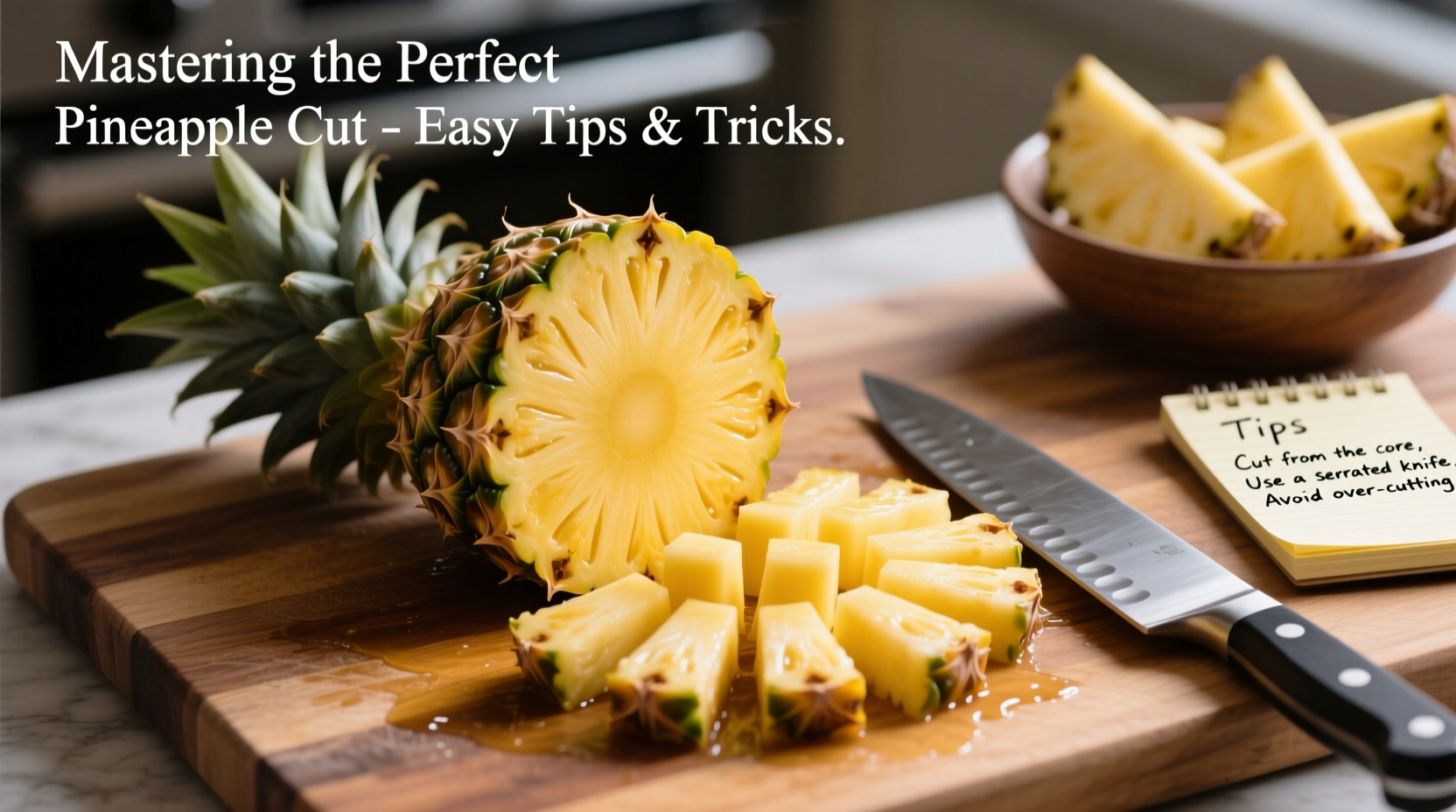
The foundation of a great cut starts before the knife ever touches the fruit. Selecting a ripe, high-quality pineapple ensures better flavor and easier handling. Look for a few key signs:
- Fragrance: A ripe pineapple emits a sweet, tropical aroma at the base. If it smells sour or fermented, it’s overripe.
- Color: Golden-yellow skin indicates ripeness, though some green is acceptable—color alone isn’t definitive.
- Leaves: Gently tug on the central crown leaf. If it pulls out easily, the pineapple is likely ripe.
- Firmness: The fruit should yield slightly under pressure but not feel mushy.
Essential Tools for Precision Cutting
Using the correct tools streamlines the process and reduces mess. You don’t need specialty gadgets, but having the right basics makes all the difference.
| Tool | Purpose | Alternative |
|---|---|---|
| Sharp Chef’s Knife | Clean cuts through rind and core | Serrated knife (less precise) |
| Stable Cutting Board | Prevents slipping during slicing | Non-slip mat under board |
| Boning Knife or Paring Knife | Removing eyes and fine trimming | Small utility knife |
| Melon Baller (optional) | De-eyeing without excessive flesh loss | Teaspoon or small spoon |
“Precision begins with a sharp blade. A dull knife crushes fibers instead of slicing them, leading to bruised fruit and more waste.” — Carlos Mendez, Culinary Instructor & Tropical Fruit Specialist
Step-by-Step Guide to the Perfect Pineapple Cut
Follow this proven method to achieve uniform, eye-free pineapple pieces with minimal effort and maximum yield.
- Trim the Top and Bottom: Place the pineapple upright on the cutting board. Use a chef’s knife to slice off the leafy crown and the opposite base. This creates flat surfaces for stability.
- Stand and Peel: Set the pineapple upright on one flat end. Carefully slice downward to remove the outer rind, following the curve of the fruit. Remove just enough to eliminate the tough brown skin and any remaining “eyes.”
- Check for Remaining Eyes: Run your fingers over the surface. If you feel small indentations (the eyes), use a paring knife or melon baller to scoop them out in shallow arcs.
- Quarter the Pineapple: Lay the peeled fruit on its side and cut lengthwise into four equal sections.
- Remove the Core: The fibrous core runs down the center of each quarter. Angle your knife to slice it out from each piece. Save the core for smoothies—it’s packed with bromelain, an enzyme known for aiding digestion.
- Cube or Slice: Cut the quarters into bite-sized cubes or diagonal slices depending on your intended use.
Avoiding Common Mistakes
Even experienced cooks sometimes make errors that compromise texture and taste. Watch out for these pitfalls:
- Peeling too deep: Removing too much flesh along with the rind wastes up to 30% of the edible portion.
- Leaving the core intact: While safe to eat, the central core is tough and chewy. Remove it unless blending.
- Using a serrated knife aggressively: Sawing motions tear the fruit. Use smooth, controlled strokes.
- Cutting too far in advance: Pineapple oxidizes quickly. Cut no more than 2–3 hours before serving for peak freshness.
Real Example: From Frustration to Mastery
Jamila, a home cook in Miami, used to avoid buying pineapples because she always ended up with jagged pieces and leftover eyes. After watching a demonstration at her local farmers market, she tried the vertical peeling method described above. By standing the pineapple upright and slicing with the curve, she removed the rind cleanly in just three long strokes. Using a melon baller, she scooped out the remaining eyes efficiently. For the first time, she had perfectly cubed pineapple with zero waste. She now serves it weekly on yogurt bowls and says, “It takes five minutes and tastes like sunshine.”
When and How to Use Different Cuts
The way you cut pineapple should match how you plan to serve it. Here’s a quick reference:
| Cut Style | Best For | Tips |
|---|---|---|
| Chunks | Fruit salads, kebabs, freezing | Keep uniform size for even eating |
| Wedges | Grilling, presentation platters | Leave skin on during grilling for structure |
| Rounds | Smoothie prep, garnishes | Remove core with a biscuit cutter |
| Shaved or Julienne | Tacos, salsas, Asian dishes | Use a mandoline for thin, even strips |
Storage Tips for Freshness and Flavor
Once cut, pineapple should be stored properly to maintain texture and prevent spoilage.
- Place in an airtight container in the refrigerator for up to 5 days.
- For longer storage, freeze cubes on a tray before transferring to a freezer bag—lasts up to 6 months.
- Never store cut pineapple in water; it dilutes flavor and accelerates softening.
- To slow browning, add a squeeze of lime juice before sealing.
FAQ
Can I eat the pineapple core?
Yes, the core is edible and rich in fiber and bromelain. It’s tougher than the outer flesh, so it’s best blended into smoothies or juices rather than eaten raw.
Why does pineapple sometimes burn my tongue?
Pineapple contains bromelain, a proteolytic enzyme that breaks down proteins—including those in your mouth. This causes a temporary tingling sensation. Cooking or pairing with dairy (like yogurt) neutralizes the effect.
Is there a faster way to cut a pineapple?
While spiral slicers exist, they often waste more flesh. The traditional method described here takes about 6–8 minutes and maximizes usable fruit. Practice improves speed significantly.
Conclusion
Mastering the perfect pineapple cut isn’t about fancy tools or secret hacks—it’s about understanding the fruit’s structure and working with it, not against it. With a sharp knife, a steady hand, and the right sequence of steps, anyone can transform a spiky exterior into glistening, sweet cubes ready for any dish. Whether you're prepping for a summer barbecue, a healthy snack, or a vibrant salsa, precision cutting enhances both appearance and enjoyment. The more you practice, the faster and cleaner your results will become.




 浙公网安备
33010002000092号
浙公网安备
33010002000092号 浙B2-20120091-4
Comments
No comments yet. Why don't you start the discussion?