
Sautéing precooked shrimp is one of the fastest ways to elevate a simple meal into something restaurant-quality. Whether you're tossing them into pasta, adding them to stir-fries, or serving them over rice, the key lies in technique—not complexity. Many home cooks make the mistake of overcooking already-cooked shrimp, resulting in rubbery, dry bites that lack flavor. The truth is, with the right approach, you can achieve tender, juicy shrimp infused with rich aromatics and depth—all in under 10 minutes.
This guide breaks down the science and art behind sautéing precooked shrimp properly, offering actionable tips, timing insights, and flavor-building strategies that transform convenience into culinary excellence.
Why Sautéing Precooked Shrimp Works—When Done Right
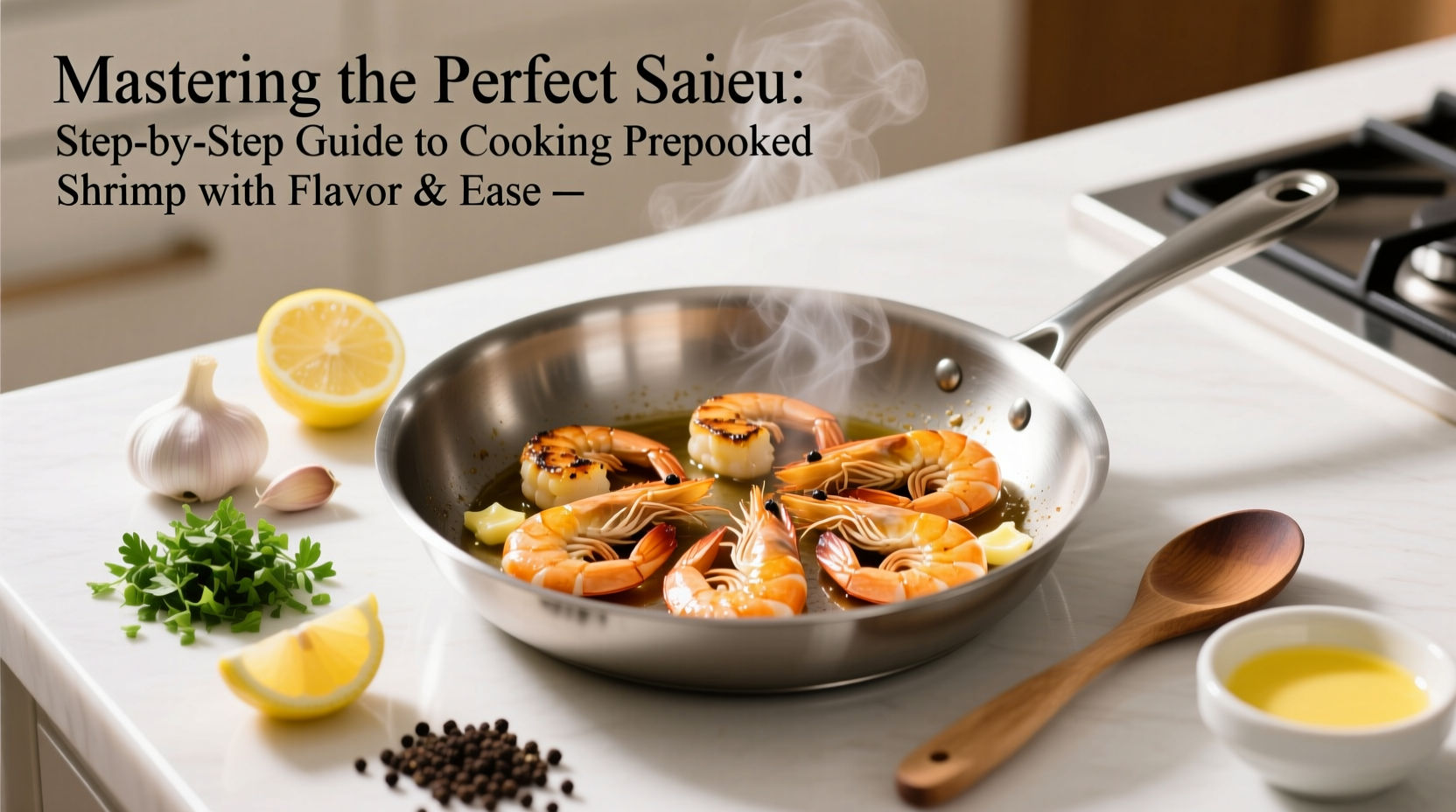
Precooked shrimp are a pantry staple for busy households. They’re peeled, deveined, and flash-frozen at peak freshness, preserving their natural sweetness. However, they enter your kitchen cold and often watery, which affects both texture and browning potential. Unlike raw shrimp, which develop flavor through the Maillard reaction during initial cooking, precooked shrimp need careful handling to avoid drying out while still absorbing new layers of taste.
The goal isn’t to cook them again but to reheat gently while building flavor around them. A well-executed sauté uses heat, fat, and aromatics to create a warm, flavorful environment where shrimp rehydrate slightly and absorb surrounding seasonings without becoming tough.
The Essential Ingredients and Tools
Success begins with quality ingredients and proper equipment. You don't need many items, but each plays a critical role.
Fat & Oil
Choose oils with high smoke points and complementary flavors. Extra virgin olive oil adds fruitiness but burns easily; blend it with butter or use refined olive oil instead. For neutral results, go with avocado or grapeseed oil.
Aromatics
- Garlic – adds depth; add late to prevent burning.
- Shallots or onions – build savory base notes.
- Fresh herbs (parsley, cilantro, chives) – finish dishes with brightness.
- Lemon zest or juice – enhances brininess without overpowering.
Pan Type
A heavy-bottomed skillet—preferably stainless steel or cast iron—distributes heat evenly and promotes better searing. Nonstick works if you're cautious about sticking, but won’t deliver the same fond development.
“Reheating shrimp properly is more delicate than cooking them from scratch. It’s about warmth transfer, not temperature intensity.” — Chef Marcus Bell, Culinary Instructor at New Orleans Institute of Cooking
Step-by-Step Guide to Perfectly Sautéed Precooked Shrimp
- Thaw completely and drain: If frozen, thaw shrimp overnight in the fridge or under cold running water. Never microwave—they’ll start cooking unevenly.
- Dry thoroughly: Use paper towels to remove all surface moisture. This ensures even heating and allows spices to adhere.
- Heat the pan: Place skillet over medium heat for 1–2 minutes until warm.
- Add oil: Swirl in 1 tablespoon of oil (or oil-butter mix). Let it shimmer but not smoke.
- Sauté aromatics first: Add minced shallot or garlic; cook 30–60 seconds until fragrant. Don’t let them brown.
- Add shrimp in single layer: Spread shrimp evenly. Cook undisturbed for 1 minute to allow gentle warming.
- Flip and season: Toss shrimp lightly. Sprinkle with salt, pepper, paprika, or red pepper flakes. Cook another 1–2 minutes total.
- Finish with acid and herbs: Off heat, stir in lemon juice, chopped parsley, or a splash of white wine. Serve immediately.
Flavor Profiles That Work Best
Variety keeps meals exciting. Here are three reliable combinations that pair beautifully with sautéed precooked shrimp:
| Flavor Profile | Key Ingredients | Best Paired With |
|---|---|---|
| Mediterranean | Olive oil, garlic, oregano, lemon, cherry tomatoes, Kalamata olives | Pasta, couscous, grilled vegetables |
| Cajun Creole | Butter, smoked paprika, cayenne, onion, bell pepper, thyme | Jambalaya, grits, cornbread |
| Asian-Inspired | Sesame oil, ginger, soy sauce, scallions, rice vinegar, chili paste | Noodles, fried rice, bok choy |
These profiles aren’t rigid—adapt based on what you have. The principle remains: layer flavors early, protect shrimp from direct high heat, and finish bright.
Common Mistakes and How to Avoid Them
- Overcrowding the pan: Leads to steaming instead of sautéing. Cook in batches if necessary.
- Using high heat: Causes edges to burn while centers remain cold. Medium is ideal.
- Adding shrimp too early: If aromatics aren’t fragrant yet, flavors won’t infuse properly.
- Stirring constantly: Prevents gentle warming and contact with the pan needed for flavor absorption.
- Seasoning only at the end: Salt added mid-process helps draw out and balance flavors.
Mini Case Study: From Bland to Brilliant in 7 Minutes
Sarah, a working parent in Austin, used to serve plain microwaved shrimp over instant rice. After trying the dry-pat and low-sauté method with garlic, lemon, and parsley, she noticed an immediate difference. “I thought ‘precooked’ meant ‘compromise,’ but now my family asks for shrimp twice a week,” she said. She preps her aromatics ahead of time and keeps a container of seasoned oil in the fridge for faster weeknight builds. Her go-to? A lemon-garlic butter sauté finished with capers—ready in under 8 minutes.
Checklist: Perfect Sautéed Precooked Shrimp in Under 10 Minutes
- ☐ Thaw shrimp completely and pat dry
- ☐ Gather aromatics and seasonings beforehand
- ☐ Heat pan over medium, add oil or butter
- ☐ Sauté garlic/shallot until fragrant (~30 sec)
- ☐ Add shrimp in single layer; heat 1–2 minutes per side
- ☐ Season lightly with salt, pepper, spices
- ☐ Finish with fresh herbs and citrus juice off heat
- ☐ Serve immediately—do not hold or reheat
FAQ
Can I sauté frozen precooked shrimp without thawing?
Technically yes, but not recommended. Frozen shrimp release excess water, creating steam that dilutes flavor and prevents proper warming. Thaw first for best texture.
How do I know when precooked shrimp are done reheating?
They should feel warm throughout—about 120°F internally—but never hot enough to sizzle aggressively. Visual cue: opaque and glistening, not shrunken or curled tightly.
Can I freeze sautéed precooked shrimp?
No. Once reheated, shrimp degrade quickly upon refreezing. Store uncooked portions only, and sauté just before serving.
Final Thoughts: Elevate Convenience Without Sacrificing Quality
Mastering the sauté of precooked shrimp isn’t about reinventing the wheel—it’s about respecting the ingredient and maximizing its potential. With minimal effort, you can turn a humble bag of frozen shrimp into a vibrant, restaurant-worthy dish. The secret lies in patience: gentle heat, smart seasoning, and precise timing.
You don’t need exotic ingredients or hours in the kitchen. What matters is attention to detail—the dry start, the layered aromatics, the final flourish of acid and green. These small choices compound into big flavor.




 浙公网安备
33010002000092号
浙公网安备
33010002000092号 浙B2-20120091-4
Comments
No comments yet. Why don't you start the discussion?