
Starting a car may seem like a routine task—turn the key or press the button, and you're off. But behind this simple action lies a complex system of mechanical, electrical, and safety components that must work in harmony. Whether you drive a manual or automatic, an older model with a physical key or a modern vehicle with push-button ignition, understanding the correct procedure ensures not only smooth operation but also long-term engine health and personal safety. A careless start can lead to battery drain, starter motor damage, or even accidents. This guide breaks down the science and strategy behind starting your car the right way—every single time.
Understanding Your Vehicle’s Starting System
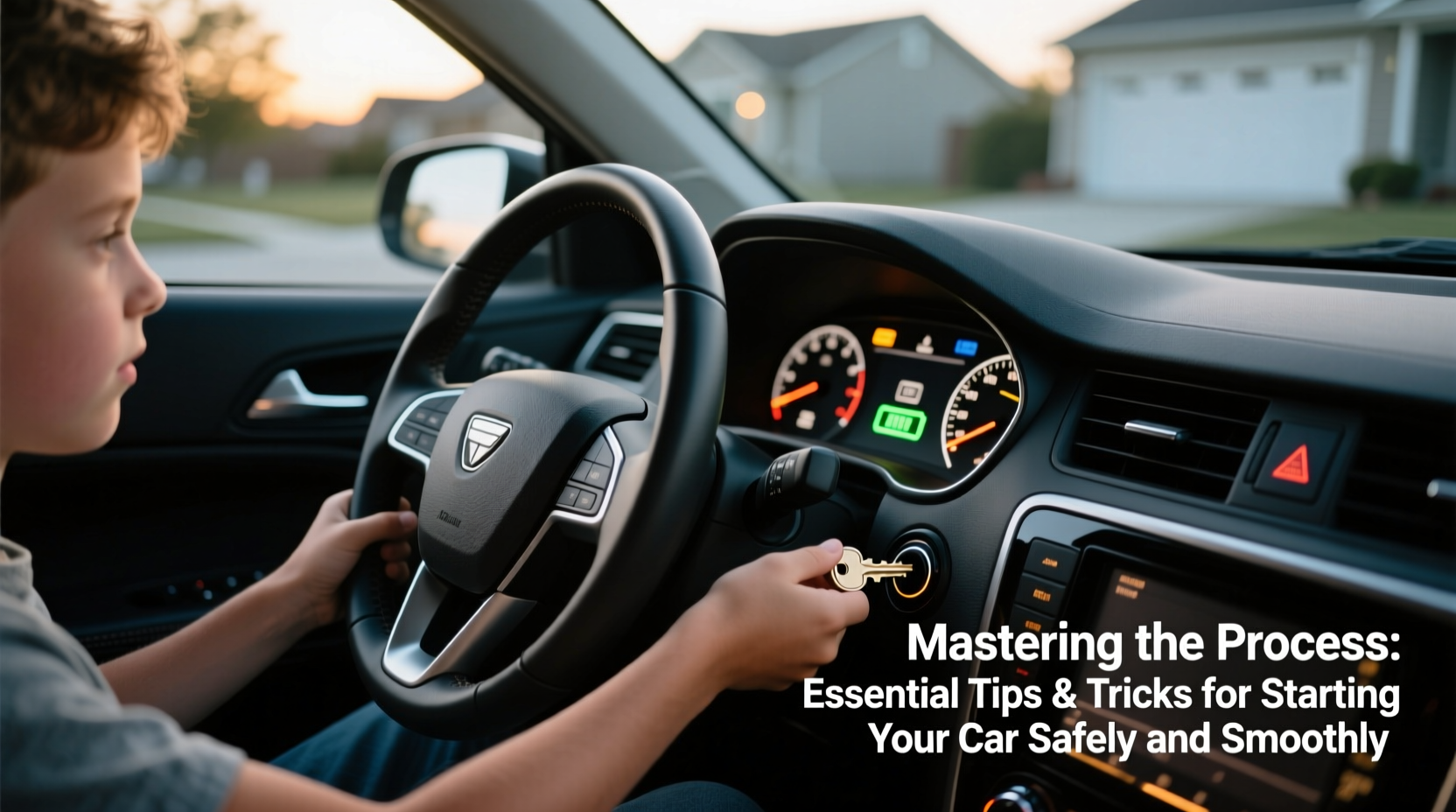
Before turning the key, it's important to understand what happens under the hood. When you initiate the start sequence, the battery sends power to the starter motor, which engages the engine’s flywheel. This begins the combustion cycle. In fuel-injected vehicles, sensors signal the fuel pump and injectors to deliver the precise air-fuel mixture needed for ignition. Modern cars often include safety interlocks—such as gear position sensors and brake pedal requirements—that prevent accidental starts.
Knowing your vehicle type is crucial:
- Manual transmission: Requires clutch engagement before starting to prevent unintended movement.
- Automatic transmission: Must be in “Park” or “Neutral” to start; most require the brake pedal to be depressed.
- Push-to-start systems: Rely on a smart key fob presence and brake activation.
Familiarity with these systems prevents frustration and enhances safety, especially when driving a borrowed or rental vehicle.
Step-by-Step Guide to Starting Your Car Safely
Follow this universal sequence to start any car efficiently and safely:
- Approach and enter the vehicle securely. Check surroundings for people, pets, or obstacles.
- Sit down and adjust your seat and mirrors. Ensure full visibility and comfortable reach of pedals and steering wheel.
- Insert the key or place the fob inside the vehicle. For push-start cars, make sure the fob is within range.
- Verify the gear selector is in “Park” (automatic) or “Neutral” (manual). Manual drivers should depress the clutch fully.
- Press the brake pedal firmly. This is required in nearly all modern vehicles to activate the starter circuit.
- Turn the key to “Start” or press the start button. Hold for no more than 3–5 seconds. If the engine doesn’t catch, wait 10 seconds before retrying.
- Release the key/button once the engine runs. Prolonged cranking can overheat the starter motor.
- Allow the engine to idle for 5–10 seconds. This lets oil circulate, especially in cold weather.
This method reduces wear on critical components and prepares the vehicle for safe departure.
Common Mistakes That Damage Your Car
Many drivers unknowingly harm their vehicles through improper starting habits. These errors accumulate over time and can lead to costly repairs.
| Mistake | Consequence | Prevention |
|---|---|---|
| Starting while in gear | Vehicle lurches forward; potential collision | Always confirm gear position before ignition |
| Repeated rapid cranking | Overheated starter motor or drained battery | Wait 10–15 seconds between attempts |
| Using throttle during start | Floods engine (especially carbureted models) | Keep foot off gas pedal unless engine is flooded |
| Leaving accessories on before starting | Increased load on battery during startup | Turn off lights, radio, and A/C before ignition |
Real Example: The Case of the Overworked Starter
John, a delivery driver, routinely started his van by jamming the key and holding it until the engine caught—often for 7–10 seconds at a time. After six months, the starter burned out, requiring a $450 replacement. His mechanic explained that each extra second of cranking wears down the starter brushes and solenoid. After learning proper technique—short bursts and waiting between attempts—John extended the life of his next starter by over two years.
“Most starter failures aren’t due to age—they’re caused by misuse. A five-second rule with cooling intervals can double a starter’s lifespan.” — Marcus Tran, Automotive Technician with 18 years of experience
Weather-Specific Tips for Smooth Starts
Environmental conditions significantly affect starting performance. Adjust your approach based on climate.
Cold Weather
In freezing temperatures, engine oil thickens and battery efficiency drops. To improve cold starts:
- Use winter-grade oil (e.g., 5W-30 instead of 10W-30).
- Keep the battery charged; consider a trickle charger in extreme cold.
- Block the radiator with a cardboard sheet to retain engine heat overnight.
- Turn off all electrical loads before starting.
Hot Weather
Excessive heat can cause vapor lock in older fuel systems or battery fluid evaporation.
- Park in shade or use a windshield reflector.
- Ensure coolant levels are adequate to prevent overheating after start.
- Avoid topping off the fuel tank—leave room for expansion.
Essential Pre-Start Checklist
Before every drive, run through this quick checklist to ensure safety and reliability:
- ✅ Doors are closed and locked
- ✅ Seatbelts fastened
- ✅ Gear is in Park (automatic) or Neutral (manual)
- ✅ Brake pedal is pressed
- ✅ Mirrors and seat adjusted
- ✅ No warning lights illuminated (oil, battery, check engine)
- ✅ Windows and mirrors clear of ice, fog, or obstructions
- ✅ Keys or fob present and functional
This routine takes less than a minute but drastically reduces the risk of accidents or mechanical strain.
Frequently Asked Questions
How long should I let my car warm up before driving?
Modern vehicles only need about 30 seconds of idling in normal conditions. The best way to warm up the engine is by driving gently for the first few minutes. Excessive idling wastes fuel and increases emissions.
Why won’t my car start even though the lights turn on?
This usually indicates a weak battery that can power electronics but lacks the amperage to turn the starter. It could also be a faulty starter motor, bad ignition switch, or security system lockout. Try jump-starting or checking the fob battery if it’s a push-start vehicle.
Is it bad to start the car and drive immediately?
Not necessarily. While older engines benefited from longer warm-ups, today’s fuel-injected engines are designed to handle gentle driving shortly after startup. Avoid high RPMs until the temperature gauge rises slightly.
Final Thoughts: Mastery Begins With Routine
Mastering the process of starting your car safely and smoothly isn’t about complexity—it’s about consistency. Small habits, like checking gear position, pressing the brake, and avoiding prolonged cranking, compound into major benefits: reduced maintenance costs, improved safety, and a longer vehicle lifespan. These actions become second nature with practice, transforming an everyday task into a moment of control and confidence.
Your car responds best to calm, deliberate inputs. Treat the ignition process with respect, and it will reward you with reliable performance for years to come.




 浙公网安备
33010002000092号
浙公网安备
33010002000092号 浙B2-20120091-4
Comments
No comments yet. Why don't you start the discussion?