
Puffer fish, known as fugu in Japan, is one of the most notorious dishes in the culinary world—not because of its flavor alone, but because of the razor-thin line between exquisite dining and fatal poisoning. With toxins up to 1,200 times more potent than cyanide, improper handling can lead to paralysis, respiratory failure, and death within hours. Yet, when prepared correctly, fugu offers a delicate, clean taste and a texture that connoisseurs describe as transcendent. For adventurous food lovers, mastering the safe consumption of puffer fish isn’t just about thrill-seeking—it’s about respecting tradition, understanding risk, and knowing where to place your trust.
The Hidden Danger: Tetrodotoxin and Its Effects
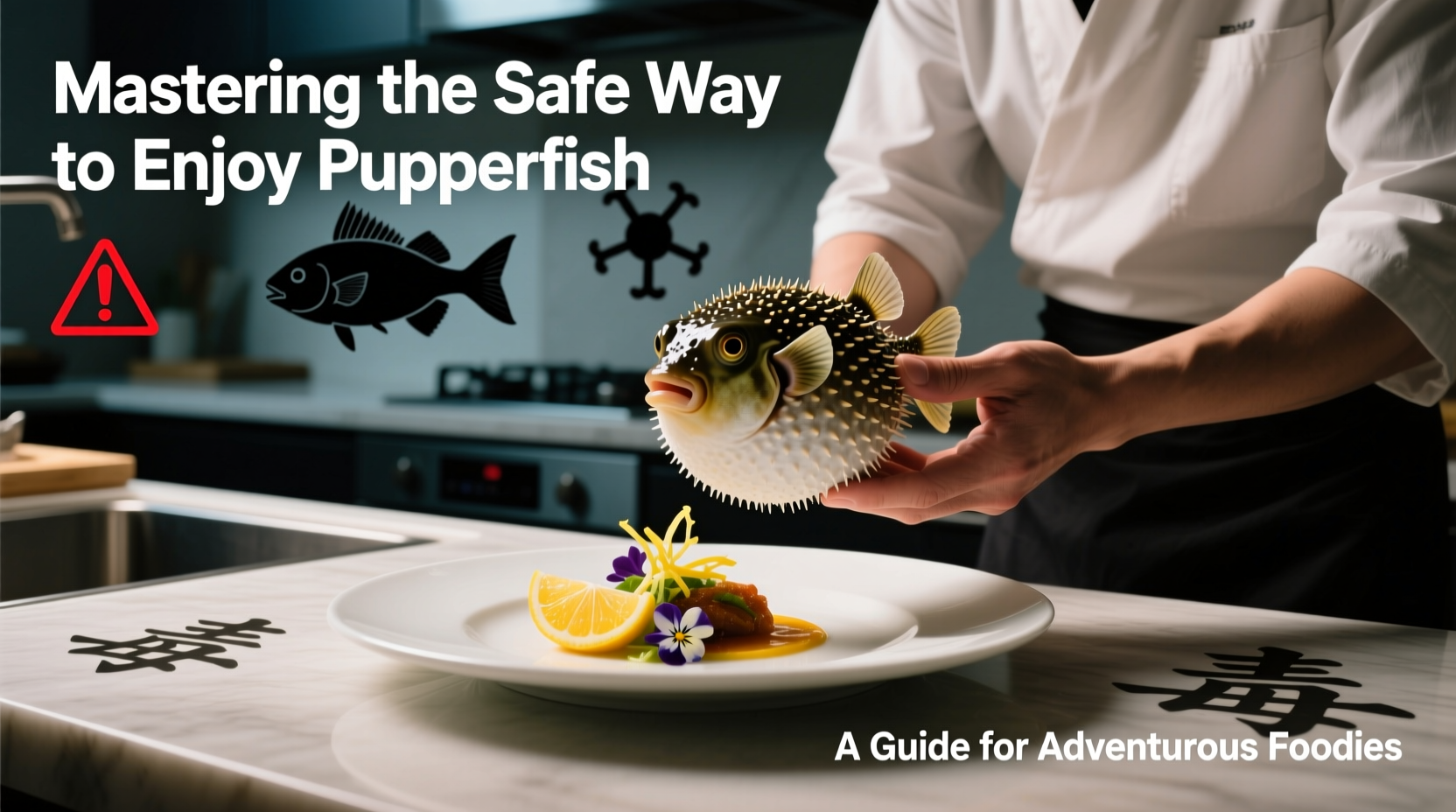
The primary threat in puffer fish comes from tetrodotoxin (TTX), a neurotoxin concentrated in the liver, ovaries, eyes, and skin. Unlike bacteria or parasites, TTX cannot be destroyed by cooking, freezing, or drying. It blocks sodium channels in nerve cells, halting signal transmission. Symptoms of poisoning begin within 20 minutes to 3 hours and include numbness, dizziness, vomiting, difficulty speaking, and muscle paralysis. In severe cases, victims remain fully conscious while unable to breathe, leading to suffocation without immediate medical intervention.
Fascinatingly, the fish itself does not produce the toxin. TTX accumulates through the puffer fish’s diet—mainly bacteria-laden shellfish and algae. Farmed fugu raised on controlled diets are now available with significantly reduced toxicity, offering a safer alternative to wild-caught specimens.
Licensing and Regulation: The Gatekeepers of Safety
In Japan, where fugu has been consumed for centuries, the government enforces strict licensing protocols. Aspiring fugu chefs undergo two to three years of apprenticeship followed by a rigorous examination that includes both written testing and practical dissection. Only about 35% pass on their first attempt. The exam culminates in a life-or-death test: after preparing the fish, the chef must eat their own dish. While this ritual is symbolic today, it underscores the gravity of the responsibility.
Outside Japan, regulations vary widely. In the United States, the FDA permits fugu importation only under special license, and few restaurants serve it legally. The European Union bans the sale of puffer fish altogether, except in research or aquarium settings. Canada allows limited sales under provincial health authority oversight. Travelers seeking authentic fugu should verify local laws and prioritize establishments with verifiable credentials.
“Preparing fugu isn’t just a skill—it’s a moral duty. One slip with the knife isn’t a mistake; it’s a potential tragedy.” — Chef Kenji Sato, Licensed Fugu Preparer, Osaka
Step-by-Step Guide to a Safe Fugu Experience
For those determined to try puffer fish, following a disciplined approach minimizes risk and maximizes enjoyment. This sequence outlines how to proceed with confidence:
- Research Licensed Establishments: Use official directories or tourism boards to identify certified fugu restaurants. In Japan, look for the yellow-and-black fugu logo displayed outside licensed venues.
- Verify the Chef’s Credentials: Ask to see the chef’s license. Reputable restaurants often display these prominently.
- Choose Farm-Raised Fugu: Opt for farmed varieties like Takifugu rubripes, which are raised on toxin-free diets and carry near-zero risk when properly handled.
- Start with Low-Risk Preparations: Begin with sashimi-style thin slices (fugu sashi) or hot pot (fugu chiri), where the chef controls all preparation.
- Observe the Preparation Process: If possible, dine at a counter seat to watch the chef work. Transparency is a sign of professionalism.
- Avoid High-Risk Organs: Do not consume liver, ovaries, or eyes—even in countries where they’re occasionally served. These parts are banned in Japan due to extreme toxicity.
- Wait and Monitor: After eating, stay nearby for at least two hours. Early symptoms require urgent antitoxin treatment and respiratory support.
Do’s and Don’ts When Dining on Puffer Fish
| Do’s | Don’ts |
|---|---|
| Do eat at licensed, reputable restaurants with trained fugu chefs. | Don’t attempt home preparation, even with pre-cleaned fish. |
| Do choose farm-raised fugu when available. | Don’t consume organs like liver or ovaries, regardless of local customs. |
| Do ask questions about sourcing and preparation methods. | Don’t drink alcohol immediately after eating fugu—it may mask early symptoms. |
| Do take photos of the dish and chef’s license for personal records. | Don’t pressure servers or chefs to serve restricted parts. |
Real Example: A Near-Miss in Shimonoseki
In 2018, a group of foreign tourists in Shimonoseki, a city famed for its fugu cuisine, visited a family-run restaurant not listed in official guides. Eager to experience “authentic” fugu, they requested liver—a delicacy banned in commercial kitchens. The owner, a retired chef no longer licensed, obliged. Within 45 minutes, two diners developed slurred speech and tingling lips. Emergency services arrived quickly, administering oxygen and monitoring vital signs. No fatalities occurred, but one guest required mechanical ventilation for 12 hours. The incident led to renewed enforcement of licensing laws and warnings issued by Japan’s Ministry of Health. This case illustrates how tradition, when divorced from regulation, becomes dangerous.
How to Identify a Trustworthy Fugu Restaurant
Beyond licensing, several indicators suggest a restaurant takes safety seriously:
- The menu clearly lists which species of puffer fish are used.
- Preparation occurs in a dedicated, sterile workspace visible to guests.
- Staff can explain the origin of the fish and whether it’s wild or farmed.
- They refuse requests for prohibited parts without hesitation.
- Online reviews consistently mention safety, transparency, and professionalism.
FAQ: Common Questions About Eating Puffer Fish
Is farmed fugu completely safe?
Farmed fugu raised on controlled, toxin-free diets is considered extremely low-risk. However, only licensed professionals should handle even farmed fish, as cross-contamination or misidentification can still pose dangers.
Can I buy fugu online or in specialty markets?
In most countries, selling whole puffer fish to consumers is illegal. Even where permitted, untrained individuals should never attempt preparation. Pre-cut, frozen fugu sashimi exists but requires proof of licensing for purchase in regulated regions.
What does fugu taste like?
Fugu has a mild, clean flavor with a subtle sweetness, often compared to high-quality flounder or sea bass. Its appeal lies more in texture—crisp yet tender—than bold taste. The experience is heightened by the psychological thrill of consuming a potentially lethal dish.
Conclusion: Embrace Adventure with Responsibility
Eating puffer fish is not merely a meal—it’s a cultural encounter steeped in history, precision, and respect for nature’s extremes. The allure lies not in defying death, but in trusting a system refined over generations to deliver safety alongside sensation. By choosing licensed chefs, favoring farmed sources, and honoring the boundaries of regulation, adventurous foodies can enjoy fugu without gambling their lives. Knowledge, vigilance, and humility are the true ingredients of a successful fugu experience.




 浙公网安备
33010002000092号
浙公网安备
33010002000092号 浙B2-20120091-4
Comments
No comments yet. Why don't you start the discussion?