
A well-executed updo is more than just a hairstyle—it’s a statement of elegance, practicality, and self-assurance. Among the simplest yet most effective tools for achieving this look is the humble hair claw clip. Once relegated to 90s nostalgia, claw clips have made a powerful comeback, favored by stylists and everyday wearers alike for their strength, versatility, and aesthetic appeal. But mastering a secure, long-lasting updo with a claw clip requires more than just snapping it into place. It demands technique, preparation, and an understanding of your hair type and texture.
This guide walks you through every phase of creating a reliable, polished updo using a claw clip. From selecting the right clip to troubleshooting slippage, you’ll gain the knowledge to style your hair with confidence—whether you’re heading to work, a wedding, or a casual weekend outing.
Selecting the Right Claw Clip
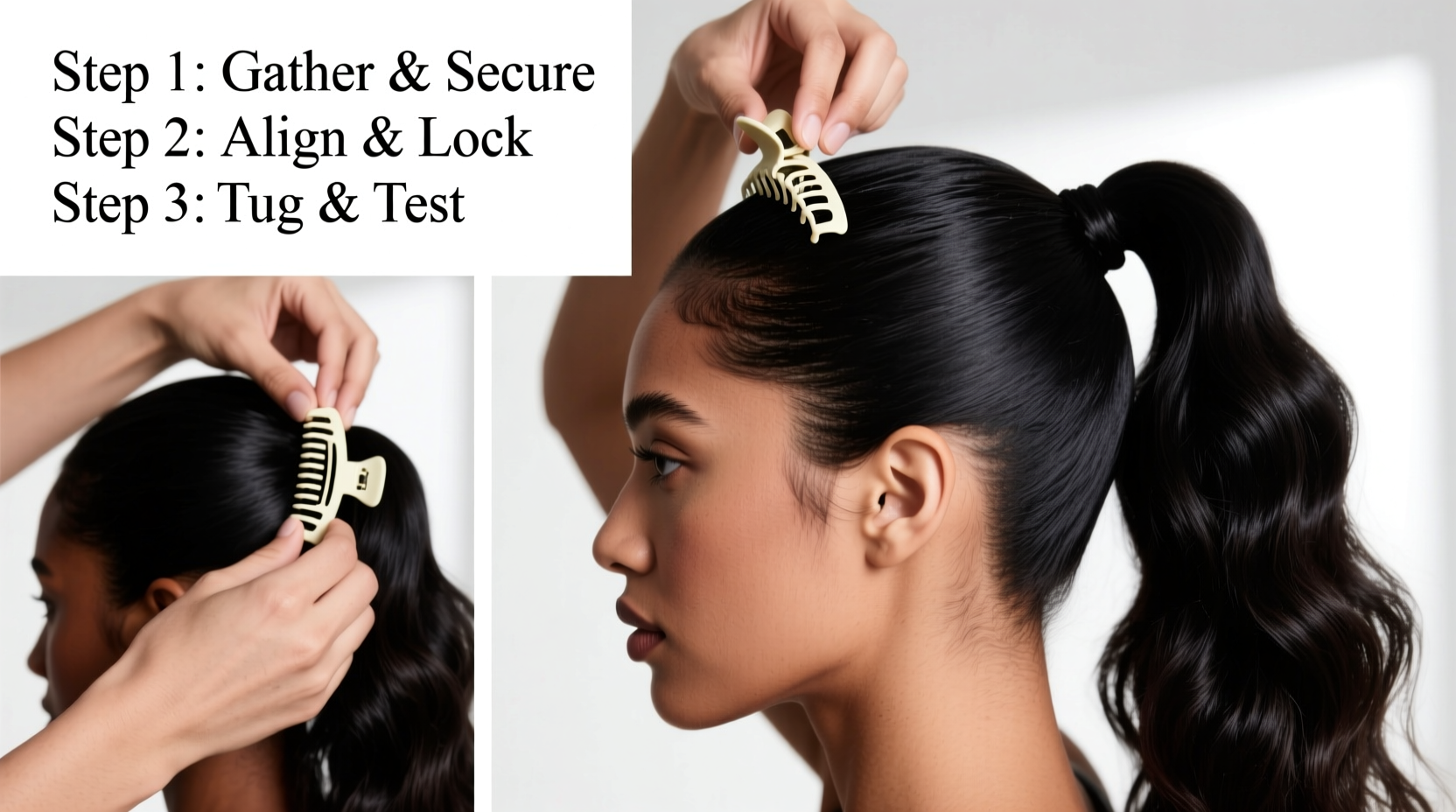
Not all claw clips are created equal. The wrong size or material can lead to breakage, discomfort, or a style that collapses within minutes. Choosing the correct clip depends on three key factors: hair thickness, hair length, and desired hold.
| Hair Type | Recommended Clip Size | Best Material |
|---|---|---|
| Fine, short hair | Small (1.5–2 inches) | Acetate or lightweight plastic |
| Medium thickness, shoulder-length | Medium (2–2.5 inches) | Reinforced acetate or nylon |
| Thick, long, or curly hair | Large (2.5–3+ inches) | Metal-reinforced or double-pronged tortoiseshell |
Clips with inner ridges or silicone lining provide better grip, especially for slippery or fine hair. Avoid flimsy plastic clips—they may look stylish but lack the tension needed for lasting hold.
Preparing Your Hair for Success
The foundation of any secure updo begins before the clip even touches your hair. Clean, freshly washed hair often lacks grip, while overly greasy hair can make clips slide out. The ideal condition? Second-day hair with natural oils and subtle texture.
If you’ve just washed your hair, add volume and friction with one of these methods:
- Lightly backcomb at the crown or nape for lift and grip.
- Spray a texturizing mist or dry shampoo at the roots.
- Braid hair loosely overnight to create natural waves and body.
For curly or coily textures, consider defining curls with a light gel or mousse before gathering them into a twist or coil. This prevents frizz and ensures cohesion when clipped.
“Prep is everything. A few seconds of texturizing can extend your updo’s lifespan from two hours to all day.” — Jasmine Reed, Celebrity Hairstylist
Step-by-Step Guide to a Secure Updo with a Claw Clip
Follow this detailed process to achieve a stable, elegant updo suitable for most hair lengths and types. Practice in front of a mirror until the motion becomes intuitive.
- Gather your hair: Use your fingers (not a brush) to collect your hair into a low, mid, or high ponytail, depending on your preferred style. Keep it loose—tight pulling creates tension and increases the risk of headaches or breakage.
- Twist gently: Twist the ponytail once or twice to begin forming a bun. Do not wrap tightly around the base; instead, let the hair coil naturally into a soft nest.
- Position the clip: Hold the claw open with one hand. Place it horizontally beneath the twisted section, ensuring both prongs will catch equal amounts of hair.
- Secure with pressure: Press the twisted hair down into the open clip, then release the handles. The clip should close firmly, gripping hair from both sides.
- Adjust and tuck: Gently pull on small sections around the perimeter to loosen slightly for a softer look. Tuck any stray ends underneath the secured mass.
- Lock in place: For extra security, insert a bobby pin vertically through the base of the clip and into the twisted hair beneath.
For thick or heavy hair, try flipping the twist direction—clockwise versus counterclockwise—to find which orientation holds better with your clip’s hinge mechanism.
Avoiding Common Mistakes
Even experienced users fall into traps that compromise hold and comfort. These missteps are easy to fix once identified.
- Overfilling the clip: Limit the hair gathered to what the clip can comfortably hold. If hair bulges out the sides, redistribute some to hang loose or use a second clip.
- Using a worn-out clip: Hinges lose tension over time. Replace clips that no longer snap closed securely.
- Ignoring hair weight distribution: Heavy layers at the bottom can cause the updo to sag forward. Distribute weight evenly by twisting upward rather than outward.
- Skipping grip aids: On silky or fine hair, a light mist of hairspray or texturizing spray before clipping dramatically improves longevity.
Real-World Example: Sarah’s Workday Transformation
Sarah, a project manager with waist-length, fine-straight hair, used to avoid updos because her clips would slip out by noon. She switched to a medium-sized, ridge-lined acetate clip and began applying dry shampoo at the roots before styling. By following the twist-and-tuck method and adding a single bobby pin for reinforcement, her updo now lasts from morning meetings to evening errands. “I finally feel put together without spending time on complicated styles,” she says. “The claw clip has become my daily go-to.”
Pro Checklist for a Flawless Claw Clip Updo
Use this checklist each time you style to ensure consistency and reliability:
- ☑ Choose the right clip size and material for your hair type
- ☑ Prep hair with texture-enhancing product if needed
- ☑ Gather hair loosely, avoiding excessive tension
- ☑ Twist gently and position the clip horizontally beneath the coil
- ☑ Close the clip firmly, ensuring even grip on both sides
- ☑ Adjust for shape and conceal ends
- ☑ Reinforce with a bobby pin for all-day wear
- ☑ Check stability by gently shaking your head
Frequently Asked Questions
Can I sleep with a claw clip in my hair?
It’s not recommended. While claw clips are gentler than elastic bands, leaving them in overnight can create pressure points and lead to creasing or breakage. If you must secure hair while sleeping, opt for a silk scrunchie or loose braid.
Why does my claw clip keep falling out?
This usually results from using the wrong size, overloading the clip, or insufficient grip. Try a smaller section of hair, a textured clip, or prepping with dry shampoo. Also, inspect the hinge—worn clips lose holding power.
Are metal claw clips better than plastic?
Metal clips offer stronger hold but can be heavier and more damaging if they snag. High-quality reinforced acetate or nylon clips often strike the best balance between durability, grip, and hair safety.
Final Thoughts: Style with Confidence
Mastering the claw clip updo isn’t about perfection—it’s about consistency, the right tools, and understanding your hair’s unique behavior. With practice, what once felt like a gamble becomes a dependable part of your routine. Whether you're rushing out the door or dressing for a special occasion, a secure updo gives you freedom, comfort, and undeniable polish.




 浙公网安备
33010002000092号
浙公网安备
33010002000092号 浙B2-20120091-4
Comments
No comments yet. Why don't you start the discussion?