
A great rock band doesn’t just play music—they command attention, ignite emotion, and create moments that live on in memory. The difference between a good gig and an unforgettable one often lies not in technical perfection, but in how you own the stage. Whether you're playing your first club date or headlining a festival, mastering stagecraft is what transforms performers into icons. It’s about presence, energy, timing, and emotional connection. This guide breaks down the core principles of delivering a powerful rock performance that leaves audiences breathless.
Command the Stage with Presence
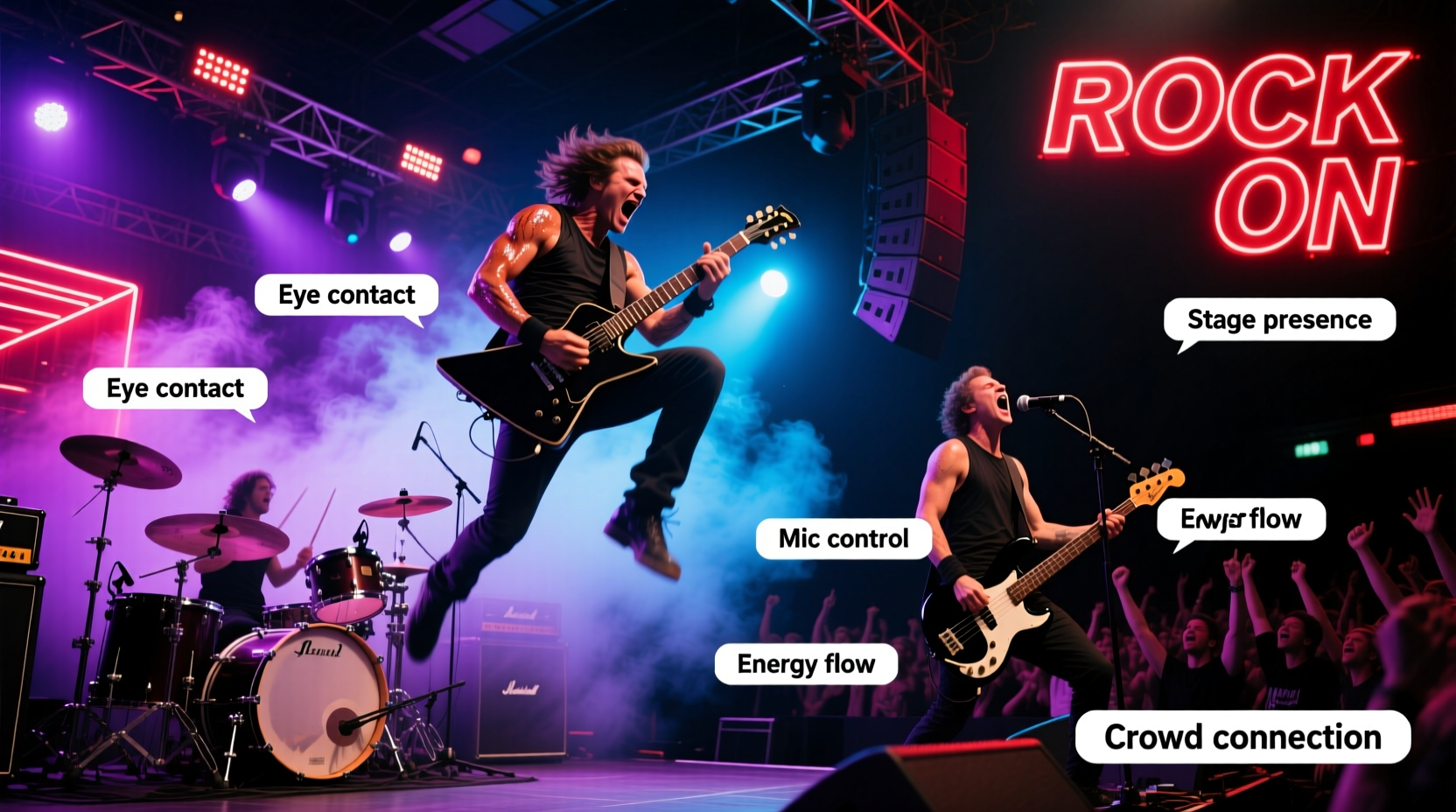
Stage presence isn’t something you’re born with—it’s cultivated through awareness, practice, and intention. It starts the moment you step into the spotlight. Audiences respond to confidence, even if it’s faked at first. Walk onto the stage like you belong there, because you do. Keep your head up, shoulders back, and movements deliberate. Avoid hunching over your instrument or turning away from the crowd.
Use the entire stage. Don’t camp in one spot unless the moment calls for intimacy. Move with purpose: step forward during solos, retreat slightly during softer verses, and use group formations to create visual dynamics. Watch footage of legends like Freddie Mercury or Mick Jagger—their ability to command space made them magnetic.
Energy and Movement: Perform, Don’t Just Play
Rock music thrives on raw energy. Even the most technically flawless performance falls flat without physical engagement. Your body should reflect the intensity of the music. Nod your head, shift your weight, and let your limbs move naturally—but avoid overacting or choreographed motions that feel forced.
For guitarists, consider your stance: feet shoulder-width apart, guitar slung low for maximum swagger (if appropriate for your style). Drummers can punctuate fills with slight leans or head turns. Vocalists should use hand gestures and facial expressions to amplify lyrics. A well-timed jump, crouch, or point can electrify a moment.
But balance is key. Too much movement distracts; too little feels lifeless. Rehearse with motion in mind. Record yourself performing and watch for stiffness or awkwardness. Adjust until your physicality feels like a natural extension of the music.
“People don’t remember every note you played. They remember how you made them feel.” — Dave Grohl, Foo Fighters
Connect With Your Audience
The best rock shows are conversations, not monologues. Look people in the eye. Smile. Nod. Point. Invite singalongs. Acknowledge different sections of the room. When you shout “How we doing tonight?” mean it. Even a simple “Thank you” between songs builds rapport.
Tailor your banter. If you’re playing a dive bar, keep it raw and personal. At a festival, go bigger—project enthusiasm. Share brief stories behind songs when it feels natural. But avoid long rants or inside jokes that alienate listeners.
Read the crowd. Are they dancing? Singing along? Standing still? Adjust your energy accordingly. If they’re holding back, turn up the volume and charisma. If they’re already wild, ride the wave and push harder.
Checklist: Building Audience Connection
- Maintain eye contact across the venue
- Encourage clapping or singing during choruses
- Speak clearly and authentically between songs
- Respond to crowd reactions in real time
- End with gratitude—thank the audience, crew, and venue
Rehearsal Habits That Translate to Stage Success
What happens offstage determines what happens onstage. Professional-level performances are built on disciplined rehearsals. Go beyond playing the songs correctly—rehearse the show.
Run full sets with stage transitions, costume changes, and mic checks. Simulate lighting cues. Practice starting and stopping songs cleanly. Work on synchronized movements if your band uses them. Most importantly, rehearse recovery: what happens when a string breaks, a monitor fails, or someone misses a cue?
Record your rehearsals. Watch playback to assess pacing, visual flow, and cohesion. Are there lulls? Do entrances feel abrupt? Is the set order dynamic enough? Use this feedback to refine both performance and structure.
Step-by-Step: Preparing for Show Night
- 6 Weeks Out: Finalize setlist and transitions
- 4 Weeks Out: Begin full run-throughs with stage movement
- 2 Weeks Out: Add lighting/sound cues; invite test audience
- 1 Week Out: Dry tech run with all equipment
- Show Day: Soundcheck early, warm up vocally/physically, mentally prepare
Common Pitfalls and How to Avoid Them
Even seasoned performers make mistakes. Recognizing these traps can save your show:
| Pitfall | Why It Hurts | Solution |
|---|---|---|
| Ignoring stage monitors | Leads to timing issues and vocal strain | Test monitors during soundcheck; request adjustments |
| Overloading the setlist | Crowds lose energy during long sets | Keep it tight—45 to 90 minutes max, depending on slot |
| Poor mic technique | Vocals get lost or distorted | Hold mic close, angle slightly off-axis to reduce plosives |
| Starting too loud or fast | Burns out band and audience early | Open strong but sustainable; build momentum |
| Forgetting hydration | Dry throat affects vocals and stamina | Keep water backstage; avoid dairy and caffeine pre-show |
Real Example: From Nervous Openers to Headliners
The band *Riot Theory* started playing small bars in Detroit with shaky confidence. Their music was solid, but their stage presence was stiff—guitarist glued to one spot, singer avoiding eye contact. After two members attended a live performance workshop, they revamped their approach.
They began rehearsing movement, assigned “audience zones” each member would engage, and recorded every practice. Within six months, their shows transformed. They opened for a national act and received praise for their energy and crowd interaction. One reviewer wrote, “They didn’t just play songs—they took control of the room.” Today, they regularly sell out mid-sized venues, crediting their growth to intentional stagecraft development.
Frequently Asked Questions
How do I overcome stage fright?
Start small. Play low-pressure gigs to build comfort. Focus on your breathing and warm up thoroughly. Remember: the audience wants you to succeed. Visualize a successful performance before going on. Over time, repetition reduces anxiety.
Should I choreograph my movements?
Only if it feels authentic. Rock thrives on spontaneity. Instead of rigid choreography, develop signature moves—like a guitarist’s head toss or a drummer’s stick flip—and use them naturally. Over-choreography can make you look robotic.
What if something goes wrong during the show?
Stay calm. If a string breaks, keep rhythm with your foot, smile, and swap instruments quickly. If you forget lyrics, hum the melody or engage the crowd with a call-and-response. The key is to maintain energy and composure. Most mistakes go unnoticed if you don’t draw attention to them.
Final Notes: Make Every Show Matter
An unforgettable rock performance isn’t about perfection—it’s about passion, presence, and connection. It’s the roar of a crowd singing your chorus back at you. It’s the sweat on the floor, the broken string replaced mid-set, the moment you lock eyes with a fan who’s hearing your song for the first time.
Mastering the stage takes time, but every element—movement, voice, expression, preparation—is within your control. Treat each show as a chance to grow, to give energy, and to leave a mark. The stage isn’t just a platform. It’s a pact between artist and audience. Honor it with everything you’ve got.




 浙公网安备
33010002000092号
浙公网安备
33010002000092号 浙B2-20120091-4
Comments
No comments yet. Why don't you start the discussion?