
The waffle stitch is one of the most satisfying textures in crochet. Its raised, grid-like pattern mimics the surface of a freshly toasted waffle—hence the name—and adds depth, warmth, and visual interest to blankets, scarves, and home decor. While it may look complex, the waffle stitch relies on a simple repeat of front post double crochets (FPDC) and back post double crochets (BPDC), making it accessible even for those still building confidence with basic stitches.
What sets the waffle stitch apart is its three-dimensional texture. Unlike flat patterns such as single or double crochet, this stitch creates a fabric that’s both stretchy and structured. It's ideal for winter wearables because the pockets of air trapped within the ridges provide natural insulation. With patience and practice, any beginner can master this stitch and incorporate it into their growing repertoire.
Understanding the Waffle Stitch Structure
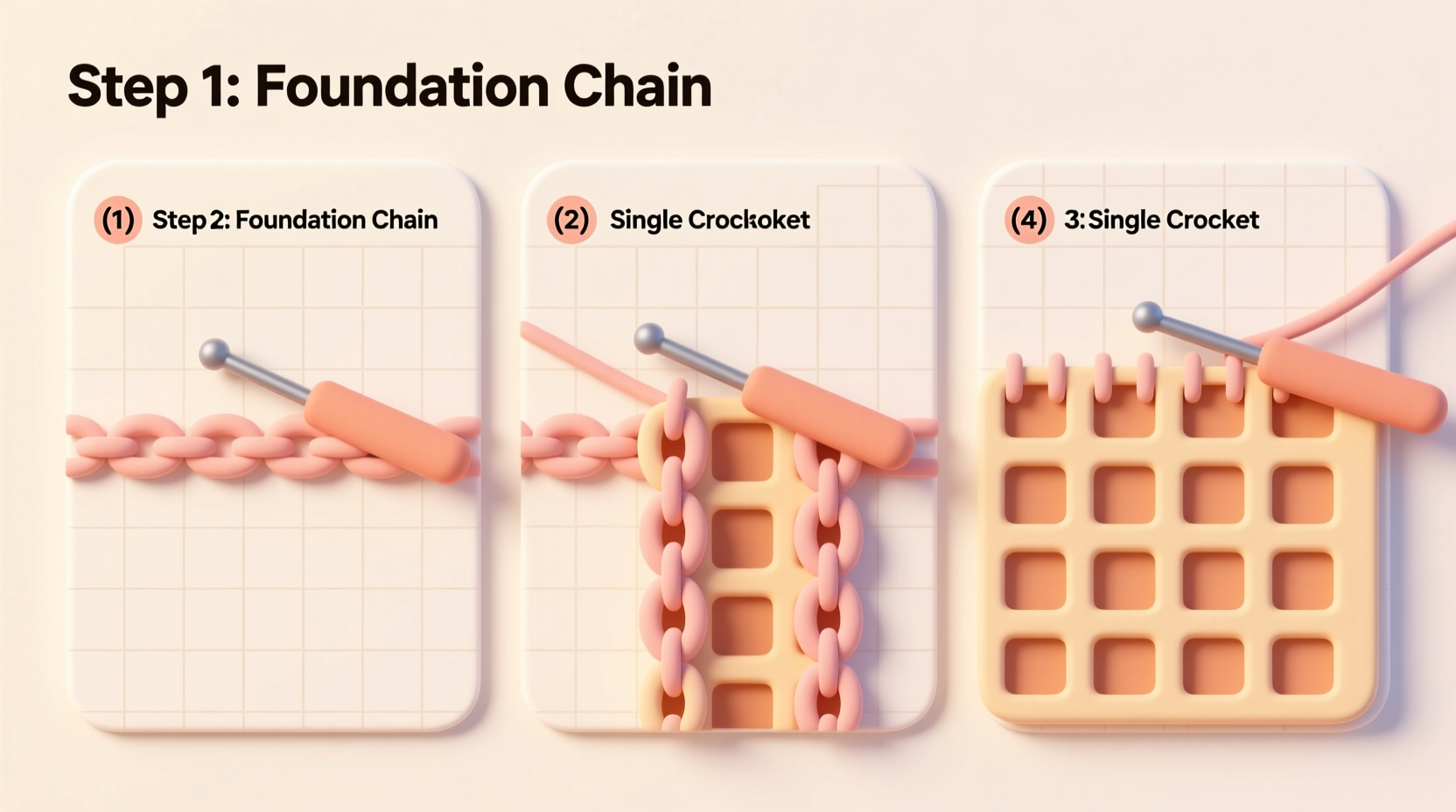
The waffle stitch alternates between rows of post stitches worked around the posts of previous rows. Instead of inserting the hook into the top loops of a stitch, you wrap it around the entire vertical “post,” creating a bump that stands out from the fabric. This technique is known as post stitching and is fundamental to textured crochet patterns like cables, ribbing, and basketweave.
In the classic waffle stitch, you alternate FPDC and BPDC across the row. The FPDC wraps forward around the post, pushing it to the back, while the BPDC wraps backward, bringing the post to the front. When repeated over several rows, these alternating columns form a checkerboard effect—soft peaks and valleys that define the waffle texture.
Because the stitch pulls the fabric inward, it naturally contracts width-wise. This means your finished piece will be narrower than a standard double crochet project using the same number of foundation chains. Keep this in mind when planning your gauge and measurements.
Essential Tools and Materials
Before starting, gather the right tools. The waffle stitch works best with medium-weight yarn and an ergonomic hook, especially since post stitches require more hand strength and control.
| Item | Recommended Choice | Why It Matters |
|---|---|---|
| Yarn | Worsted weight (Category 4) | Provides clear stitch definition and good texture contrast |
| Hooks | 5.5 mm (I-9) or size recommended on yarn label | Larger hooks help prevent stiffness in dense post-stitch fabric |
| Notions | Stitch markers, scissors, tapestry needle | Mark pattern repeats and weave in ends neatly |
| Swatch Size | 6” x 6” (15 cm x 15 cm) | Ensure accurate gauge before beginning a full project |
Cotton or acrylic blends work well. Avoid slippery silk or fuzzy mohair at first, as they make it difficult to see where to place post stitches. A solid color or lightly variegated yarn shows off the texture best.
Step-by-Step Guide to Crocheting the Waffle Stitch
This version uses a multiple-of-4-plus-3 chain base. For example, chain 15 (4×3 + 3) for a small swatch.
- Foundation Row: Chain a multiple of 4 plus 3. For example, ch 15. Double crochet (dc) in the fourth chain from the hook (counts as first dc and ch-2 space). *Skip next 2 chains, dc in next chain, ch 2*; repeat from * to last 2 chains, skip 1, dc in last chain. Turn.
- Row 1: Ch 3 (counts as dc), FPDC around the first dc below. *BPDC around the next dc, FPDC around the next dc*; repeat across, ending with a dc in the top of the turning chain. Turn.
- Row 2: Ch 1, sc in the first dc. *Ch 2, skip next 2 sts, sc in next dc*; repeat across, ending with a sc in the top of the ch-3. Turn.
- Row 3: Ch 3 (counts as dc), FPDC around the FPDC from two rows below. *BPDC around the next BPDC, FPDC around the next FPDC*; repeat across, ending with a dc in the top of the ch-3. Turn.
- Repeat Rows 2 and 3 until your piece reaches the desired length.
The key is recognizing which stitches to work into. On odd-numbered pattern rows (Rows 1, 3, etc.), you're working FPDC and BPDC into the corresponding post stitches from two rows prior—the ones directly beneath the chain spaces. These are the structural anchors of the waffle.
Common Mistakes and How to Fix Them
- Miscounting chains: Always test your foundation chain with a quick count. If your stitch pattern doesn’t align by the end of the row, you likely started with the wrong multiple.
- Working into chain spaces instead of posts: The temptation is strong, but only the post stitches create texture. Ignore the ch-2 gaps visually—they’re placeholders.
- Tension issues: Post stitches tighten the fabric. If your edges curl or the work feels stiff, go up a hook size.
- Forgetting the turning chain: The ch-3 at the start of a row counts as a dc. Don’t add another dc in the same stitch unless the pattern specifies.
“Texture stitches like the waffle require mindfulness, not speed. Focus on muscle memory—after five rows, your hands will begin to remember the rhythm.” — Lena Patel, Professional Crochet Instructor and Designer
Mini Case Study: Sarah’s First Waffle Blanket
Sarah, a self-taught crocheter with six months of experience, decided to make a baby blanket using the waffle stitch. She chose a soft oatmeal-colored acrylic worsted yarn and a 5.5 mm Clover Amour hook. Her initial swatch curled dramatically, and she almost gave up, thinking she’d done something wrong.
After watching a slow-motion tutorial and switching to a 6.0 mm hook, her second attempt lay flat and showed beautiful definition. She marked every fourth stitch with locking stitch markers to keep track of the pattern repeat. By Row 6, she could identify FPDC and BPDC by touch alone. Her finished 30” x 30” blanket took four weeks, but became a cherished gift—and her confidence soared.
Sarah’s story illustrates how small adjustments and consistent practice turn frustration into mastery.
Checklist: Mastering the Waffle Stitch
Use this checklist to stay on track as you learn:
- ✅ Choose worsted-weight yarn in a solid color
- ✅ Use a hook one size larger than usual
- ✅ Chain a multiple of 4 plus 3
- ✅ Practice FPDC and BPDC on a swatch first
- ✅ Count stitches every row until pattern feels automatic
- ✅ Place stitch markers at row beginnings and ends
- ✅ Block your finished piece to enhance texture and drape
Frequently Asked Questions
Can I use the waffle stitch for garments?
Absolutely. The stitch works well for cardigans, cowls, and hats due to its elasticity and warmth. Just ensure the garment has enough ease, as the fabric contracts width-wise.
Is the waffle stitch reversible?
Not perfectly. One side displays prominent squares (the \"right\" side), while the reverse shows flatter ridges. If both sides need to look finished, consider placing the waffle panel between layers or using it in items where only one side is visible.
How do I block a waffle stitch project?
Wet blocking works best. Soak the item in lukewarm water with gentle wool wash, gently squeeze out water (don’t wring), then lay flat on a towel. Pin it into shape if needed, ensuring corners are square. Let dry completely to set the texture.
Bringing Texture Into Your Craft
The waffle stitch opens the door to a broader world of textured crochet. Once mastered, you’ll find it easier to tackle other post-stitch patterns like the basketweave, cable knit, or honeycomb. Each new texture builds upon the same foundational skills: reading your fabric, maintaining tension, and trusting the process.
More than just a stitch, the waffle pattern represents a shift—from following instructions to understanding structure. That moment when you no longer need to count every post, when your hands move instinctively from FPDC to BPDC, is the true mark of progress.




 浙公网安备
33010002000092号
浙公网安备
33010002000092号 浙B2-20120091-4
Comments
No comments yet. Why don't you start the discussion?